

A Sudden Crash That Shocked the World
On October 19, 1987 a day now known as Black Monday the Dow Jones Industrial Average plummeted more than 22% in a single trading day.
To put that in perspective:
- If you had $100,000 invested heavily in the Dow, you could have lost $22,000 before dinner.
- For a $1 million portfolio, that’s a staggering $220,000 gone with zero warning.
The market’s drop wiped out over $500 billion in value in just hours, marking the largest one-day percentage loss in U.S. stock market history worse than any single day of the Great Depression or the 2008 financial crisis.
Why No One Saw It Coming
Financial advisors were blindsided. Clients called in panic, phones rang off the hook, and many advisors didn’t know what to say. Why? Because while they were trained to sell financial products, they weren’t trained to recognize the warning signs of systemic risk.
Instead of fixing the underlying causes of the crash, the government created the Plunge Protection Team officially the President’s Working Group on Financial Markets. Its main role? Manage public confidence and keep markets from visibly collapsing. In other words, more smoke and mirrors, not systemic reform.
The Cycle Keeps Repeating
Since Black Monday, we’ve seen the same cycle:
- Dot-com bubble
- Housing crash
- Pandemic stimulus blowout
Each crisis brought more intervention, but little real change. Everyday Americans were left to deal with the consequences.
The truth is, each collapse had warning signs patterns that repeat across financial history. If you can spot them, you can prepare.
Common Warning Signs Before a Major Crash
- Too much debt and easy money flooding the system, often through low interest rates.
- Stock market record highs even when the broader economy is weak.
- The phrase “this time is different” pushed by the media, suggesting that prices no longer matter.
That last one is a huge red flag. You’ll hear things like:
- “This company is changing the world, so its stock price doesn’t need to make sense.”
- “The market’s just different now. Don’t worry about valuations.”
When people stop asking if something is worth its price, they’re no longer investing in value they’re chasing hype. This often happens at the peak of a bubble, right before prices crash.
Shifting Focus to Tangible Assets
Let’s talk about something real: gold.
- When the U.S. fixed gold’s price, it was just $20 an ounce.
- Today, spot gold trades above $3,000 an ounce and continues climbing.
Lynette Zang and other analysts estimate gold’s fundamental value at around $40,000 an ounce. This calculation is based on:
- Over $300 trillion in known global debt.
- The finite supply of gold, both above and below ground.
If all global debt were backed by a tangible asset like gold, its price would need to be revalued dramatically higher.
Each country’s revaluation would differ based on its total debt and gold reserves. Nations with high debt and low reserves would need a much higher gold price to restore balance.
Why Gold Matters in a Reset
This isn’t theory it’s math tied to real-world liabilities and limited resources.
If the global financial system resets whether from currency collapse, inflation crisis, or gold-backed revaluation history shows it happens fast and often in moments of crisis.
That’s why:
- Central banks
- Sovereign wealth funds
- The ultra-wealthy
…are quietly accumulating gold. It’s not just about price growth. Gold exposes the truth about how overleveraged and manipulated the financial system really is.
Sound Money Strategies for Real Protection
We can’t predict the exact moment of a reset, but by understanding historical patterns, we can take action ahead of time.
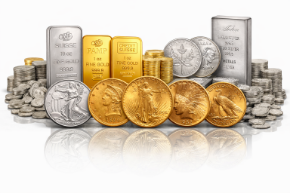
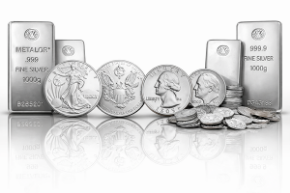
Physical gold and silver have always survived financial upheavals. They are:
- Scarce
- Universally recognized
- Free of counterparty risk
You don’t need a bank, government, or blockchain to prove their worth.
A Century-Old Lesson
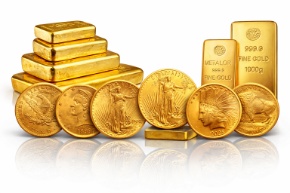
If you held a $20 gold coin from 100 years ago, it could still buy a full cart of groceries today maybe more.
A $20 bill from 100 years ago? It wouldn’t cover lunch.
That’s the difference between real money and paper currency.
Final Call to Action
Markets crash. Currencies lose value. But physical gold and silver remain.
Start building your own protection now with sound money strategies that safeguard your wealth, preserve your purchasing power, and prepare you for the next financial reset.
Zang Enterprises can show you how to start today

