



Our Mantra
The Mantra
A Blueprint for Resilient Living
Our commitment to financial freedom doesn’t end with gold and silver. That’s why we created The Mantra. A holistic guide to thriving in uncertain times, designed to complement your financial strategy with practical tools for lasting resilience, helping you to protect your life, your loved ones, and your legacy. The Mantra focuses on eight essential areas:
Food, Water, Energy, Security, Barterability, Wealth Preservation, Community, and Shelter.
The Mantra guides you through economic, natural, or personal crises to protect your health, wealth, and peace of mind.
Kintsugi and the Mantra
The Zang International logo symbolizes restoration. Broken pieces joined with gold to create something even more beautiful, resilient, and valuable than before. This powerful imagery draws from Kintsugi, the Japanese art of repairing shattered pottery with gold. Rather than concealing imperfections, Kintsugi honors them, revealing strength through transformation.
At Zang International, we believe gold plays a similar role in life. It’s more than a precious metal; it’s a foundation for resilience. In our Mantra, gold represents wealth preservation, the element that binds all others together: food, water, energy, security, barterability, wealth preservation, community, and shelter. In times of economic upheaval, sound money becomes the “glue” that holds the pieces of the mantra in place, empowering individuals to navigate crisis and emerge stronger.
Just as Kintsugi turns broken pottery into art, gold has the power to turn uncertainty into opportunity. Those who hold it are positioned to preserve wealth, secure essential needs, and capture value in a collapsing market.




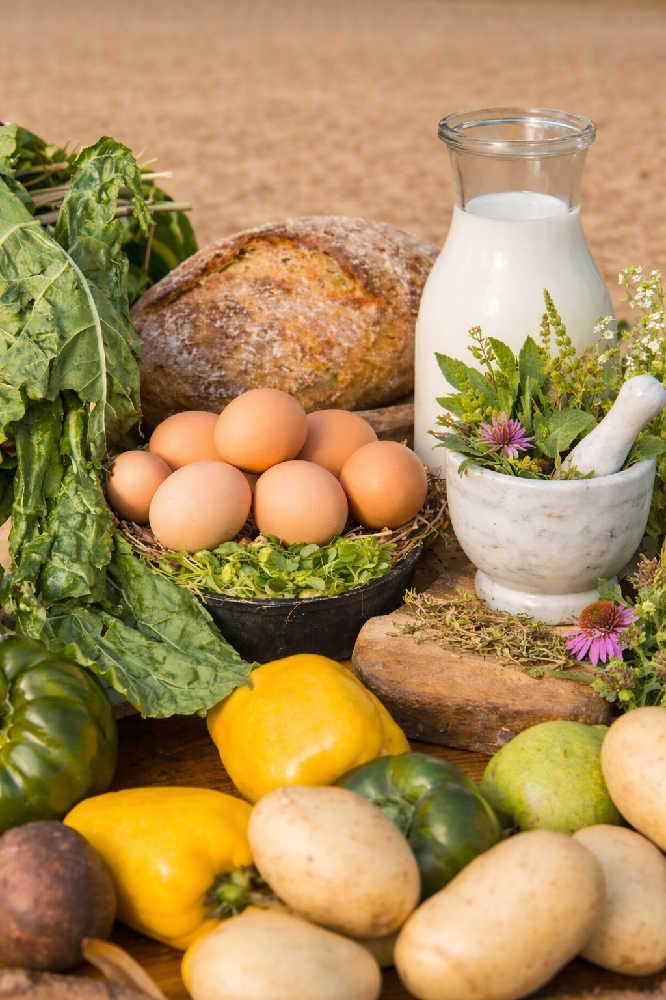
 Food
Food
In the event of a currency reset, food security becomes one of the most immediate and critical concerns. Disruptions to the supply chain can significantly reduce the availability of food, and what remains may become prohibitively expensive.
If the U.S. dollar were to lose its value or become obsolete, traditional purchasing methods could fail. In such a scenario, access to food, particularly at local sources like farmers’ markets would likely require bartering. Having something of tangible value to trade, such as junk silver, becomes essential. We’ll explore this further in the “Barterability” section of The Mantra.
Growing your own food is one of the most effective ways to prepare for a potential shortage. Even if such a shortage never occurs (and we certainly hope it doesn’t), cultivating your own food offers many benefits, chief among them being a significant reduction in grocery costs.
Given rising inflation, growing even a portion of your own food is a smart decision. Additionally, homegrown produce offers superior nutrient density and flavor, compared to store-bought options that often spend days or even weeks in storage before reaching shelves.
A simple and proactive step you can take today: start learning about which seeds grow well in your region. Begin gathering basic gardening tools and prepare a space, no matter how small, to start cultivating your own food. The key is to begin now.
Food Independence and Preservation
Did you know that with proper techniques, you can preserve everything from fruits and milk to meat and complete meals like stews and casseroles? Learning skills like canning, dehydrating, and freeze-drying not only extends shelf life but also protects your family from unexpected food shortages and reduces your reliance on corporate food systems.
Food Preservation Methods:
- Canning can safely preserve fruits, vegetables, dairy, and even full meals.
- Dehydrating, whether using a low-temperature oven or a dedicated food dehydrator, increases shelf life for items like fruits, eggs, milk, and vegetables.
- Freeze-drying is the gold standard, producing long-lasting and flavorful preserved foods, especially when done with homegrown produce.
- Creative uses -like turning expired milk into cream cheese with vinegar, oil, and salt can minimize waste and maximize utility.
Growing Microgreens in jars offers a highly nutritious source of fresh vegetables within just three days. This simple indoor method is ideal for any climate or living space.
Cooking Without Electricity:
In an energy crisis, knowing how to cook off-grid is essential. Campfires, propane grills, and camping stoves offer reliable alternatives. You can even prepare long-burning matches to light fires in wet conditions.
Food Storage and Supply Tips:
- Start a garden or raise chickens for ongoing fresh food sources.
- Buy in bulk and store essentials like beans, rice, lentils, coffee, and oats in vacuum-sealed bags in a cool, dry place.
- Stock stable, healthy oils - organic coconut and avocado oil are ideal for cooking, while olive oil is best used raw due to its low smoke point.
- Avoid vegetable oils like canola or soybean, which are unstable and can turn rancid, posing serious health risks.
Energy for Food Preservation:
Back-up energy systems such as generators and solar power are crucial for running refrigerators and freezers during outages. That said, frozen food has limited shelf life. Supplementing with preserved goods ensures greater food security and peace of mind.
With a bit of preparation and the right tools, food independence becomes not only achievable but empowering. It’s not just for survival, it's a lifestyle choice that supports health, resilience, and freedom.
Water
Water is essential to life. While the human body can only go a few days without it, access to clean, safe water is something many of us take for granted until it becomes limited. Whether due to natural disasters, supply disruptions, or economic shifts, having a personal water plan in place ensures peace of mind and stability. Thankfully, there are many simple and effective ways to store and purify water, whether through rainwater collection, home filtration systems, or properly maintained storage containers. If you don’t have access to a natural water source like a well or stream, it’s recommended to store at least one gallon of water per person per day, for a minimum of three days.
Why Water Preparedness Matters:
Government agencies control the bulk of public water supplies, often leaving individuals dependent without realizing it. Without water, you can’t drink, clean, cook, bathe or even grow food. Water is essential, which is why it’s the second pillar of The Mantra.
Being prepared for droughts, infrastructure failure, or supply contamination can mean the difference between survival and struggle.
How to Become Water Independent
- Invest in Water Storage:
Cisterns, tanks, large drums, and portable distillers are increasingly popular and practical. Learn how to properly clean and maintain potable water over time.
- Install Filtration Systems:
In a crisis, contamination, not scarcity, is often the biggest issue. Even if you live near a river or lake, you’ll still need filtration to remove bacteria and other toxins.
Methods of Water Purification:
- Filters - Convenient for daily use. However, filters have limited lifespans, are prone to damage, and often do not remove viruses or chemicals.
- Purification Tablets - Compact and easy to use. They don’t remove chemical pollutants and may leave an unpleasant taste.
- UV Light Purifiers - Effective against microorganisms. Require power and don’t remove chemicals.
- Bleach: A short-term solution. Must be used sparingly and correctly. Learn proper usage before relying on this method.
- Boiling: A trusted method that kills pathogens and some heat-sensitive chemicals.
- Sunlight (SODIS) -Using a clear bottle on a sunny day can purify water after several hours. Only works under ideal conditions.
- DIY Natural Filter - Use a 2-liter bottle layered with cloth/moss, fine sand, charcoal, coarse sand, and gravel. Simple and effective in emergencies.
- Tree-Based Filtration - Research from MIT shows that pine sapwood can purify water. Other natural materials may work but must be non-toxic. Education is key.
- LifeStraws - Portable, lightweight, and useful in emergencies.
Alternative Water Sources
- Backyard Ponds & Water Features:
Properly filtered and circulated pond water can support gardens or be treated for human use in emergencies.
- Air-to-Water Extraction:
In humid climates, devices like dehumidifiers paired with BPA-free hoses and clean containers can collect distilled water from the air. Note: remineralization is required before drinking.

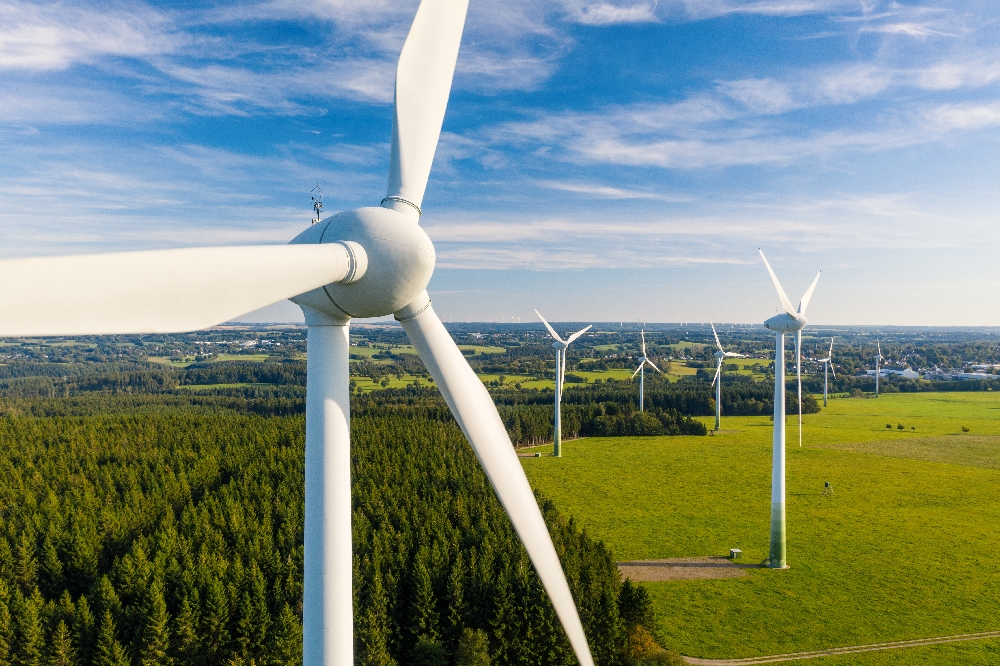
 Energy
When we talk about energy within the framework of The Mantra, we're referring to your ability to operate independently from the power grid. This means having reliable, alternative energy sources such as generators, propane-fueled appliances, solar power systems, and even a well-stocked woodpile.
Those who are mantra-prepared build layers of energy resilience. Backup systems like solar panels, battery storage, and fuel-powered generators can keep essential appliances, like refrigerators and freezers, running during outages or extended emergencies.
Equally important is the ability to prepare meals without relying on electricity. Do you know how to safely build a campfire? Portable camping stoves, rocket stoves, and propane grills can make all the difference when cooking during a blackout or off-grid situation.
There are also practical tools and techniques to increase your readiness. For instance, wood matches can be treated to burn for several minutes, long enough to start a fire even in damp conditions. These kinds of simple but powerful solutions can make a real difference when it counts.
Innovative options like bicycle-powered generators can also provide small amounts of electricity to keep lights on or charge devices while also helping you stay active and fit.
Energy independence means peace of mind, no matter what’s happening on the grid. With a little preparation, your home can stay warm, your food can stay fresh, and your daily life can remain steady, no matter what comes.
Security
During times of social upheaval, economic instability often brings increased poverty, homelessness, and desperation, particularly for those who are unprepared. That’s why security becomes a vital pillar of resilience. It’s not about living in fear, it’s about taking smart, empowering steps to protect yourself, your loved ones, and your home.
Security is ultimately about peace of mind. Once you’ve established your shelter and secured your essentials, the next step is making sure it’s all protected. Many of the measures outlined here serve as strong deterrents to potential threats and can help you feel confident and in control, no matter what the world throws your way.
This isn’t about panic, it’s about preparation. Security is a foundation for confidence, independence, and well-being. A little planning now can make a big difference later.
Here are some proactive security steps you can take:
- Install perimeter fencing around your property
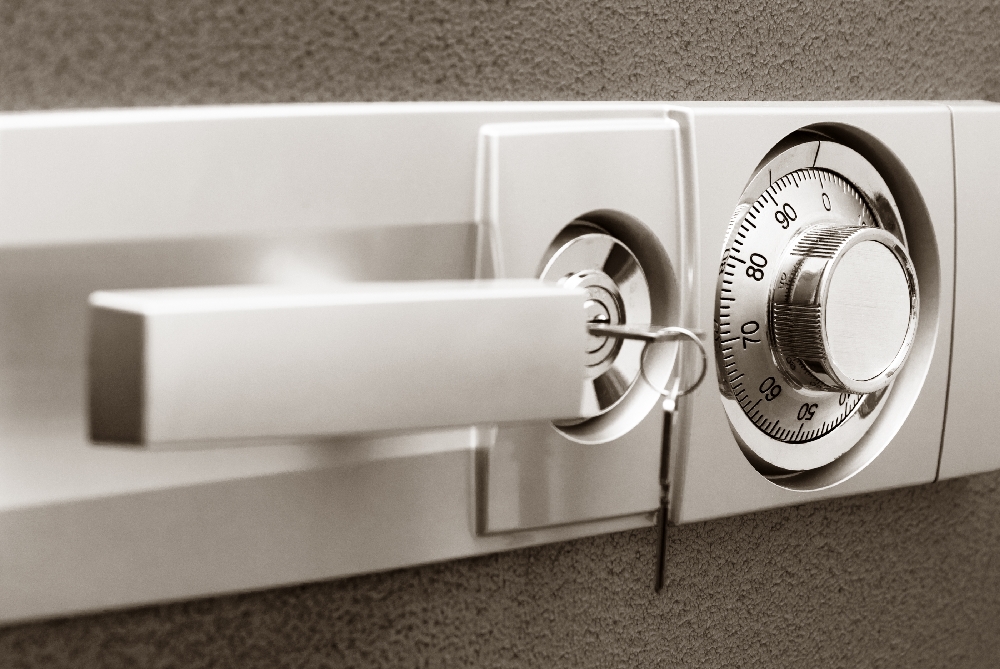
- Secure all gates, doors, and windows with quality locks
- Build a trusted community network for mutual support and communication
- Set up motion-activated security lighting around your home
- Install cameras and post signs like “Smile! You’re on camera!”
- Own and train large protective dogs
- Learn self-defense, hand-to-hand combat, or martial arts
- Look into responsible gun ownership (get trained and follow state laws)
Your security plan should reflect your personal comfort level and values but most importantly, it should leave you feeling empowered, prepared, and protected.

 Barterability
In the event of a currency collapse or reset, the question becomes: how will goods and services be exchanged? When traditional money no longer functions as a reliable medium of exchange, the ability to barter to directly trade value for value becomes not only practical, but essential.
Silver is one of the most effective tools for barter. Its lower value per ounce compared to gold makes it ideal for everyday transactions. Fractional silver coins allow for straightforward, in-the-moment exchanges, whether it’s for food, fuel, medicine, or other critical supplies. Certain small gold pieces, like fractional coins or gram bars, are useful for larger trades, complementing silver in barter.
But barter isn't limited to precious metals. In a world where fiat currency fails, anything of real, practical value becomes currency. That includes:
- Goods like food, water, clothing, seeds, tools, batteries, or hygiene products
- Skills such as mechanical repair, medical care, gardening, construction, or teaching
- Services like childcare, transportation, or security
- Time and labor in exchange for items or other services
If you can grow food, fix something, teach a trade, or supply something others can’t easily access, you have barterable value. In that world, usefulness is currency.
That’s why preparing for a barter-based system requires more than just storing silver, it means identifying what you already have or can learn that would be of value to others in your community. At Zang International, our Strategy Specialists help you build a well-rounded Sound Money Strategy that includes silver as a reliable medium of exchange, but also encourages you to think beyond money, and into self-sufficiency, skill-building, and community resilience.
Wealth Preservation
Gold has long served as a cornerstone of lasting wealth. Unlike fiat currency, whose value is constantly eroded by inflation, debt cycles, and monetary policy, gold retains its purchasing power over time.
The U.S. dollar, like all fiat currencies, is not backed by a tangible asset. It’s created and controlled by central banks, which can increase the money supply at will. When more dollars are printed without a corresponding increase in real value or productivity, each dollar in circulation becomes worth less, this is inflation. As a result, the cost of everyday essentials like food, housing, and fuel rises, while your savings buy less and less. This quiet theft of purchasing power happens slowly, but persistently.
Gold, by contrast, cannot be printed or manipulated into existence. Its supply is naturally limited and requires significant effort and cost to mine and refine. That scarcity gives gold an intrinsic value that remains stable across time and economic conditions. One ounce of gold today buys roughly the same amount of goods it did 100 years ago a statement no fiat currency in history can make.
In moments of crisis, this difference becomes even more clear. While paper currencies can fail entirely; wiped out by hyperinflation, bank closures, or government overreach, physical gold endures. It is universally recognized, historically trusted, and easily tradable in any market or country.
“If you don’t hold it, you don’t own it.”

Community
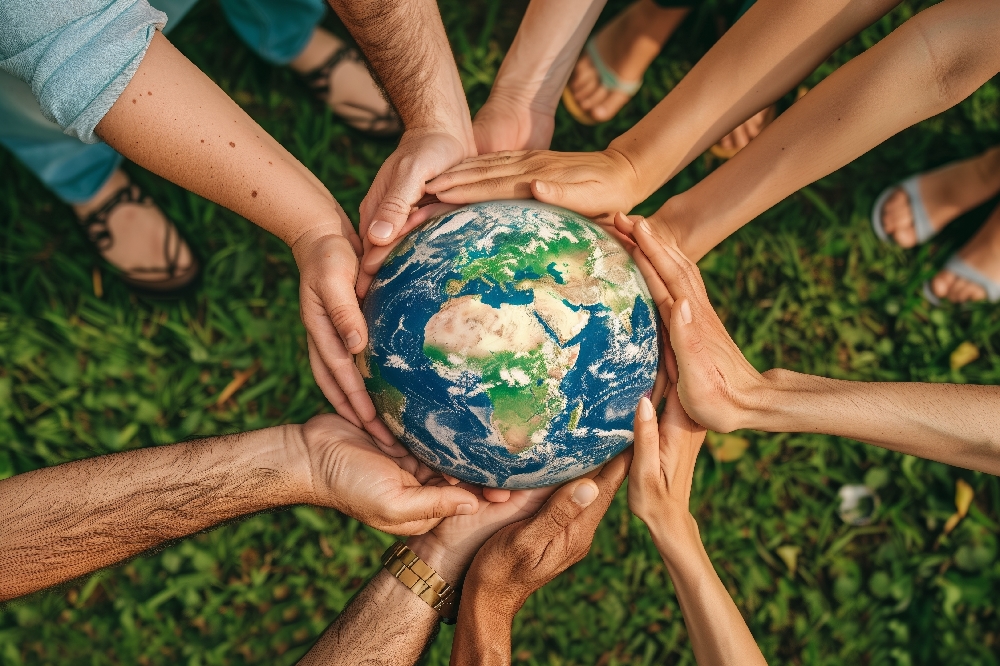
Human beings are inherently social. We thrive in strong, resilient communities, and often find deep purpose in contributing in meaningful ways. In times of uncertainty, especially during a currency reset or societal disruption, being well-connected within your community can be one of the most important aspects of security and survival.
The Link Between Community and Security
Community and security go hand in hand. One of the simplest, most effective security strategies is to maintain good relationships with your neighbors, yes, even the difficult ones.
That nosey neighbor might be the first to notice someone snooping around your property. The barking dogs next door may annoy you, but they could easily scare off a would-be intruder. And your eccentric neighbor with a yard full of cats? They might be doing your whole street a favor by keeping rodent and pest populations down, protecting local food stores in the process.
Sometimes, building a safer, more livable neighborhood is as simple as offering a bowl of water to the cats, putting up a birdbath, or taking a moment to chat across the fence. These small acts build trust, familiarity, and a sense of shared responsibility.
Contribute Through Volunteering
One of the most rewarding ways to strengthen community ties is through service. Volunteering at your local farmers market or directly on a farm can be an incredible way to connect with others, learn vital food-growing skills, and support local resilience. Farmers are often grateful for the help, and you’ll gain firsthand knowledge that can benefit your own family.
The relationships you build in these spaces often lead to natural exchanges of value, including friendly bartering, mentorship, and mutual support. Community, as an aspect of The Mantra, is deeply interconnected with all the others, especially food, barterability, and security.
Smart, Simple Bartering
Bartering with neighbors can create meaningful, reciprocal relationships. Perhaps your neighbor drops off extra produce from their garden, and you return the favor with a loaf of fresh-baked bread. These small exchanges build goodwill and reinforce local resilience. A simple “Let us know if you ever need anything” goes a long way and often comes back to you in kind.
Backup Communication Plans
In the event of power outages or digital communication failures, having a communication backup is essential. Two-way radios or long-range walkie-talkies are inexpensive, easy to use, and effective. Practice with family or trusted neighbors in advance so you’re ready if you ever need to rely on them.
Confidence, Kindness, and Caution
Ultimately, building community is about creating bonds through confidence, kindness, and clarity, not fear or guilt. The right relationships can provide the greatest sense of security and purpose. And in times of disruption, a strong community could very well be the most valuable asset you have.
 Shelter
Shelter is more than just a roof over your head, but your foundation for stability, safety, and independence. Whether you own your home, are paying a mortgage, or renting, what matters most is having a secure, sustainable place to live that you can maintain through any economic shift.
To achieve true self-reliance, it's important to plan for more than just your rent or mortgage. Consider your ability to cover utilities (or provide alternatives), access food (through buying, growing, or storing it), and maintain daily living essentials within your space. Your home should be a place where you can not only survive but thrive.
It’s also where you’ll store your sound money, like gold and silver, which gives you direct control over your wealth. As Lynette's saying goes: If you don’t hold it, you don’t own it.
Finally, protecting your home and everything in it is key. A safe shelter isn’t just about walls and a roof it’s about security. In times of crisis or economic reset, the need for protection increases as social conditions shift. Taking steps now to secure your space helps ensure peace of mind later.