



Bond Yields Are Sending a Warning Signal
On Tuesday, Lynette Zang opened with a headline that perfectly captures the moment we are in: bond yields are surging as political and fiscal pressures begin to bite, while gold hits new highs and silver continues to surge. These moves are not random. They are signals from the largest and most important market in the world, the global debt market.
Debt markets matter because they are where new money is created in a debt based system. When confidence breaks down here, the consequences ripple through every other asset class, including stocks, real estate, currencies, and commodities.
How Bond Prices and Interest Rates Really Work
To understand why this matters, Lynette revisits the fundamentals of how bonds work.
- When interest rates rise, the market value of existing bonds falls.
- When interest rates fall, the market value of existing bonds rises.
- The longer the maturity of a bond, the greater the volatility in its price.
This is especially dangerous today because trillions of dollars in debt were issued during the fifteen year zero interest rate policy era. That includes government bonds, mortgages, car loans, and corporate debt. As rates have risen, all of that debt has gone deeply underwater.
If banks are ever forced to sell those bonds into the open market, the losses become real immediately. This is why preventing bank runs has become so critical. A bank run exposes the truth that much of the system is sitting on massive unrealized losses.
Governments Are Borrowing Shorter for a Reason
Another key signal is where governments are choosing to borrow. Instead of issuing long term bonds, governments around the world are borrowing at shorter maturities. That alone tells you something is wrong.
Investors are questioning the long term viability of governments whose debt levels are already at nosebleed highs. This loss of confidence is what people often refer to as the bond vigilantes. Despite the dismissive tone used to describe them, their actions reflect a very real concern about whether governments can repay what they owe.
Yes, governments can print their own currency to repay debt. But that does not make government bonds safe. Printing money repays nominal debt at the cost of destroying purchasing power. Debt is still debt, whether it belongs to a government, a corporation, or an individual.
The Myth of Government Bonds as Safe Assets
For decades, investors were told that government bonds were the ultimate safe haven. Lynette makes it clear that this belief is dangerously outdated.
The United States no longer holds a AAA credit rating. That alone means higher borrowing costs. As yields rise on long term debt, the market value of existing bonds falls even further. This is a structural problem for banks and central banks that hold massive bond portfolios.
At the same time, the FDIC has only a tiny fraction of the funds needed to cover insured deposits. Bail ins are far more likely than bailouts, and that reality represents a clear vote of no confidence in the system itself.
Confidence Is the Real Cornerstone of the System
What holds the global financial system together is not math. It is confidence.
When confidence erodes, everything becomes unstable. Lynette points out that central banks and governments are deeply intertwined. When central banks act in the interest of political power rather than monetary stability, the result is more inflation, not less.
This is not new. The same playbook was used in the early 1970s when President Nixon pressured Federal Reserve Chair Arthur Burns to keep rates low. The public was told inflation was being fought, while policies guaranteed that inflation would accelerate.
Why Rate Cuts Would Accelerate Inflation
Today, the pressure on the Federal Reserve to cut rates is intense. If rates are lowered, borrowing and spending will increase, and inflation will rise faster. That, in turn, further erodes confidence.
Lynette warns that confidence levels are already dangerously close to historic lows. From a technical perspective, crossing that threshold could be the signal that engineers hyperinflation.
This is why movements in the bond market matter so much. They reveal what investors actually believe, not what officials say.
We Are at the End of This System
Lynette does not soften this message. She states clearly that we are at the end of the current system. The shift is happening quietly, just as it did in 1933 and in 1971. Adoption of new systems is encouraged slowly, then eventually forced.
The existing system effectively died in 2008. What we are living through now is the long unwind.
Gold and Silver Are Flashing Red Warning Lights
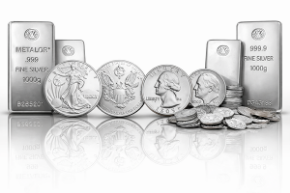
Gold pushing to new highs and silver trading above $41 an ounce are not just bullish price moves. They are warnings. Lynette emphasizes that both metals remain severely undervalued relative to the risks in the system.
Gold and silver are not speculative trades. They are tools for wealth preservation and pillars of sound money strategies in times of systemic change.
Prepare Before the Next Trigger Event
Lynette closes with a direct and urgent message. If you do not already have your sound money strategy in place, now is the time. Preparation goes beyond financial assets and includes resilience across:
- Physical gold and silver for wealth preservation
- Food, water, and energy security
- Personal and community security
- Barter ability and trusted networks
- Shelter and local resilience
At any moment, a trigger event could expose the fragility of the system and accelerate the transition already underway.
Take Action Now
This is not the time to wait and hope for stability to return. Learn how Zang Enterprises helps individuals implement sound money strategies built around physical gold and silver, tangible assets, and real world preparedness. Visit lynettezang.com to take the next step toward protecting your purchasing power, preserving your wealth, and preparing for what comes next.

