
As support for the U.S. economy weakens, the warning signs are becoming harder to ignore. In a recent update, Lynette Zang breaks down the troubling trend in consumer confidence and reveals how financial desperation is fueling dangerous patterns in spending, borrowing, and economic policy.
Consumer Confidence Is Falling Fast
Two major reports were just released:
- The Conference Board Consumer Confidence Index fell to its lowest level since January 2021. At that time, the nation was still facing lockdowns and major uncertainty.
- The University of Michigan Consumer Sentiment Index also dropped sharply, largely due to inflation concerns and the expected impact of new tariffs.
Although these reports come from different sources, both measure how optimistic consumers feel about spending and the economy. When looked at together, they send a clear message: consumer sentiment is worsening.
This decline matters. Consumer spending makes up roughly 70 percent of U.S. economic activity. When people stop spending, the economy slows down. To avoid that outcome, policymakers are scrambling to find ways to keep consumers shopping.
Store Closures Are Spreading
Despite efforts to keep the system afloat, the reality on the ground tells a very different story. More and more businesses are closing locations:
- Kohl’s is shutting down 27 stores in one weekend
- Dollar General, Forever 21, and TD Bank are also closing locations
- Domino’s Pizza is closing over 200 stores
These shutdowns are not just about company performance. They reflect a larger weakness in consumer demand. Every closure brings job losses, rising unemployment, and fewer people with money to spend. The economic pressure is growing.
Buy Now, Pay Later Is Not a Solution
To keep the wheels turning, companies have increasingly relied on credit. Now they are offering "Buy Now, Pay Later" (BNPL) programs as a quick fix. Even DoorDash has added a pay-later option for food deliveries.
But as Lynette Zang asks, "If you have to finance your burrito bowl, does that really scream golden age of prosperity?"
The truth is, it does not. These BNPL programs are a sign of financial distress. They delay the impact, but they also pile on more consumer debt. This is not a solution. It is a warning.
Gold Is the Bridge to Financial Safety
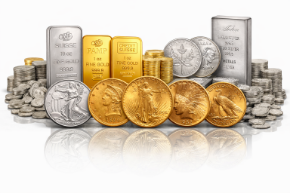
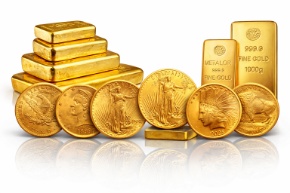
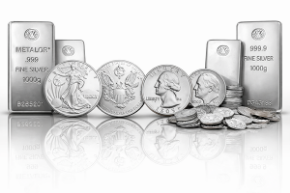
Lynette makes it clear: fragile financial products cannot carry you across a collapsing system. Physical gold and silver can.
These are not just commodities. They are primary and secondary currency metals. They hold intrinsic value and have served as real money throughout history.
When everything else fails, gold becomes the bridge to whatever monetary system comes next. Lynette compares it to jumping between buildings. Would you rather leap using a thread or a solid steel beam?
For anyone looking to protect their wealth, physical gold and silver are essential. They are at the core of any sound money strategy focused on financial freedom and wealth preservation.
Take These Steps Now
Real preparation is built on practical action. Lynette recommends securing these seven foundational areas:
- Food
- Water
- Energy Security
- Barter Ability
- Wealth Preservation
- Community
- Shelter
Community is especially critical. Locally, it helps protect your access to resources. Globally, it gives us a voice in shaping the next monetary system.
In Lynette’s words, “Together, I 100 percent know we can make a positive difference for a lot of people.”
Take Action Now
If you have not already, now is the time to begin building your financial safety net. Start with physical gold and silver. These tangible assets are tools for lasting wealth, protection, and independence.
Explore Zang Enterprises’ sound money strategies to learn how to navigate economic collapse preparation and position yourself for what comes next.

