

The Cracks Are Showing: Consumer Confidence Hits a 7-Month Low
The backbone of our economy is consumption. Without consumers spending continuously, the entire system falters. But what happens when confidence collapses?
Consumer sentiment just dropped to a seven-month low, driven by growing concerns about rising prices. Inflation expectations are increasing, and that is a major warning sign. As Lynette Zang explains, when people lose confidence because their money is losing value, the entire economic structure is at risk.
The Federal Reserve likes to describe this inflation as “sticky.” The truth is, it is embedded in the system. That stickiness is the result of ongoing currency devaluation, and the public is feeling the effects.
The Illusion of Economic Growth Is Cracking
January’s jobs report showed 143,000 new jobs, and the unemployment rate fell. On the surface, this seems like good news. But the numbers came in lower than expected. And these figures are often revised later, proving unreliable over time.
Corporate America is not convinced either. A striking 67 percent of U.S. executives say they are more stressed heading into 2025 than they were the previous year. With 47 percent naming economic uncertainty as their top concern, it is clear that confidence is fading fast.
Policy shifts like changing tariffs and erratic decisions add to the uncertainty. Businesses and markets rely on consistency. But in today’s environment, predictability is nowhere to be found.
Businesses Pull Back and Deflation Risks Rise
Uncertainty is leading businesses to wait before making decisions. Many are slowing hiring or freezing it altogether. This behavior pushes deflation, which the Federal Reserve typically combats by increasing inflation.
Americans looking for work are now facing the most challenging job market in nearly three years. Wages are not keeping pace with inflation, and competition is making it harder to negotiate better pay. According to the Bureau of Labor Statistics, real average hourly earnings have declined despite nominal increases. Inflation is simply outpacing income growth.
The Debt Spiral Deepens: Credit Cards Fill the Income Gap
With wages stagnant and costs rising, how are Americans keeping up?
They are relying on debt.
Consumer borrowing surged by $40.8 billion, the highest on record. Both revolving debt, like credit cards, and non-revolving debt are rising. Most concerning is that the number of borrowers making only minimum payments has reached record highs.
Credit card interest rates are nearing 23 percent. At that rate, many households are falling deeper into debt. Delinquencies are rising too. More than 3.5 percent of card balances are over 30 days past due, and 1.8 percent of accounts are now delinquent. These numbers have more than doubled since their post-pandemic lows in 2021.
Wall Street Will Not Save You
Debt is growing at an alarming pace. But while the government and financial institutions pass the risk around, it is everyday Americans who are left holding the bag.
If your assets are tied up in fiat-based instruments such as ETFs, mutual funds, IRAs, or 401(k)s, you likely have exposure to this toxic system, even if you are unaware of it. As Lynette warns, your wealth has been slowly confiscated through inflation since the day you were born. Why would they stop now?
Gold Is Sound Money. And the World Knows It.
While the media tries to maintain a calm facade, people around the world are taking action. In Russia, demand for gold has hit record levels as citizens seek to protect their savings. Globally, spot gold has reached new highs in every major currency.
Gold is more than a commodity. It is a reflection of confidence in fiat systems. A rising gold price signals distress and collapsing currency value. This is why gold, unlike any other financial asset, carries no counterparty risk.
Silver is showing similar promise. Its chart is forming a technical pattern that often precedes major price moves. A breakout in silver appears inevitable.
Governments Are Desperate. Prepare Accordingly.
Desperate governments take desperate actions. Gold has been confiscated three times in U.S. history, with the most recent in 1933. With the 100-year anniversary approaching, do you really believe it cannot happen again?
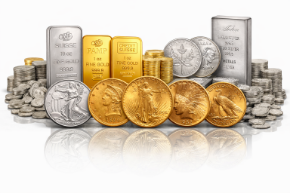
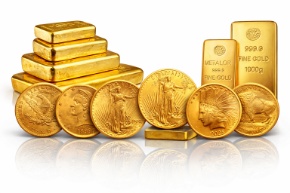
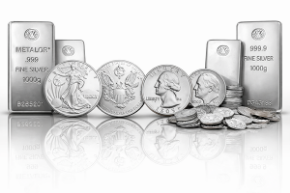
If you do not hold physical gold and silver outside the financial system, you are vulnerable. Bullion near spot price is not the answer either. Premiums are irrelevant when you understand the true fundamental value. One ounce of gold is worth over $40,000 when properly measured. Paying a small premium is a wise investment when viewed from that perspective.
This Fiat System Is Dying. Hopium Will Not Save You.
Relying on hope is not a financial strategy. The time to act is now.
Build your foundation on tangible, real-world necessities:
- Food
- Water
- Energy
- Barterable goods
- Community
- Wealth preservation
- Shelter
At the core of this strategy is sound money.
If enough people convert fiat currency into physical gold and silver, we have a real chance of influencing the next financial system. That next system is already being shaped. The question is whether you will be a passive victim or an informed participant.
Take Control Before It’s Too Late
Lynette Zang continues to sound the alarm, not to create fear, but to inspire action. If you have not yet developed your sound money strategy, now is the time.
Protect your financial future before the system collapses. Discover how to preserve wealth and achieve financial freedom with physical gold and silver.

