

Consumer Sentiment Collapse: A Critical Warning Sign
In this live Q&A, Lynette Zang delivers a stark warning: consumer sentiment has dropped to the lowest level ever recorded since tracking began in 1952.
According to Lynette, this is not just another data point. It is a major signal that confidence in the financial system is breaking down.
“This is a con game. It requires confidence,” she explains. “And when that confidence really starts to crumble, there’s a big problem.”
Rising gas prices, persistent inflation, and the lack of relief for consumers are all contributing to this collapse in sentiment. While governments may attempt to manage perception, Lynette emphasizes that confidence is the foundation of the entire fiat monetary system. Once it erodes, the system itself is at risk.
Understanding the Bigger Picture: The Life Cycle of Money
Lynette outlines what she calls the six stages in the life cycle of money, highlighting a recurring historical pattern:
- Gold and silver form the foundation
- Free markets emerge
- Fiat currency is introduced
- Governments regulate and suppress sound money
- Monetary control becomes centralized
- Confidence collapses, leading to hyperinflation
She stresses that we are now in the final stage, where confidence in both the currency and the system is breaking down.
“This system collapses into hyperinflation,” Lynette warns. “And we are very close.”
Why Consumer Confidence Matters More Than Ever
Lynette explains that the loss of trust has progressed through multiple layers:
- Bank-to-bank trust
- Central bank-to-central bank trust
- Market-to-central bank trust
- Now: public trust is eroding
This final stage, she notes, is the most dangerous.
“When confidence dies, so does that fiat money. Absolutely 100%.”
At the same time, inflation expectations are rising. As consumers anticipate higher prices, they begin to spend money faster, increasing the velocity of money, which is a classic signal seen during hyperinflationary periods.
The Illusion of Market Strength
Despite collapsing consumer sentiment, markets appear strong. Lynette calls this a “melt-up” phase, where asset prices rise artificially due to liquidity and speculation rather than real economic strength.
“Stock markets don’t care,” she says. “It’s all lies.”
She emphasizes that today’s system is no longer driven by fundamentals, but by:
- Debt creation
- Liquidity injections
- Trading activity
This disconnect creates a dangerous illusion of stability while underlying conditions deteriorate.
Question & Answer Segment
Question:
"Lynette, I have a question for you and I hope it's not a stupid one. Gold and silver works off of the spot. The spot is determined by the traders before we had those traders, I'm assuming the spot didn't move much like it does nowadays. When the time comes for us to use our physical silver and gold, will the spot remain stable? What I'm trying to say is if you buy a car with gold at a certain spot and the spot decreases or increases, what happens to the deal you just made with the car dealer?"
Lynette Zang’s Answer:
Lynette explains that historically, gold and silver prices were fixed and did not fluctuate like today’s spot markets. The modern spot market was introduced later to diminish demand for physical metals and shift focus toward paper trading.
Currently, physical gold and silver are influenced by spot prices, but true value is increasingly driven by supply and demand, especially in global markets like Asia.
Looking ahead, Lynette believes that when the system transitions:
- Markets will likely move toward true supply and demand pricing
- Gold and silver will be used more directly in transactions
- Pricing may stabilize relative to real goods and services
Regarding transactions like buying a car with gold, she explains that once a deal is made, it is final. However, she introduces the concept of a gold clause, which allows contracts to be tied to gold value rather than currency. This ensures fair payment regardless of currency debasement.
She emphasizes that gold clauses were common before 1933 and are once again legal, making them a powerful tool in sound money strategies.
Question:
"My friend has 5450 ounces of silver. What can I tell him to do? He bought the silver in 2012."
Lynette Zang’s Answer:
Lynette’s response is direct:
“Sit on it.”
She explains that silver plays a critical role in a sound money strategy, particularly for:
- Barter and everyday transactions
- Local trade and exchange
However, she notes that silver is less efficient than gold for larger purchases or wealth storage due to its bulk.
“You can do everything with silver that you can do with gold,” she says, “but it takes a lot more of it.”
Her recommendation is to develop a comprehensive strategy that includes both metals, ensuring:
- Efficiency (gold for large value storage)
- Flexibility (silver for barter and daily use)
The Role of Tangible Assets in Wealth Preservation
Throughout the discussion, Lynette reinforces the importance of tangible assets:
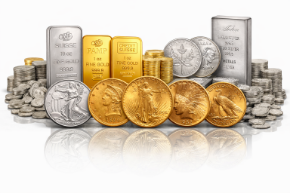
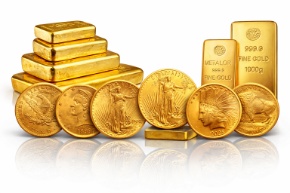
- Physical gold for wealth preservation
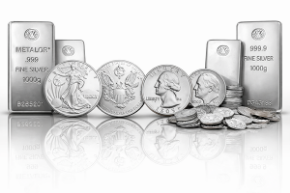
- Physical silver for barter ability
- Real assets for financial independence
She highlights a critical truth:
“These are the only financial assets that, when you hold them in your hand and they’re in your name, you own outright. Nothing else can say that.”
In contrast, paper assets and digital instruments are dependent on a system that is losing credibility.
Preparing for What Comes Next
Lynette outlines what she calls “shortity” preparation, focusing on building resilience in key areas:
- Food
- Water
- Energy
- Security
- Barter ability
- Wealth preservation
- Community
She emphasizes that community is essential, both locally and globally, to rebuild a system based on sound money principles.
Final Warning: The Clock Is Ticking
Lynette leaves viewers with a clear and urgent message:
“This consumer sentiment piece is not good. It tells you how close we are to the end.”
As confidence fades and inflation expectations rise, the system moves closer to a breaking point. For those paying attention, this is the signal to act.
Take Action: Build Your Sound Money Strategy
The current financial system is showing clear signs of stress. Now is the time to take control of your financial future.
Learn how to protect your wealth with sound money strategies, including physical gold and silver, and prepare for economic uncertainty with guidance from Zang International.
Visit ZangIntl.com today to start building a strategy focused on tangible assets, wealth preservation, and financial freedom before the window of opportunity closes.

