



As governments around the world advance into the digital age, the United States is now considering the creation of a national digital asset stockpile. According to Lynette Zang, while some aspects of this development appear logical, it is crucial to examine the true motivations behind the move and understand what it means for anyone seeking financial freedom and wealth preservation.
A National Crypto Stockpile? Yes, But There Are Concerns
The proposal involves a working group tasked with evaluating the creation and maintenance of a national digital asset stockpile. This reserve would potentially be composed of cryptocurrencies lawfully seized by federal law enforcement.
On the surface, this sounds reasonable. As Lynette explains, managing seized crypto assets is simply a responsible course of action. However, the key word here is “potentially.” That kind of vague language often gives the government enormous flexibility. And that opens the door to actions that may not serve the public interest.
Bitcoin Dominates the Government’s Holdings
Right now, the U.S. government controls more than 17 billion dollars in seized cryptocurrency. Bitcoin makes up the majority of that value. The next largest holding is Tether, a stablecoin pegged to the U.S. dollar, but it trails far behind in volume and value.
Managing these assets makes sense. But calling it a reserve raises new questions. A stockpile implies passive storage, while a reserve suggests the assets will be used for something more. That distinction is important, especially when trust in financial systems is eroding.
Market Reaction Proves the Speculative Nature of Crypto
When news of this proposed digital asset reserve broke, the global cryptocurrency market cap surged by 329 billion dollars in just three hours. That level of market movement, based on speculation alone, raises serious doubts about crypto’s suitability as a foundation for sound money strategies.
Sound money should not be subject to wild swings on mere headlines. This kind of reaction shows how unstable and speculative the crypto space continues to be.
Adding to the confusion, former President Trump claimed that coins like XRP, Solana, Cardano, Bitcoin, and Ethereum would be part of the reserve. It is possible he misspoke, especially if only seized assets are to be used. But what his statement did show was the enormous influence one individual can have over a multi-trillion dollar market.
Is Bitcoin a Trojan Horse?
Lynette reminds viewers that while Bitcoin was officially launched in January 2009, the NSA proposed a digital cash system as early as 1996. That long planning timeline forces us to ask: was Bitcoin truly a grassroots innovation, or has it been guided by government hands all along?
In Lynette’s view, it has all the signs of a Trojan horse. It appears to offer independence and innovation, but may ultimately serve to concentrate power and control under government authority.
Who Really Benefits From This Move?
As the White House prepares for its upcoming crypto summit, which will include billionaires and industry leaders, the important question becomes clear. Will this system be designed for your benefit, or theirs?
The mere suggestion that the government may speculate in the crypto market has already enriched a small group of well-positioned investors. Meanwhile, average taxpayers are left with little clarity on the purpose of this initiative.
Let’s be honest. The crypto industry remains a high-risk, highly speculative arena. It is not essential to the U.S. financial system and certainly not essential to the public’s financial well-being.
Global Crypto Adoption Is Real, But Risk Is Still King
Yes, cryptocurrency is being adopted across the world. But that does not mean every digital coin will survive the next financial crisis. Lynette shares that she personally does not hold any crypto, because it is still unclear which assets will withstand real stress.
This market is about to face a serious test. When it does, we will find out which projects have lasting value and which were built on hype alone.
Digital Imagery Does Not Equal Real Value
Ever noticed how cryptocurrencies are often portrayed in gold, silver, or platinum designs? That is no accident. These graphics are created to gain your confidence. They mimic the appearance of real, tangible wealth to make you feel secure.
But the reality is different. Unless you are a highly specialized engineer, you likely do not truly understand how these assets function. And unlike physical gold and silver, cryptocurrencies cannot be held in your hand or verified through centuries of history.
Final Thoughts: Don't Let the Hype Distract You From Reality
The proposed digital asset reserve may look like progress. It may sound like modernization. But what it really reveals is a calculated government entry into a market it once sought to shut down.
This is not about freedom. It is about control. Do not let shiny branding and billionaire endorsements pull you away from what has worked for generations.
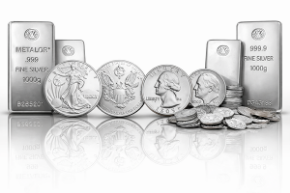
In a world of uncertainty and manipulation, sound money strategies rooted in physical gold and silver continue to offer real wealth preservation and protection against economic collapse.
Discover how Zang Enterprises can help you protect your wealth with real, tangible assets. Learn how to prepare for financial shifts with sound money strategies and build long-term security using physical gold and silver. The time to act is now.

