


In a world where the stock market rally relies on consumer spending, the average American is reaching a breaking point. Lynette Zang warns that inflation is no longer just a burden on lower-income families. Even the wealthy are beginning to feel the strain, and the consequences could be far-reaching.
While leaders insist the economy is strong, the truth is starkly different. The consumer is cracking, and the denial coming from the top could have dangerous consequences.
Inflation Is Not Under Control
Treasury Secretary Janet Yellen recently dismissed concerns about food price inflation, despite prices rising over 25 percent since before the pandemic. The government claims inflation is just 2.2 percent annually, but that number is distorted. Through a tactic known as hedonic adjustments, they replace higher-priced items with cheaper substitutes in the inflation formula.
For example, when steak becomes unaffordable, they substitute chicken. When chicken becomes too expensive, they replace it with hot dogs. This does not reflect the reality people face at the grocery store.
More than 60 percent of Americans now report spending more on groceries than eating out. Even when excluding food and energy, inflation on other essential items still sits at 3.3 percent or higher. Apparel, insurance, and household basics continue to climb in price.
Americans Are Relying on Credit to Survive
With wages failing to keep pace with rising costs, many are turning to credit cards just to make ends meet. From fuel to food, essentials are now commonly paid for with debt. But with higher interest rates, that debt is becoming even more expensive to carry.
Lynette makes it clear. Debt cannot create real wealth. It can only give the illusion of it. When consumers must rely on credit for daily necessities, their ability to sustain that lifestyle diminishes over time.
The signs are already here. Citigroup’s U.S. consumer lending profits dropped 74 percent in one year. Credit card charge-offs at major banks like JPMorgan, Citigroup, and Wells Fargo have surged more than 60 percent in the last quarter alone. These are loans that banks no longer expect to recover.
Luxury Markets Show Signs of Weakness
Even high-income consumers are beginning to cut back. Luxury watch sales have flooded the secondary market as wealthy individuals offload discretionary assets. This trend began after the crypto boom, when many newly wealthy individuals bought luxury goods. Now, those same goods are being resold in large numbers.
As the demand for high-end items falls, it begins to affect employment and production across those industries. This is a ripple effect that spreads far beyond the luxury market.
The data shows that even the top one percent cannot escape inflation. And when both the upper and lower ends of the consumer market pull back, the system begins to unravel.
The Bond Market Is Fundamentally Changing
At the core of this crisis is a deeper structural shift in the bond market. Government currencies are supported by trust. The so-called full faith and credit of a nation is only valid as long as people are willing to lend it money.
But central banks have been forced to buy their own governments' debt. There simply are not enough buyers in the market. The Federal Reserve started purchasing U.S. debt as early as 1999 or 2000, something once associated with developing economies. Now, this has become standard global policy.
This shift is a warning. When a system depends on printing new money to fund itself, the value of that money is bound to erode.
Detergent as Currency: A Sign of Decline
Retail theft is rising, particularly for everyday items like laundry detergent. CVS stores in Washington, D.C. have started locking up Tide bottles to prevent theft. These are not luxury items. They are basic necessities.
When people are forced to steal items like detergent, it is a sign of economic desperation. And it is happening more frequently. This growing trend shows that economic strain is pushing people to act out of sheer survival.
Lynette warns that this is only the beginning. And when the crisis deepens, things will become very local. More items will be locked up. More people will be forced into choices they would never have considered under normal circumstances.
What You Can Do: Adopt a Sound Money Strategy
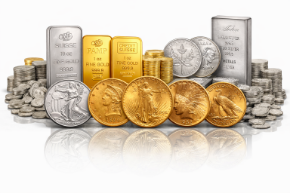
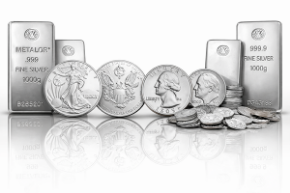
The financial system is losing its integrity. But you do not have to go down with it. Lynette recommends becoming your own central banker by converting fiat money into physical gold and silver.
She personally holds pre-1933 gold coins for added protection in case of confiscation. These tangible assets are her emergency savings and her store of purchasing power. She also recommends holding some cash as your first line of defense, but physical gold and silver should be your second.
A sound money strategy includes:
- Holding physical gold and silver outside the banking system
- Preserving wealth with pre-1933 coins
- Keeping some cash for immediate needs
- Understanding what type of metals you need and how much
As Lynette puts it, “If you are dependent on banks when you need the money the most, you are not getting it.”
If you are ready to preserve your wealth and secure your financial freedom, now is the time to act. Call to schedule a free consultation with a Zang Enterprises strategy specialist. We will help you develop a sound money strategy tailored to your goals using physical gold and silver.

