



In a recent live video, Lynette Zang responded passionately to a statement made by her good friend and fellow financial commentator George Gammon, who claimed that “nobody wants Bitcoin or gold in Argentina.” While Lynette acknowledged the short-term truth of that observation, she offered a deeper, historically grounded perspective on what happens during a financial collapse and why physical gold, silver, and strong community ties remain essential tools for survival and wealth preservation.
The Truth About Hyperinflation: It Moves Fast
Hyperinflation is not just about rising prices. It is about how quickly those prices escalate. Argentina is a prime example. People are not rejecting gold or silver permanently. They are rejecting anything that will not immediately help them secure food, water, and essential goods for their families.
This behavior makes sense. When a local currency is collapsing by the hour, people are not interested in assets that cannot be exchanged instantly for goods. But that does not mean those assets lose their value. It simply means people are in shock and trying to adjust to a rapidly shifting economic reality.
What People Really Want: Goods and Services
When a system breaks down, people do not want fiat currency. They want the food, water, energy, and security that money is supposed to buy. That is why Lynette started her Urban Farm after the 2008 financial crisis. She knew food would become both essential and valuable for barter.
Her preparedness mantra remains constant:
- Food
- Water
- Energy
- Security
- Barterability
- Wealth preservation
- Community
- Shelter
These are the pillars of a sound money strategy. Each one supports long-term resilience in the face of monetary collapse.
Gold, Silver, and Bitcoin: Layers of Financial Defense
Lynette agrees that relying solely on Bitcoin or gold is not enough. These are not silver bullets. However, they are essential tools when used correctly.
- Bitcoin has limited utility with a narrow buyer base. Its best use is portability. You can carry significant value on a thumb drive. But its acceptance is limited.
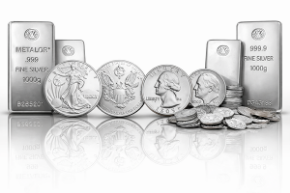
- Silver is excellent for barter. Pre-1964 U.S. dimes, quarters, and half dollars are recognizable and come in multiple sizes. This makes them practical for everyday trades.
- Gold is best for wealth preservation. It has no counterparty risk, holds intrinsic value, and is used in every sector of the global economy.
George raised a point about the lack of liquidity in gold and Bitcoin. Lynette clarified that while Bitcoin has limited application, physical gold and silver are constantly in demand across multiple industries. They are used in electronics, medicine, jewelry, and even solar panels. These metals have utility and intrinsic value, regardless of whether they are temporarily difficult to exchange during moments of crisis.
Bartering in a Broken System
When hyperinflation hits, anything physical becomes valuable. Lynette emphasized how even something as basic as toilet paper became a bartering tool in 2020. Items like canned food, toiletries, and tools are all valuable in an economy where fiat currency no longer works.
Jewelry, even if broken, still holds monetary value because of its metal content. In past crises like Greece's sovereign debt meltdown, people used 14K and 18K gold items to trade for essentials. Physical assets become monetary by necessity.
The Importance of Building Local Community
Lynette emphasized that one person cannot do it all. It takes community. Knowing your local farmers, bakers, and tradespeople is not just practical, it is critical. These relationships form the foundation for trust-based exchanges when the formal economy falters.
She encouraged viewers to:
- Visit farmers markets
- Offer services in exchange for goods
- Learn new skills
- Grow their own food
- Build relationships with neighbors
This is not just about survival. It is about building a network that can support each other through hard times.
A Strategy Built in Layers
Lynette outlined her layered strategy for economic preparedness:
- First Line of Defense: Hold physical cash and silver outside the system for immediate needs and local barter.
- Wealth Preservation: Use physical gold to maintain your long-term purchasing power.
- Future Planning: Set goals for your family’s financial future and build toward them with tangible assets.
- Income-Producing Assets: Develop a base of wealth that generates income you cannot outlive.
This strategy is based on repeatable patterns throughout history. It is designed to help people not just protect what they have but also thrive as wealth is transferred during periods of economic reset.
This Is a Global Fiat Money Crisis
Lynette reminded her viewers that over 4,800 fiat currencies have collapsed throughout history. Fiat money is only valuable when people have confidence in it. Once that confidence is gone, the currency becomes worthless. She showed examples of currencies that are no longer usable, including the Zimbabwe dollar and the Vietnamese dong.
People want goods and services, not paper. That is why you need to hold wealth in physical form and out of the system.
We Are All in This Together
Lynette closed with a message of empowerment. A peaceful revolution can be won by voting with your wallet. Moving into physical gold and silver is not just a financial decision, it is a stand for independence and control over your future.
Protect yourself and your loved ones by preparing now. Learn how to secure your wealth, build your local community, and thrive during economic uncertainty with Zang Enterprises. Now is the time to act.

