

Gold: The Last Anchor in a Debt-Based System
In today’s increasingly unstable financial environment, understanding the role of tangible assets is more important than ever. Lynette Zang breaks down why gold continues to serve as the foundation of sound money strategies, especially as debt levels surge, ownership structures shift, and systemic risks grow.
From the differences between gold and silver to the dangers of hidden leverage and tokenization, the message is clear: preparation and wealth preservation require clarity, control, and physical ownership.
Why Gold Remains the Monetary Anchor
One of the most common questions Lynette receives is why gold holds greater monetary value than silver, especially when silver appears to be more scarce.
The answer lies in gold’s unique properties.
Gold is not consumed. It does not get used up in the same way silver does. This makes it a consistent and reliable tool of measure, which is a key requirement for sound money. For a monetary system to function properly, it needs:
- Stability
- Consistency
- Longevity
- A reliable unit of measure
Gold fulfills these requirements because it remains largely unchanged over time. It is durable, indestructible, and always available.
This is why Lynette emphasizes that gold is the anchor of the monetary system.
Silver: The “Fuse” of the System
While gold serves as the anchor, silver plays a different but equally important role.
Silver is widely used across global industries, which means it gets consumed. This creates scarcity over time and contributes to its volatility. Lynette often refers to silver as the “fuse” because of how quickly its price can react under pressure.
Key distinctions between gold and silver:
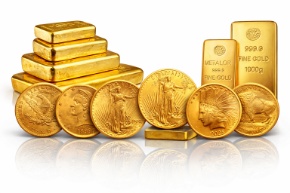
- Gold: Long-term store of value, stable, monetary anchor
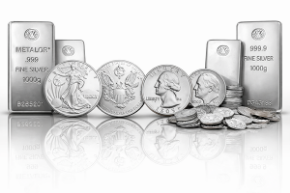
- Silver: Industrial demand, consumable, more volatile
Both are critical components of sound money strategies, but they serve different purposes in wealth preservation and economic collapse preparation.
The Risks of “Investment-Grade” Gold Products
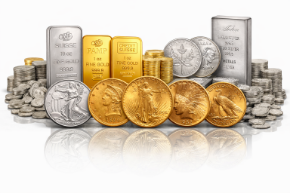
When it comes to choosing physical gold and silver, Lynette cautions against certain products like proof coins.
While they may carry higher premiums and appear collectible, they come with significant risks:
- Premiums can expand dramatically in times of tight supply
- Buyback spreads can become extremely wide
- Value can collapse just as quickly
Additionally, if gold can be held inside an IRA, Lynette points out that it falls into the category of monetary gold, which is easier for the system to control through paper contracts.
Holding assets inside the system introduces counterparty risk. For true financial freedom and wealth preservation, Lynette stresses the importance of holding physical gold directly.
Ownership Illusions and the Shift to Beneficial Ownership
A major structural shift is happening in financial markets, particularly with stock ownership and the removal of physical certificates.
Lynette explains that this transition is not accidental.
Historically, holding a stock certificate meant:
- You were the legal owner
- Your asset could not be used as collateral by others
Today, most investors are only beneficial owners, not legal owners. This distinction is critical.
Beneficial ownership means:
- Your assets can be used by institutions as collateral
- You have limited legal standing in disputes
- Control shifts away from the individual
This change allows banks and financial institutions to access more collateral, enabling them to borrow more and increase leverage.
The Hidden Danger of Extreme Leverage
Lynette highlights that systemic leverage is far greater today than it was during the 2008 financial crisis.
While banks may claim stronger balance sheets, the reality is different:
- Leverage is often hidden rather than reduced
- Exposure to private equity and private debt markets has grown significantly
- Major institutions are now admitting to risks they previously denied
The scale of the problem is staggering, with exposure reaching into the quadrillions.
This raises a critical question:
How do you bail out a system of that size without triggering massive inflation or financial instability?
Tokenization and the Push for More Control
Another emerging trend is the push toward tokenization.
On the surface, tokenization may appear innovative, but Lynette warns that its true purpose is to:
- Increase access to collateral
- Expand borrowing capacity
- Extend institutional control over assets
If everything can be tokenized, it can be leveraged.
This reinforces the importance of holding tangible assets outside the system, where they cannot be rehypothecated or controlled by third parties.
Taxes, Gold, and the Sound Money Movement
Capital gains taxes on gold and silver remain a concern for many investors.
Currently, there are limited legal ways to avoid these taxes. However, Lynette offers a broader perspective:
- Paying tax on gains is preferable to losing everything
- Legislative change is possible through collective action
The growing movement at the state level to eliminate taxes on gold and silver is a step in the right direction. If enough states adopt these policies, it could eventually influence federal law.
Ultimately, restoring gold as part of a redeemable monetary system would eliminate these taxes altogether.
How Much Gold and Silver Do You Really Need?
There is no one-size-fits-all answer when it comes to building a portfolio of physical gold and silver.
Lynette emphasizes that your strategy should be based on:
- Your current cost of living
- Your desired standard of living
- Your long-term financial goals
A practical approach includes:
- Barterable silver for daily transactions
- Barterable gold for larger value storage
- A mix of cash and alternative payment systems
From her own experience, Lynette has structured her holdings to support a 10-year standard of living for herself and her family.
This reflects a critical reality:
Economic collapse preparation is not a short-term event. It is a long-term transition.
Final Thoughts: Preparing for What’s Ahead
The global financial system is undergoing profound changes. From rising leverage and shifting ownership structures to increasing control over assets, the risks are mounting.
Gold remains the last true anchor in a debt-based system.
By incorporating sound money strategies with physical gold and silver, individuals can:
- Protect purchasing power
- Maintain control over their wealth
- Prepare for systemic disruptions
Take Action: Build Your Sound Money Strategy
Now is the time to take control of your financial future.
Learn how to implement sound money strategies with tangible assets like physical gold and silver. Zang International can help you build a personalized plan for wealth preservation, financial freedom, and economic collapse preparation.
Visit zangintl.com today to get started.

