

Consumer Confidence Collapse: A Critical Warning Sign
Lynette Zang is sounding the alarm on a major economic shift that many cannot afford to ignore. Consumer sentiment has dropped to the lowest level ever recorded since tracking began in 1952. This is not just another data point. It is a critical signal that something deeper is breaking within the financial system.
At its core, the entire monetary system relies on confidence. When that confidence begins to erode, the consequences can be severe and far-reaching. As Lynette explains, this system is built on trust, and once that trust starts to crumble, the stability of the entire structure is at risk.
Why Confidence Is Everything in a Fiat System
The current financial system operates as a confidence-based model. Governments and central banks depend on the public believing in the value of fiat currency. When people lose faith in that value, the system itself becomes unstable.
Rising costs, especially in essential areas like fuel, are accelerating this loss of confidence. Gas prices tend to spike quickly but fall slowly, leaving consumers burdened with prolonged high costs. These persistent price pressures directly impact how people feel about the economy and their financial future.
Even small but noticeable increases in everyday expenses can have a powerful psychological effect. When consumers see prices rising rapidly, it reinforces the perception that inflation is out of control.
Inflation’s Real Impact on Everyday Americans
Inflation is not just an abstract economic concept. It is a daily reality that affects purchasing power, lifestyle, and long-term financial security.
Lynette points out several key pressures:
- Rapid increases in gas prices that strain household budgets
- Rising property taxes with limited relief options
- No meaningful return of costs paid through tariffs
- Continued price increases across essential goods
Even when there are policy changes, such as tariff refunds, the benefits rarely reach consumers. Instead, the financial burden remains, further eroding confidence.
At the same time, affordability continues to decline. Many Americans cannot cover even a $400 emergency expense, highlighting how fragile financial conditions have become.
The Life Cycle of Money and the Path to Collapse
Lynette outlines the six stages in the life cycle of money, providing a clear framework for understanding where we are today:
- Sound money foundation with gold and silver
- Introduction of fiat currency
- Government regulation limiting access to tangible assets
- Monopolization of money by governments
- Currency debasement and purchasing power loss
- Loss of confidence leading to collapse and hyperinflation
According to Lynette, we are now in the final stages where confidence in both the currency and the system is rapidly deteriorating. Historically, this stage leads to hyperinflation, where the currency loses value at an accelerating pace.
The Tipping Point: When Confidence Dies
The most dangerous phase occurs when the public loses confidence. Lynette emphasizes that trust has already broken down across multiple levels:
- Bank-to-bank trust
- Central bank-to-central bank trust
- Market trust in central banks
- Public trust in the system
Now, the final and most important layer, public confidence, is weakening. This shift signals that the system is approaching a critical tipping point.
As inflation expectations rise, people begin to change their behavior. Instead of saving, they spend money more quickly, trying to exchange it for anything that holds value. This increase in the velocity of money is a hallmark of hyperinflation.
Markets vs. Reality: The Melt-Up Illusion
Despite collapsing consumer sentiment, financial markets continue to rise. Lynette describes this as a “melt-up” phase, where asset prices climb even as underlying economic conditions deteriorate.
This disconnect is driven by:
- Excessive money printing
- Speculative trading activity
- Artificial support from central banks
However, this phase does not reflect true economic strength. Instead, it often precedes a major correction or crash. The appearance of prosperity masks the reality of declining purchasing power and growing systemic risk.
Why Tangible Assets Matter More Than Ever
In a system built on debt and fiat currency, tangible assets become increasingly important. Lynette stresses that physical gold and silver are unique because they are:
- Fully owned when held directly
- Not dependent on counterparty risk
- Recognized globally as stores of value
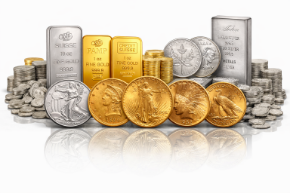
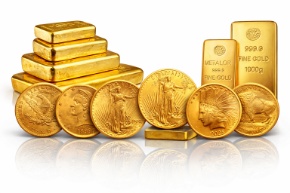
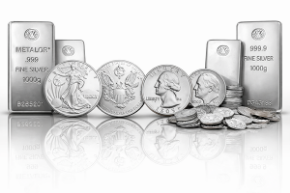
Unlike paper assets or digital investments, physical gold and silver provide true ownership and wealth preservation. They are foundational to sound money strategies designed to protect against currency debasement and systemic instability.
Preparing for What Comes Next
Lynette makes it clear that preparation is no longer optional. As confidence declines and inflation accelerates, individuals must take proactive steps to protect themselves.
Key areas of preparation include:
- Food, water, and energy security
- Physical gold and silver for wealth preservation and barterability
- Building strong local and global communities
- Developing additional skills and self-sufficiency
These steps are not just precautionary. They are essential for navigating a financial system that is showing clear signs of strain.
The Clock Is Ticking
The collapse in consumer sentiment is not an isolated event. It is a warning that the system is entering its final stages. According to Lynette, this is the moment to act.
When confidence disappears, fiat money follows. And when that happens, the transition can be rapid and unforgiving.
Take Control with Sound Money Strategies
Now is the time to evaluate your financial position and take steps to protect your future. Zang International specializes in helping individuals implement sound money strategies using physical gold and silver for true wealth preservation.
Do not wait until it is too late. Learn how to safeguard your purchasing power and prepare for what lies ahead with tangible assets you can trust.

