



Debt Is Growing Faster Than the Economy Can Handle
It took the United States 38 years to accumulate its first $9 trillion in debt. In the following 17 years, we added another $27 trillion. Today, the national debt has surpassed $37 trillion, and it is accelerating.
This is not simply poor budgeting. It is a clear sign that the financial system is being pushed beyond its limits.
The Deficit: A System Built on Borrowing
In 2025, the U.S. government expects to spend $7 trillion but will only bring in $5.1 trillion in revenue. That leaves a $1.9 trillion shortfall, nearly 27 percent more than it can afford.
To understand what this means, consider a credit card scenario. You owe $1,000 but continue spending while making only minimum payments. If your interest rate is 20 percent and you fail to pay down the balance, that $1,000 becomes $1,200 within a year. The following year, you are paying interest on both the original debt and the unpaid interest.
This is compounding debt. Now scale it to the level of a nation spending trillions more than it earns, year after year.
It Started with the End of the Gold Standard
The turning point came in 1971 when the U.S. officially left the gold standard. Before then, every dollar in circulation was backed by physical gold. You could exchange a $20 bill for a $20 gold coin or the gold equivalent. That link to gold limited how much money could be created and forced the government to live within its means.
After 1971, the dollar became fiat, backed by nothing but trust. Without the restraint of gold, the government began overspending on an unprecedented scale. That trend has never reversed, and now we are facing the consequences.
The Cost of Interest Is Becoming Unsustainable
For years, interest rates were near zero. This made borrowing cheap for the government, businesses, and individuals. But as interest rates rise, the cost of servicing the debt is exploding.
The U.S. now pays over $1 trillion in interest annually. This does not pay down the principal. It merely covers the cost of maintaining the debt. Every dollar spent on interest is a dollar not spent on health care, education, or infrastructure. The government is treading water financially while the debt deepens.
What This Means for You
This debt crisis is not abstract. It affects your everyday life.
- If you are saving in dollars, inflation is eroding your purchasing power.
- If you are borrowing, higher interest rates make everything from mortgages to student loans more expensive.
- If you are retiring, systems like Social Security and pensions are under pressure from inflation and mismanagement.
- If you are investing, the financial markets are deeply tied to a system stressed by debt and global instability.
As foreign investors pull away from U.S. assets and global confidence wanes, the cracks are widening. When this system fails, it will not collapse slowly. As Lynette Zang warns, it will fall like a house of cards. And when it collapses, it will happen quickly.
The Solution: Sound Money Strategies
The good news is that you are not powerless. There are strategies you can use to protect your wealth from inflation and financial instability.
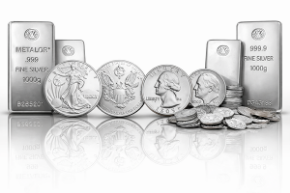
Sound money strategies focus on physical gold and silver. These tangible assets have preserved value for thousands of years, even when fiat currencies and financial markets collapsed.
Gold and silver are:
- Real, not paper-based
- Immune to central bank manipulation
- Proven stores of value in times of crisis
If your goal is to protect your purchasing power, prepare for uncertainty, and secure your wealth long term, this is how you do it.
Take the Next Step Toward Financial Freedom
If you are ready to prepare before the system breaks, now is the time.
Visit lynettezang.com to schedule a free consultation with a Zang Enterprises strategy specialist. They will help you build a plan tailored to your goals, stage of life, and financial concerns.

