



Japan’s Debt Crisis Is Not Just About Japan
A viewer asked a simple question. What is the significance of what is happening in Japan right now? According to Lynette Zang, that question opens the door to something much larger than a single country’s problems.
This is not a Japan rabbit hole. It is a global debt rabbit hole.
To explain it, Lynette uses a powerful visual. Imagine a massive dam holding back a rising river. For decades, governments have been patching cracks in that dam with paper debt. Bonds. Promises. IOUs. At first, the patches appear to work. Markets rise, confidence holds, and the system limps along.
But the water keeps rising.
Each new bond issuance is another flimsy patch on a structure that was never designed to carry this much pressure. Now the cracks are spreading, and those at the top see it clearly.
The Global Sovereign Bond Market Is the Dam
Governments fund their spending by selling bonds. These bonds are promises to repay borrowed money in the future. The entire system depends on confidence.
Confidence in government.
Confidence in repayment.
Confidence that inflation will remain controlled.
That confidence is breaking.
Inflation has not gone away. Deficits are expanding. Central banks no longer project strength or control. As confidence weakens, investors sell bonds. When bonds are sold, prices fall and interest rates rise.
This relationship is critical. When interest rates rise, the market value of existing bonds falls. That dynamic is now playing out across the United States, Europe, and Japan, where borrowing costs are at levels not seen in decades.
Rising Rates Expose the Cost of Endless Debt
As interest rates rise, governments must pay more just to service existing debt. That leaves less money for schools, roads, healthcare, and public services. Banks and pension funds, which hold enormous amounts of government bonds, see their balance sheets shrink.
When bond markets shake, the consequences spread quickly.
Currencies wobble.
Stock markets stumble.
Carry trades unwind.
The carry trade, borrowing at low interest rates to invest in higher yielding assets, becomes unstable when rates rise. Like dominoes, once one piece falls, the rest follow.
Emerging markets usually feel this first as investors pull capital quickly. What makes today different is that this stress is now spilling into advanced economies.
Japan as the Poster Child of Debt Failure
Japan has been the textbook example of how to fight and lose a deflationary battle. For decades, policymakers used inflation as the only tool to combat deflation. Zero interest rates. Negative interest rates. Massive bond issuance.
Now, deflation is no longer the problem.
Inflation has arrived, and Japan is buried under decades of debt. Bonds issued years ago are deeply underwater, but the damage remains hidden until it is too late. This is why Lynette stresses the importance of becoming your own central banker.
The bond market has already broken. Long term interest rate charts show a clear pattern of lower highs followed by zero rate policies, failed rate hikes, negative rates, and now sharply rising yields. This is the point where the system starts to crack.
Why the U.S. Treasury Matters to Everyone
The ten year U.S. Treasury is the foundation of the global bond market. When Treasuries lead a global selloff, it signals far larger problems ahead.
Yields on two year, ten year, and thirty year bonds are spiking. Officials may offer explanations, but the reality is unavoidable. The entire structure is built on trust in promises and full faith and credit.
Trust can wobble.
Trust can break.
Sound Money Does Not Depend on Promises
Bonds, currencies, and deficits are all claims backed by belief in governments. Sound money is different.
Gold is the primary currency metal.
Silver is a secondary currency metal.
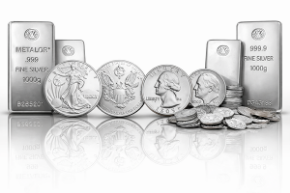
They cannot be inflated away. They do not depend on promises. They function like reinforcing the dam with stone instead of paper. When the flood comes, stone holds.
A solid sound money strategy built on physical gold and silver places you outside the fragile paper system. These tangible assets do not vanish when confidence disappears. They are used across every sector of the global economy and retain value through monetary transitions.
What Preparation Really Means
This is not complicated. Preparation means holding real value.
Gold and silver.
Food and water.
Energy and shelter.
Community, security, and barter ability.
These are the foundations of resilience. When the dam finally cracks, those who prepared are not swept away. They remain independent and self sufficient.
The bond market selloff is a warning. The next step, according to Lynette Zang, is visible hyperinflation. The exact timing cannot be predicted, but the trajectory is clear. Preparation must happen before the crisis becomes obvious.
A Narrow Window of Opportunity
We are transitioning into a new monetary system. This moment represents the best opportunity Lynette has seen to restore sound money and redeemable gold into the system.
If that opportunity is missed, the alternative is full surveillance. Fully intangible money. Total tracking and control.
Right now, there is still a choice.
The bond market is cracking. The derivatives market is even larger and more opaque. Debt looks good on the way up, but it is devastating on the way down.
Protection is no longer optional.
Final Thoughts and Call to Action
The warning signs are flashing. Japan’s debt crisis is not isolated. It is a signal that the global bond market dam is failing under the weight of decades of deficits and inflation.
Now is the time to take control of your financial future.
Learn how Zang Enterprises helps individuals and families implement sound money strategies using physical gold and silver. Build a foundation of tangible assets, protect your purchasing power, and prepare for the economic shifts ahead before confidence breaks completely.

