

What Kids Can Teach Us About Real Money, Inflation, and Financial Freedom
In today’s chaotic economic climate, there’s something refreshingly grounding about hearing truth from the mouths of children. In a lighthearted yet deeply revealing conversation, I sat down with my grandkids to explore big financial concepts like inflation, money printing, and the true value of tangible assets — and what unfolded was nothing short of powerful.
A Game of Central Bankers
We began with a little game playfully taking turns being “central bankers,” handing out pretend money and feeling the short-lived power that comes with it. And just like the real Federal Reserve, every time we "printed" more money, it felt fun. But there was an immediate lesson:
“Every time they do that, it has an impact on the economy on the money that you and I work for and try to save.”
When central banks flood the system with currency, it erodes the value of every dollar we’ve earned. And while it may seem like harmless fun to some, for hardworking families trying to build a future and educate their children, the consequences are serious and lasting.
Gold vs. Spells: What Holds True Power?
In a whimsical turn, we asked: if Elphaba (yes, from Wicked) had saved gold instead of casting spells, would she have had more power when the wizard turned against her?
The kids debated it. Magic is powerful, they said but even magic has limits.
“Magic would have been more useful because the wizard also knows magic... How would money play a role in her defeating the wizard?”
Good question. But here’s the kicker: Elphaba didn’t have the magic of the printing press.
There’s real-world magic in the ability to print money out of thin air. But unlike magic, it comes with dangerous side effects: inflation, currency debasement, and a complete disconnect between the value of money and the value of labor.
Gold vs. Sneakers: What Truly Holds Value?
We then put it to the test. If you could choose between a shiny gold coin or a super-rare pair of Nike sneakers to trade for cool stuff, which would you choose?
“Gold... because if you wear the sneakers, over time they’ll get worn out and their value will decrease. You can’t do that with gold.”
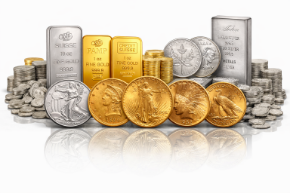
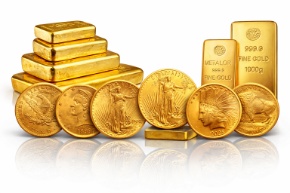
Exactly. Physical gold doesn’t wear out. It’s strong, durable, and has maintained its value across centuries unlike fiat currencies and trendy collectibles.
And yes, one of them even has a gold ducat bought for fifteen bucks and a hug. A smart investment if you ask me.
Disney Dollars: Currency or Company Coupons?
We then turned to a question about Disney creating their own money again Disney Dollars. Could they be used in the real world, or just within Disney parks?
“It’s points for the company... You have to pay your real money to get Disney dollars to buy their only stuff.”
The kids got it right away: if you can’t use it outside the system that created it, it’s not real money. It’s a corporate coupon.
This applies to central bank digital currencies (CBDCs) too. If they can control where, when, and how you spend your money and even take it away that’s not financial freedom. That’s control.
Bitcoin Jokes and Taylor Swift Economics
In the middle of our talk, one of the kids cracked this gem:
“If I was offered a million Bitcoin, I wouldn’t accept because a bit of a coin is worth nothing.”
Smart and hilarious.
And when we explored supply and demand using Taylor Swift concert tickets as the example, the lesson came through crystal clear:
“You can’t have everyone go to the same stadium... people would be sitting on strangers' backs!”
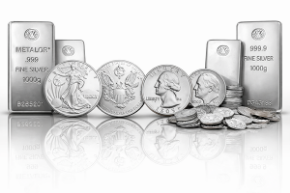
When demand skyrockets but supply stays fixed, prices go up. That’s basic economics and it applies to physical gold and silver, too. There’s only a limited amount of real, tangible metal in the world. But there’s an unlimited supply of dollars, euros, yen... and yes, Zimbabwe dollars.
The Lie of the Money
We ended with the infamous Zimbabwe note a 10 trillion dollar bill.
“You can’t even buy three eggs with this 10 trillion Zimbabwe note... because when it’s government money, if the government says it’s money, they can also say it’s no longer money.”
Exactly. That note probably cost a few cents to print but it represents the collapse of a nation's economy. It’s a stark reminder of what happens when governments abuse the power to print currency.
And that’s the lie of the money: they make it look valuable. But it's only as real as the trust we place in it.
Final Thoughts
This playful yet powerful conversation reminded me how naturally children can grasp truth when it’s laid out clearly. They instinctively know that tangible assets like physical gold and silver are durable and dependable. That when money is unlimited, it loses value. And that sound money strategies are the path to real financial freedom and wealth preservation.
We may laugh, but these are the lessons we all need to remember — especially as we face growing economic instability, hyperinflation, and increasing control over how we spend, save, and store our wealth.
Call to Action:
If you’re ready to break free from the lie of fiat money and take control of your financial future, it’s time to learn how sound money strategies using physical gold and silver can protect your wealth and secure your legacy.
Explore the tools, education, and one-on-one guidance Zang Enterprises offers. Start preparing today for whatever tomorrow brings.
Because truth, like gold, never loses its shine.

