

Major Changes at the Federal Reserve: What It Means for Your Financial Security
The Federal Reserve has quietly made a significant move. It has withdrawn from a powerful global climate-focused group of central banks and regulators. This action, echoed by the FDIC, marks a major turning point in the push toward green finance. It could have sweeping implications for your portfolio, your wealth preservation strategy, and even your energy costs.
Lynette Zang dives deep into this development, highlighting the growing volatility in financial markets and why it is more critical than ever to secure your financial freedom with sound money strategies.
What Is the NGFS and Why Does It Matter?
The Federal Reserve recently exited the Network for Greening the Financial System (NGFS), a global consortium of central banks and financial supervisors. Since its formation in 2017, the NGFS has worked to integrate climate change risk into monetary policy and financial regulation. The stated goal was a globally coordinated financial system aligned with environmental objectives.
In reality, as Lynette explains, it was a move toward a one-world financial system. A single global system is much easier to control than nearly 200 separate national systems.
The NGFS promoted what is known as green finance. These are structured financial activities designed to support environmental goals. While marketed as eco-friendly, these instruments largely benefited major corporations and financial institutions.
If you own ETFs, mutual funds, or other conventional investments, check your portfolio. You may unknowingly hold assets tied to green finance products such as:
- Renewable energy and energy efficiency initiatives
- Pollution control and biodiversity conservation
- Circular economy projects and sustainable land use
The Withdrawal: What Just Happened
Both the Federal Reserve and the FDIC have now withdrawn from the NGFS. This is more than a symbolic change. It signals a broader reversal of global support for the green finance movement.
Lynette underscores that this is part of a wider trend. Government support for climate initiatives is collapsing. In the United States, recent policy changes include:
- A halt to spending from Biden’s climate legislation
- A mandated review of Inflation Reduction Act payouts
- The elimination of the Climate Corps by executive order
Similar reversals are happening in Europe. For example, energy prices in some areas have gone below zero, yet consumer bills remain high. This disconnect highlights the fragility of markets built on speculative green initiatives and complex derivatives.
A $5 Trillion Market in Question
The sustainable debt market recently surpassed five trillion dollars, fueled by global central bank support. Without that support, this market could become dangerously unstable. These financial products are often tied to opaque derivatives that hide systemic risk from public view.
Entities exposed to green debt include:
- Supernationals and sovereign governments
- Government agencies like Freddie Mac and Fannie Mae
- Municipalities and corporations
- Asset-backed and mortgage-backed securities
Without central bank support, the cost of debt servicing is likely to rise. Higher interest rates decrease the market value of these instruments, which could lead to major financial losses and increased volatility.
What Does This Mean for You?
This is more than a change in policy. It is a warning. We are entering a highly volatile and uncertain financial environment.
Lynette Zang calls this a "risk-on" environment. Markets are becoming more unstable and unpredictable. If your wealth is tied up in intangible assets like green bonds or derivatives, now is the time to reassess your position.
The retreat from green finance also raises concerns about energy security. Whether you are using AI, crypto, or simply trying to cool your home in the summer, everything relies on energy. If governments shift back to fossil fuels, costs could rise even more.
That makes personal energy independence essential. Solar panels, backup generators, or off-grid setups are not luxuries. They are critical tools for protecting your security.
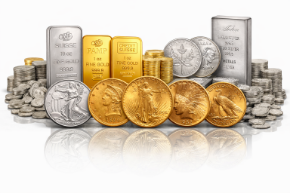
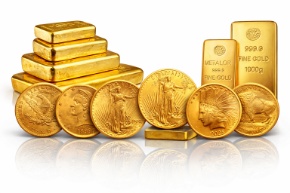
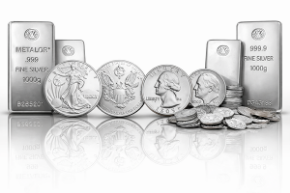
Why Physical Gold and Silver Still Matter
In uncertain times, physical gold and silver remain the foundation of financial stability and freedom. Gold, in particular, offers:
- Stability across diverse markets
- Liquidity for easy buying and selling
- Broad industrial demand and utility
- Performance in high-risk or volatile environments
Physical gold and silver act as a sound money war chest. Unlike fiat currencies or digital financial products, these tangible assets store energy and value. As governments move toward central bank digital currencies and full financial surveillance, physical metals offer a form of freedom no digital asset can provide.
How to Prepare Now
The exit of the Federal Reserve and FDIC from green finance signals a much larger transition. We are moving toward a new financial, economic, and social system.
Lynette encourages you to build a foundation of personal security in key areas:
- Food
- Water
- Energy
- Security
- Barterability
- Wealth preservation
- Community
- Shelter
At Zang Enterprises, we offer a layered strategy built from decades of research on currency life cycles. Whether you are just getting started or need to protect existing wealth, we help you create a plan for long-term financial resilience.
Final Thoughts: Join the Sound Money Movement
We are witnessing the collapse of a multi-trillion dollar financial framework. As support for green finance fades and governments pivot back to traditional energy, the time to act is now.
The best way to prepare is to own physical gold and silver and adopt proven sound money strategies. At Zang Enterprises, our mission is to guide individuals like you through this transition and into true financial freedom.
If not you, who? If not now, when?
Take control of your future today. Speak with a strategist at Zang Enterprises to secure your wealth with physical gold and silver. Build real security in every area of your life.

