

The Final AAA Rating Is Gone
In a powerful live Q&A, Lynette Zang addressed a development too important to ignore. Moody’s, the last major credit rating agency to hold the U.S. at AAA, has downgraded its rating. This follows previous downgrades by S&P in 2011 and Fitch in 2023. It is the third and final strike. The United States no longer holds a pristine credit rating, and this matters more than most people realize.
Many Americans still believe the U.S. dollar is unshakable because it is the global reserve currency. But that belief is rooted in a past that no longer reflects today’s financial reality. This downgrade signals a continued erosion of confidence in the U.S. economy and its ability to manage debt. The financial foundation of the global economy is cracking.
Why This Matters to You
If you think this is just about Wall Street or big institutions, think again. The downgrade will lead to higher interest costs for the U.S. government, and those costs will be passed on to the public in the form of rising inflation, reduced services, or higher taxes.
The Treasury market is no longer seen as the safest place to park money. Global buyers, especially foreign governments, are pulling back from purchasing U.S. debt. This forces the government to offer higher interest rates just to attract lenders. The result is a dangerous feedback loop of more borrowing, more interest, and less global trust.
The Debt Spiral Is Real and Accelerating
Let’s look at the numbers. In 1971, U.S. debt to GDP was 35.63 percent. By 2007, it had reached 62.72 percent. In 2020, the COVID response sent that number skyrocketing. Today, it stands at a shocking 121.85 percent. That means the country owes more than it produces.
Worse yet, the interest on that debt is now compounding. It is the equivalent of having a credit card where you can’t even pay the interest, so it gets added to the balance. The U.S. is now paying interest on top of interest, year after year.
This is not a long-term strategy. This is a ticking time bomb.
Foreign Buyers Are Stepping Back
In a recent Treasury report, Lynette highlighted a disturbing trend. The black line on the chart representing official foreign buyers of U.S. debt is dropping. While private investors have filled in some of the gap, they are not reliable. Governments hold for the long term. Traders do not. They are in it for a quick profit, not for the health of the U.S. financial system.
The demand for U.S. Treasuries is fading, and with it, the so-called “safe haven” status of the dollar.
A Crisis Building Beneath the Surface
This is not something that happened overnight. It has been developing quietly, behind the scenes, for decades. But now it is becoming visible to the public.
Lynette recalls how in 2007, she warned her family something serious was coming. They brushed it off as “doom and gloom.” Months later, the 2008 financial crisis hit, and her mother’s portfolio had dropped 20 percent. The signs were there, but most ignored them.
If You Don’t Hold It, You Don’t Own It
One of the most important takeaways is understanding ownership. When you deposit money in a bank, it is no longer yours. It becomes the bank’s asset, and you become a creditor. The same goes for assets held in "street name" by your broker. Ask your advisor if your investments are held this way. If they are, your wealth can legally be used for the institution’s benefit.
In times of crisis, this matters. If you do not hold it physically, you do not own it.
Gold and Silver Offer a Real Alternative
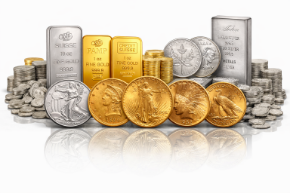
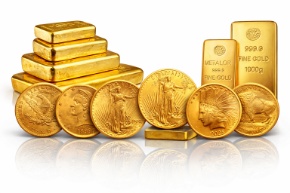
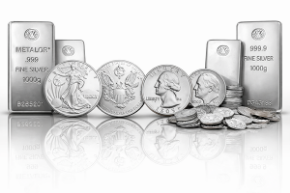
Gold and silver are not just precious metals. They are financial assets with no counterparty risk. They are foundational to sound money strategies and have preserved wealth through every major economic collapse in history.
ETFs are not a substitute. They are shares in a trust, not ownership of metal. Only physical gold and silver protect you in a real crisis. As Lynette points out, inflation is a hidden tax that destroys purchasing power. Gold moves higher as inflation rises because it is real money.
What You Can Do Now
Moody’s downgrade confirms that the U.S. financial system is in decline. Interest payments are exploding, foreign buyers are walking away, and trust in the dollar is disappearing. These are not theories. These are facts.
The time to act is now, while you still have choices. Begin implementing sound money strategies. Diversify into physical gold and silver. Prepare before the public panic begins, not during it.
Secure Your Financial Future Today
Lynette Zang has spent decades studying monetary history and preparing for this very moment. The system is changing fast, but you can still take control. Learn how Zang Enterprises can help you build a strategy based on tangible assets and financial truth.
Because if you wait until the crash is visible, it will already be too late.

