

In today’s financial system, we are told we own our wealth, whether it's in bank accounts, stocks, ETFs, mutual funds, or retirement accounts. But according to Lynette Zang, that belief is a dangerous illusion. If you don’t hold it, you don’t own it.
This is not just a catchy phrase. It is a legal and economic reality that every investor, saver, and citizen must understand, especially now as we approach the end of the current fiat currency lifecycle and face one of the largest wealth transfers in history.
The Truth About Ownership: You Are Not the Legal Owner
Lynette breaks it down clearly. When you buy intangible financial assets, you are not the legal owner. You are simply a beneficial owner. That means your so-called “ownership” of stocks, ETFs, or even funds in a bank account is contractual, not physical. And contracts are only as good as the counterparty backing them.
If a financial institution collapses or decides to restructure your claim, you have no control. Your perception of ownership means nothing in a court of law. What matters is legal title, and chances are, it does not belong to you.
The Yale Study That Unmasks the Financial System
Lynette references a critical Yale Law School study revealing how custodial chains actually work. All the major financial institutions, like the top four or five global banks, are at the top of this chain. They legally own the assets. Every other bank or institution is just a link in the chain between them and you, who sits all the way at the bottom.
In the United States, institutions use 140 percent of your equity to gamble on your behalf. In the United Kingdom, where 99 percent of these contracts are routed, there are no limits at all on rehypothecation. That means your assets can be pledged over and over again without your knowledge or benefit.
When the next financial crisis hits, and Lynette emphasizes that it is already unfolding quietly in the banking sector, you will be left holding nothing but the justification for why you get nothing back.
Physical Gold and Silver: The Only True Ownership
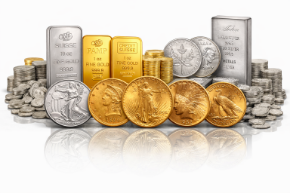
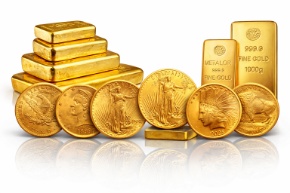
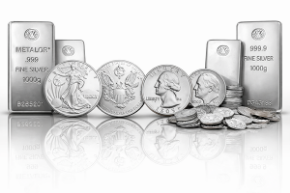
In stark contrast, physical gold and silver in your possession are the only financial assets that carry no counterparty risk. They are not tied to a contract, a bank, or a third party. If you hold it, you own it. Period.
The Bank for International Settlements, known as the central bank of central banks, confirms this:
- Gold held at home is not subject to political manipulation
- Gold is a proven hedge against inflation
- Gold is best known for its protective role during crisis
Lynette urges viewers to pay attention to what central banks are doing, not what they are saying. Central banks have been buying gold in record amounts since 2005, well before the 2008 financial crisis. Their accumulation has only intensified through 2022, 2023, and into 2024.
Why? Because they know what is coming.
You Cannot Count on Wall Street to Protect You
Lynette asks plainly: Are you counting on Wall Street to have your best interests at heart? The same banks that repeatedly take reckless risks with your wealth are the ones who get bailed out, or worse, bailed in using your own money when the system cracks.
Wall Street has its own survival in mind, not yours.
Meanwhile, gold and silver retain purchasing power through every crisis. They are finite, unlike fiat currency which central banks can print endlessly. And they remain the ultimate flight to safety assets, especially in a world filled with geopolitical turmoil and fragile financial institutions.
The Time to Prepare Is Now
This is not just about preserving wealth. It is about protecting your future from a system designed to benefit institutions over individuals. Physical gold and silver are the sound money strategies that offer real, tangible security.
“Don’t believe the lies. Believe the truth. In gold and silver, I trust.” – Lynette Zang
Ready to Take Control?
If you want to stop being a passive participant in the global wealth transfer and start taking ownership that is real and secure, now is the time to act. Let us help you build a personalized sound money portfolio that puts your best interests first and prepares you for the economic shifts ahead.

