

The Great Illusion: How Risk, Debt, and Inflation Repeat Through History
Corporate debt has poured into the stock market like stage fog—thick enough to obscure the setup. Sound familiar?
By 1928, the public was invited into the show. That’s when the real wealth transfer began. The markets dazzled the crowd with new highs, but it was all part of a carefully choreographed act of speculation.
Behind the curtain, banks used non-bank affiliates to lend into the frenzy while pretending to play it safe. By then, 95% of all stocks were bought on margin borrowed money. Insider trading and market manipulation were rampant. Real estate and oil became as overvalued as stage props, and the audience ordinary people believed it.
Risk Transfer: From Wall Street to Main Street
As Lynette Zang reminds us, it’s always about risk transfer. From the few to the many. From insiders to the public.
In 1927 and 1928, newspapers celebrated record-breaking Wall Street activity, but the insiders knew better. They were selling into public euphoria, passing the risk down the line. That same pattern is unfolding again today.
By 1928, trading records were shattered. “Happy days are here again,” people said. But while the crowd celebrated, gold was signaling crisis ahead.
Credit Tightens and Overvaluation Hurts the Public
In 1928, gold began flowing out of the U.S. system. Credit tightened, reversing the easy-money environment that had fueled speculation for years.
The insiders understood what was happening, but the public didn’t. Once enough risk had been shifted onto the public, the system was primed to collapse. Overvaluations never last forever. When they fall, it’s the average person who pays the price.
At Zang Enterprises, we build protection through a sound money strategy a layered, repeatable pattern designed to preserve wealth and position you for opportunity when the system resets.
Because when you don’t know the truth, you keep falling for the same old lies.
The Birth of Fiat: Engineered Inflation and the 1929 Crash
The 1929 crash didn’t just happen it was engineered. The power shift began with the creation of debt-based money.
After the crash, private corporate debt was converted into Federal Reserve notes fiat currency giving corporations the purchasing power first, before it filtered through the system.
Inflation quietly did the dirty work, eroding wages and transferring wealth from workers to debt holders. When the credit punch bowl was yanked from public speculators, the markets collapsed. Between 1929 and 1933, the money supply fell as gold reserves drained away.
The illusionist’s solution? Flood the stage with inflation.
1933 Gold Confiscation: Breaking the Chains
You can’t inflate on a gold standard. Gold enforces fiscal responsibility. So in 1933, under emergency powers, President Franklin D. Roosevelt confiscated the public’s gold, severing money from its tangible backing.
They told the public it was for protection but in truth, it was to unleash unlimited money creation.
Once gold was removed from public hands, the dollar was revalued, and inflation became the engine of growth. Debt expanded exponentially, and the illusion of prosperity continued.
Lynette calls this moment what it was: the deliberate breaking of monetary discipline.
A Blueprint Hidden in Plain Sight
Look closely at the historical data. Treasury debt once labeled “hoarded” eventually flooded into circulation. By 1962, the separation between hidden and active debt vanished forever.
At the same time, private and commercial debt exploded, converted into fiat currency and pumped into the economy. Even after gold redemption ended for the public, foreign governments could still claim gold and they did.
By 1960, the U.S. had shipped out more gold than it held for redemption. The government was no longer honoring its promise to hold the dollar’s value at $35 per ounce. The illusion of the dollar’s strength was collapsing.
From Bretton Woods to Dollar Weaponization
When the world saw that the U.S. was printing money without restraint, they started cashing in dollars for gold.
By the late 1950s, the gold drain was undeniable. The U.S. responded by weaponizing the dollar, exporting inflation globally through systems like SWIFT a pattern we still see today.
The Bank for International Settlements (BIS) later confirmed what Lynette Zang has long warned:
“Gold kept at home is not subject to political manipulation.”
That’s not advice it’s a warning.
The End of Convertibility and the Inflation Trap
In 1971, President Richard Nixon ended the dollar’s convertibility to gold, calling it “the most important monetary move in history.” Behind the scenes, political pressure kept interest rates low, fueling even more inflation.
From that point forward, control over the money supply shifted from elected leaders to unelected central bankers.
The result? Stagnant wages, soaring costs, and declining living standards. In 1971, one average wage could support a family of four. Today, two incomes barely cover the basics.
History is repeating. As policy pressure mounts and debt expands, more inflation is coming.
The Path to Financial Freedom: Sound Money Strategies
Every act of monetary illusion follows the same script risk transfer, debt expansion, inflation, and collapse.
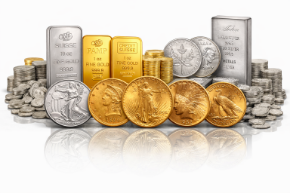
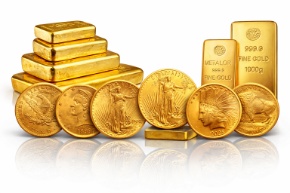
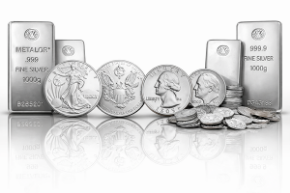
But you don’t have to be part of the audience anymore. Lynette Zang and Zang Enterprises teach sound money strategies that empower individuals to preserve wealth and protect purchasing power with tangible assets like physical gold and silver.
When just 3% of people convert their fiat into real money, the illusion cracks.
The choice is yours: stay in the system or take your power back.
Call to Action
Now is the time to act. Don’t wait for the next crisis to reveal the truth.
Contact Zang Enterprises to learn how sound money strategies using physical gold and silver can help you secure financial freedom, protect your wealth, and prepare for economic collapse.
Together, we can reclaim the future one ounce at a time.

