



As tectonic shifts ripple through global real estate markets, it is critical to understand how these transformations affect your financial future. In a recent video, Lynette Zang broke down how rising interest rates, regulatory changes, and financial manipulation are impacting real estate. She also revealed how those who hold physical gold and silver may be best positioned for wealth preservation and generational opportunity.
Let’s take a closer look.
Real Estate's Role in the Global Economy
Real estate makes up a significant portion of the global GDP. In the United States, it accounts for about 30 percent. In China, it is even more significant, as a large portion of the public holds their wealth in property.
As the financial system has increasingly turned real estate into a tradable financial instrument, a serious mismatch has emerged between the long-term nature of real estate and the short-term liquidity demands of the financial markets. That mismatch poses real danger.
Here’s the breakdown:
- Real estate is a long-term, illiquid asset.
- Retirement funds and financial institutions require daily liquidity.
- When interest rates rise, the market value of real estate-backed debt falls.
That debt underpins many retirement accounts and bank balance sheets. The result is that as rates go up, the financial system becomes more fragile. Most people have no idea how vulnerable their retirement plans truly are.
The Baltimore Land Grab: Who Really Benefits?
Baltimore recently announced plans to sell hundreds of vacant homes for just one dollar each in an effort to revitalize dangerous neighborhoods. On the surface, this may look like a good deal for individual buyers. But developers can buy those same homes for only $3,000 each and access up to $50,000 in taxpayer-funded renovation grants.
Lynette asked the key question: who really stands to gain from this?
Developers who know how to work the system can acquire entire blocks of properties, collect government subsidies, and profit from a program presented as public service. Once again, the public props up the market while insiders benefit quietly.
The $52 Trillion Shift in the Housing Market
The U.S. housing market, now worth $52 trillion, is undergoing permanent changes. A recent legal settlement involving the National Association of Realtors may soon change how commissions are structured. If enacted, these changes would:
- Make fees visible and negotiated separately
- Reduce commissions for Realtors
- Shift home sales away from traditional brokers
- Lower entry costs for buyers
At first glance, this appears to make homes more affordable. But Lynette points out the real motivation. Lowering fees makes more buyers eligible for loans, which in turn props up the system. The goal is not to promote ownership. It is to maintain economic activity by pushing more debt.
Rent Control and Blame Shifting
With housing affordability now a top political issue, President Biden is targeting so-called “rent gouging” landlords. But Zang argues this narrative distracts from the core issue.
It is not just that rents are rising. The real issue is that the U.S. dollar is rapidly losing purchasing power. Inflation, driven by excessive money printing, is what makes housing unaffordable. Rent control may win political points, but it also squeezes landlords who face rising operating costs with capped income.
If your income depends on rental property, you must protect yourself with a sound money strategy that allows for income diversification. In Lynette’s strategy, real estate owners have a specific path to maintain financial stability even during inflation and policy interference.
The Hidden Risk to Your Retirement Plan
If markets were truly allowed to operate on supply and demand, without manipulation, many retirement plans would be exposed as dangerously overvalued. That is why the powers that be continue to prop up real estate markets. They cannot afford for your 401(k) to reflect reality.
The system depends on your ignorance. If you do not know what is happening, you will not act. And if you do not act, your wealth can be taken without resistance.
Hyperinflation, Gold, and Your Once-in-a-Generation Opportunity
Historically, during a hyperinflationary reset, just 25 ounces of gold could buy an entire city block. Buildings and all.
This is not a fantasy. This is a repeatable pattern.
According to Lynette, here is the strategy:
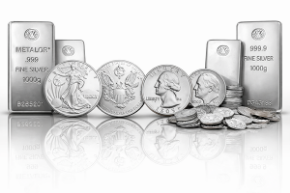
- Silver is for barter and daily spending
- Gold is for wealth preservation
- Pre-1933 gold collectibles are for long-term protection and privacy
She emphasizes that we are entering a period where the next step is accumulation. Those who hold tangible assets will have the power to take advantage of this historic wealth transfer.
Real estate prices may still be climbing—data shows a 6.6 percent increase in January year over year—but the growth is artificial. It is designed to make you feel richer and push you into taking on more debt.
This market is broken, and the changes are not over.
Prepare Now to Take Advantage of the Reset
This is not about fear. This is about empowerment. The system is shifting. The illusion is cracking. And those who hold physical gold and silver are the ones best positioned to protect themselves and their families. Do not wait until the next crash to act.
Now is the time to prepare. Learn how Zang Enterprises can help you build a personalized strategy for wealth preservation, financial freedom, and protection through economic collapse. Schedule your free consultation today to discover sound money strategies that leverage physical gold and silver.
Understanding what is coming does not make you immune. But it gives you the power to act before it is too late.

