



In this revealing discussion, Lynette Zang is joined by Kenneth Mraz, a Zang Enterprises strategy specialist and former automotive industry professional, to explore how rising vehicle prices are signaling deeper economic challenges. With over ten years of hands-on experience in auto sales, finance, and management, Kenneth offers firsthand insights into what’s really happening behind the scenes and how it impacts your financial future.
How Tariffs and Inflation Are Driving Prices Higher
Kenneth highlights the latest shift in automotive tariffs. Although the current administration rolled back compounding tariffs, a 25 percent tariff still applies to vehicles not made in the U.S. While that might seem like a win for American manufacturers, most of their vehicle parts are imported from Canada, Mexico, and beyond.
Those costs are passed directly onto consumers.
Car buyers are already facing higher prices for both new and used vehicles. For used cars, the problem is compounded by parts delays and increased repair costs. Dealerships must ensure safety, emissions, and maintenance standards before selling used cars, and with border restrictions impacting parts delivery, costs are rising fast.
The Real-World Impact on Workers and Dealerships
Lynette and Kenneth dive deeper into how this affects everyday workers. Dealerships across the country are beginning to implement automated kiosks, first for service departments and now gradually for sales.
That means fewer people are needed for front-end sales, service writing, and finance roles. With average automotive salespeople earning between $60,000 and $80,000 annually, and top performers exceeding six figures, this shift risks removing solid middle-income earners from the economy.
Dealerships are being pushed to cut costs, and labor is often the first target. From a business perspective, fewer employees mean fewer expenses related to salaries, commissions, benefits, and retirement plans. From a societal standpoint, however, it means a reduction in community income and support.
A Digital Future with Less Human Interaction
As automation increases, human interaction is disappearing. Kenneth describes a new tool called “text to drive,” where buyers simply text their pre-approval to the dealership. From there, they may only interact with a kiosk and a minimum wage staff member who hands over the keys.
Lynette points out the disturbing truth. When people stop interacting with their community and lose those relationships, they become isolated. That makes it easier to control behavior, stifle dissent, and replace personalized service with faceless automation.
If you have a complaint, your only option may be a chatbot or automated message system. There’s no real recourse and no human accountability. This is a trend Lynette has observed for years, watching the erosion of the personal touch that used to define business.
Ripple Effects Throughout the Economy
Kenneth warns that this trend is not isolated to the car industry. Rising inflation, increased delinquencies on auto loans, surging credit card defaults, and growing mortgage failures are all symptoms of a broken system. As prices go up, purchasing power goes down. As more jobs are automated away, fewer people have disposable income to keep the economy healthy.
And with fewer cars being sold due to pricing people out of the market, GDP slows, and the recession risk rises.
This is not just mismanagement. Kenneth believes the shift toward a fully digitized, centrally controlled economy is intentional. A future where the central bank controls the ledger and your financial activity is monitored 24/7 leaves individuals with no autonomy or privacy.
Why Sound Money Strategies Are More Important Than Ever
When asked what people should do in the face of these changes, Kenneth’s answer is clear. Adopt a sound money strategy.
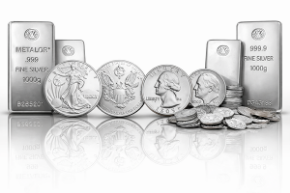
Physical gold and silver provide insulation from the inflationary pressures created by policy decisions, tariffs, and currency manipulation. As the value of the dollar continues to decline, tangible assets offer a way to preserve your wealth and purchasing power.
Kenneth, now a father of a two-year-old, joined Zang Enterprises because he recognized early on that the financial system was no longer safe. He saw the writing on the wall during the 2020 crisis and made it his mission to help others protect themselves.
Lynette emphasizes that their strategy is not just about surviving this shift but securing long-term peace of mind. The systems at Zang Enterprises have been designed for ease, clarity, and protection. They are built to help individuals weather even the most severe economic storms.
We Are Stronger Together
Lynette closes the conversation by spotlighting the talent and heart behind the Zang Enterprises team. From Kenneth to other team members like Jennifer, each expert brings a unique focus and dedication to helping the community thrive. Everyone at Zang Enterprises is committed to sharing knowledge, building strong financial foundations, and empowering clients with the tools to preserve their wealth.
Protect Your Wealth with a Sound Money Strategy
If you have not yet secured your financial future, now is the time. Rising car prices are just one signal of a deeper economic shift. Discover how Zang Enterprises’ sound money strategies with physical gold and silver can safeguard what you have worked so hard to build.
Schedule your free strategy session today and gain peace of mind through financial freedom and wealth preservation.

