

In this episode of Gee Whiz Weekends, Emerald Fox and Lynette Zang unpack a critical shift in the global financial system: the European Central Bank (ECB) signaling a cut in interest rates, diverging from other major central banks. While at first glance this may appear to be a routine economic adjustment, Lynette makes it clear, this move is anything but ordinary. It’s a major warning sign of the growing fragility and disintegration within the global monetary system.
What the ECB Rate Cut Really Means
The ECB’s chief economist, Philip Lane, recently stated that the central bank is “ready to start cutting interest rates.” This positions the ECB in stark contrast to other global powers like the Federal Reserve, Bank of England, and Bank of Japan, which are holding or increasing rates.
Emerald Fox posed the question: is this truly a strategy to support the European public and economy, or just a tactic to reassure markets and maintain confidence?
Lynette Zang’s response: it doesn’t matter whether they follow through or not. What matters is what this move signals, the growing lack of coordination among global central banks. And that spells danger.
Central Banks: No Longer in Sync
Since 2008, central banks moved in a unified direction to respond to the financial crisis. But that cohesion has started to unravel. Lynette referenced the 2015 “Swiss Surprise,” when the Swiss National Bank unexpectedly dropped its currency peg to the euro despite having previously declared that maintaining it was their top priority. This abrupt shift highlighted that central banks could no longer be relied upon to move in lockstep.
Now, with the ECB signaling a cut while other major central banks hold or raise rates, it’s clear that synchronization is over. Lynette emphasized that this dissonance between central banks is deeply destabilizing and reflects the fragility of the global interest rate and monetary system.
Inflation, Credit, and a Broken System
The traditional central bank playbook, raising rates to combat inflation and lowering them to stimulate borrowing, has lost its power. Even during recent rate hikes, access to credit remained loose, as shown by economic data on the Federal Reserve's own database.
According to Lynette, this manipulation of interest rates no longer affects inflation the way it once did. Instead, it serves more as a distraction from the larger truth: the entire financial system is deeply fragile. Since 1971, when Nixon removed gold backing from the dollar, central banks have held unchecked power over inflation, and they’ve used it to destroy the purchasing power of money.
A Brewing Crisis, and a Push Toward Control
What’s emerging now is a transition, one that Lynette warns is not accidental. Global monetary authorities are orchestrating a shift toward central bank digital currencies (CBDCs). But in order to usher in the next version of the financial system, they need a crisis big enough to scare the public into accepting full central control.
And that’s where this growing lack of coordination becomes so dangerous. Divergent monetary policies among advanced economies create financial collisions that can trigger massive instability.
The American Dream: Dead or Dying?
Lynette did not mince words. She believes the American Dream is already dead. Rising interest rates and inflated asset prices have made homeownership and entrepreneurship inaccessible for younger generations. And while central bankers pretend to be “boring” and egoless, they are, in Lynette’s words, “playing God”, choosing winners and losers in a system that favors the wealthy and well, connected.
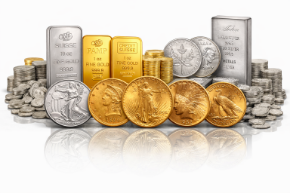
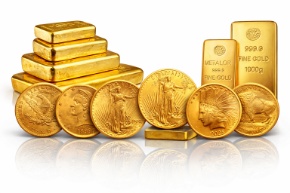
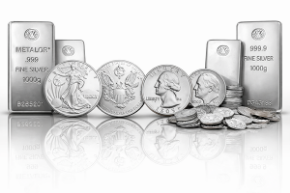
But she offers hope: individuals who act now, those who adopt sound money strategies like accumulating physical gold and silver, can position themselves to weather the coming storm.
Viewer Question: Can Fine Art and Wine Preserve Wealth?
A viewer asked whether rare collectibles like paintings and wine can truly preserve wealth, considering their value is often subjective. Lynette explained that the ultra, wealthy gravitate toward what only they can access, rare, fine, and high, quality assets with long histories of value. These tangible assets, while more volatile than gold or silver, have proven their ability to store purchasing power over centuries.
However, she emphasized that unlike fine art, physical gold is universally valued, used in every sector of the economy, and indestructible. That makes it a cornerstone of any sound money strategy.
Don’t Wait To Take Action
As global central banks fracture and economic systems teeter on the edge, now is the time to take control of your financial future. Don't wait for the next crisis to catch you off guard. Learn how to preserve your wealth and gain financial freedom with physical gold and silver.
Explore Zang Enterprises’ sound money strategies today and prepare with tangible assets that stand the test of time.

