

The Federal Reserve’s recent 50 basis point interest rate cut is being presented as a sign of economic optimism. However, behind the central bank’s decision lies a very different reality: mounting fear, financial instability, and the accelerating erosion of the U.S. dollar’s purchasing power.
This is not a move of strength. It is a signal that the Fed is losing control.
A Dangerous Disconnect: The Illusion of Job Support
Mainstream narratives claim this rate cut is meant to protect the job market, but the actual data points to a far more troubling motive. Federal debt service costs have soared to $1.49 trillion, up 30 percent from last year. In just one year, the U.S. budget deficit has climbed 24 percent to a staggering $2 trillion.
Even more telling, August of last year saw a federal surplus of $89.2 billion. This August, it turned into a $380 billion deficit. That is a complete reversal in just twelve months. These numbers make it clear: the rate cut is designed to ease pressure on government debt and support corporations struggling to refinance at high interest rates, not to protect employment.
Monetary Recalibration or Monetary Crisis?
Federal Reserve Chair Jerome Powell described the move as “recalibrating monetary policy.” In practice, this is a coded admission of crisis. While the Fed claims there is no rush to ease rates, markets now anticipate 200 basis points of cuts over the next two years. That would bring the federal funds rate down to approximately 2.5 percent.
Such rapid easing is not a sign of confidence. It reveals deep concern within the central bank. Lowering interest rates is the Fed’s primary tool to create inflation. This latest move confirms the agenda is now focused on driving inflation higher in order to escape deflation, which is a death sentence for the central banking system.
Unprecedented Shift: Easing Into Already Loose Conditions
Historically, the Fed has eased monetary policy during periods of economic recession when financial conditions are tight. What makes this moment unprecedented is that the central bank is cutting rates during one of the easiest financial environments on record.
The Financial Conditions Index shows conditions are already near historically loose levels. Cutting rates under these circumstances is a major shift. It signals a move toward hyperinflation, where the value of currency erodes rapidly and monetary policy loses all credibility.
The Inflation Machine Has Restarted
The M2 money supply is rising again. After a brief contraction, it is now climbing back toward its peak, exceeding $21 trillion. Every new round of money creation devalues existing dollars and pushes more inflation into the system.
This new money flows directly into financial assets. That is why stock markets are reaching record highs. These increases are not based on underlying value but on currency debasement. Each dollar becomes worth less, so asset prices appear to rise. It is an illusion of prosperity fueled by inflation.
This is not a true recovery. It is a financial melt-up that disguises the collapse of the currency's purchasing power.
Hyperinflation and the Collapse of the Dollar
The U.S. dollar has already lost over 97 percent of its purchasing power since the creation of the Federal Reserve. Since 2020, that decline has accelerated significantly due to unprecedented levels of money printing.
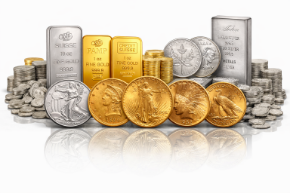
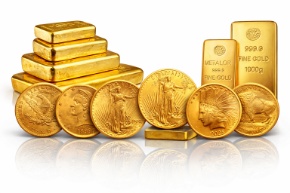
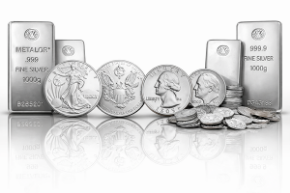
Gold and silver have proven their ability to preserve purchasing power, even during periods of extreme monetary manipulation. Central banks around the world are buying physical gold at record levels. Gold remains the foundation of any true monetary system. Silver, as the secondary currency metal, also plays a vital role.
These precious metals are not merely hedges. They are real money, functioning independently of the banking system and providing protection in times of crisis.
Preparing With Sound Money Strategies
The current financial trajectory points directly to a hyperinflationary environment. The only difference between inflation and hyperinflation is the speed at which it unfolds. That speed is now increasing rapidly.
Individuals relying on fiat-based assets and debt-heavy portfolios face growing risk. Sound money strategies provide a path to financial freedom and security during periods of systemic collapse.
Key actions include:
- Acquiring physical gold and silver
- Transitioning out of fiat-denominated assets
- Strengthening local community networks for barter and support
- Planning for a shift in the global monetary system
The financial system is approaching its end phase. The Fed’s actions reveal that inflation is now the only tool left. The time to act is now.
To build a personalized strategy based on sound money principles, contact Zang Enterprises at 833-GLD-ZANG. Take control of your financial future and preserve your wealth with physical gold and silver before the purchasing power of the dollar vanishes entirely.

