

Global financial markets are undergoing a seismic shift. The warning signs are clear: rising interest rates, unsustainable debt levels, and a fragile Treasury market. These factors point to a rapidly destabilizing foundation. In this environment, understanding the risks and implementing a sound money strategy built on physical gold and silver is essential for wealth preservation and financial freedom.
Central Banks Are Losing Control
Despite recent rate cuts by the Federal Reserve, bond markets are moving in the opposite direction. Investors are now anticipating yields as high as 5 percent. This divergence suggests that markets no longer trust central banks to manage inflation and economic cycles.
Central banks are attempting to stimulate borrowing and spending by lowering rates. However, the rise in yields across the market increases the cost of debt and puts pressure on an already overstretched financial system.
The Treasury Market Is Flashing Red
The U.S. Treasury market serves as the bedrock of the global financial system. Instability in this market sends shockwaves across the world. Recent spikes in 10-year and 20-year Treasury yields, along with similar moves in British gilts, highlight growing stress. Historically, these types of movements have signaled major financial disruptions.
A particularly dangerous risk lies in the interest rate derivatives market. These are complex and opaque financial instruments with massive exposure. Their true impact is hidden until it becomes a crisis.
Recession Signals and a Dangerous Debt Spiral
The yield curve, a trusted recession indicator, has both inverted and then reverted. This pattern typically precedes economic downturns within 12 to 18 months. Central banks are trying to push back against recession by encouraging borrowing, but with little success.
At the same time, public debt is expanding at an alarming rate. Federal debt held by the public has grown rapidly since 2020 and is projected to surpass $50 trillion by 2034. This milestone may come much sooner if current trends continue.
Debt growth is not a solution to a debt crisis. Issuing more debt may temporarily inflate GDP figures, but it ultimately leads to higher prices and declining purchasing power.
A Structural Shift in Treasury Buyers
The buyer base of U.S. Treasuries has changed significantly. Primary dealers, historically banks tasked with stabilizing Treasury markets, have declined in both number and influence. In their place, hedge funds have become major players.
Unlike traditional banks, hedge funds are short-term, profit-driven entities with no obligation to stabilize markets. Their rising dominance introduces significant volatility. Hedge fund holdings of Treasuries jumped from $43 billion in 2017 to over $400 billion in recent years. If they stop buying or start selling, the impact could be severe.
Algorithmic Trading and Market Fragility
Since 2015, liquidity in financial markets has weakened. The rise of high-frequency and algorithmic trading has removed human oversight and introduced increased volatility. Market trades happen at extreme speeds, magnifying every move.
This creates a fragile environment where a minor disruption could trigger a large-scale collapse. Even with trillions of dollars printed by central banks, that liquidity is still circulating and distorting asset prices. Stock markets appear strong, but real purchasing power continues to decline.
Volatility Is the New Normal
Hedge funds are now warehousing longer-term bonds. As interest rates rise, the market value of these bonds drops significantly. Longer maturities experience sharper price declines, injecting further instability into the financial system.
The volume of Treasuries held by hedge funds now surpasses that of banks. Hedge funds, driven purely by profit, can exit the market in times of stress. They have no obligation to provide stability. This shift away from banks, which were once reliable long-term holders, increases systemic risk.
Perception Versus Reality
Strong job reports and rising stock indexes may create the illusion of economic strength. However, these surface-level indicators mask deeper issues. High interest rates make it difficult for governments to finance their debt, especially as bond issuance remains elevated.
Markets are driven by perception. If investors believe the economy is stable, they may continue to invest. But when that perception shifts, the correction will be swift and painful. Stock and bond markets remain vulnerable to rising rates, and fiat currencies continue to lose real-world value.
Why a Sound Money Strategy Is Essential
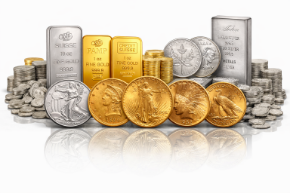
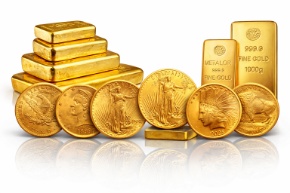
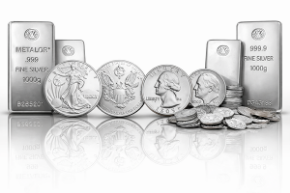
In this environment, diversification into tangible assets is not a luxury. It is a necessity. Physical gold and silver offer true protection because they hold value independently of the financial system. These assets carry no counterparty risk and have served as reliable stores of wealth for thousands of years.
Gold has a low correlation to global bond markets, which makes it a strong portfolio diversifier. When bond and stock markets decline, gold often rises. This inverse relationship provides critical protection.
A complete sound money strategy includes:
- Physical gold and silver
- Food and water security
- Energy independence
- Barterable goods
- Community support
- Wealth preservation tools
- Shelter and personal safety
Preparing in advance ensures that when the next disruption occurs, individuals are not caught off guard.
Take Steps Before It’s Too Late
No one can predict the exact timing of a financial collapse. What is certain is that waiting until the crisis hits will be too late. Early preparation is the only safeguard.
Now is the time to evaluate whether your portfolio is truly diversified. Have you begun building your sound money strategy? Have you completed it? Physical gold and silver must be at the core of any plan designed to withstand inflation, systemic risk, and market volatility.
Take Action Now
Secure your financial future with a sound money strategy based on physical gold and silver. Call to learn how Zang Enterprises can help you build real wealth and stability in uncertain times.

