


In this urgent episode of “G-Wiz Weekends,” Emerald Fox and Lynette Zang explore why today's financial system may be on the verge of a collapse far more destructive than the 2008 crisis. Responding to a social media post by Mike DiBiase of Stansberry Research, they examine troubling similarities between the current stock market and the lead-up to the Great Recession.
While officials like Janet Yellen claim we’ve had a "soft landing," Lynette argues that we are now at the end of the currency life cycle. Unlike 2008, central banks no longer have the tools to stop the crash.
2008 Marked the Beginning of the End
Lynette identifies 2008 as the beginning of the currency system's unraveling. The Federal Reserve responded to the crisis with aggressive quantitative easing. Cheap money was funneled into the system to reflate assets, including stocks, bonds, and real estate.
Interest rates were slashed to zero, boosting borrowing and spending. But that strategy did not solve the problem. It only delayed the inevitable reset.
2024 Signals the End of the End
Today, Lynette believes we are at the final stage of the cycle. The Fed’s balance sheet has ballooned from $800 billion in 2008 to around $8 trillion now. Every round of money printing delivers fewer results while intensifying the risks of inflation.
The derivatives market, once a factor in the 2008 collapse, has exploded. Not only is Wall Street more deeply entrenched in complex leverage, but central banks are now active players in these hidden markets. This creates layers of unseen risk that even insiders cannot fully understand.
What Makes This Crash Different
In 2008, the Federal Reserve still had room to maneuver. Today, it is out of tools. A future Fed pivot will likely trigger the next phase: hyperinflation.
This time, money printing will not stimulate growth. It will destroy trust in the currency.
Lynette emphasizes that markets are complacent, believing central banks can always rescue the system. But when the next pivot comes, it will be the moment everyone realizes the safety net is gone.
Hyperinflation Is Already Underway
One key signal is the rise in monetary velocity. When people lose faith in money, they spend it immediately instead of holding onto it. This behavior is already showing up in the data, suggesting hyperinflation may have already begun.
The real danger lies in how inflation distorts everything. GDP may look like it is growing, but that illusion is caused by inflated prices. A $20 banana counts as economic activity, even though it reflects a collapsing currency.
Time Is Running Out
Lynette says the system is so polluted with debt, leverage, and false valuations that a reset is no longer optional. It is inevitable.
Since 2008, policymakers have thrown every tool they have at the problem to keep the illusion alive. But they never fixed the core issues. The system has only become more fragile, more opaque, and more dangerous.
Prepare Now with Sound Money Strategies
Lynette advises preparing with:
- Food, water, and energy security
- Community and shelter
- Barterable goods
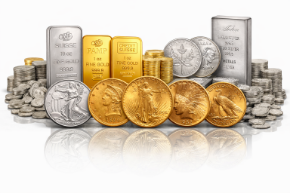
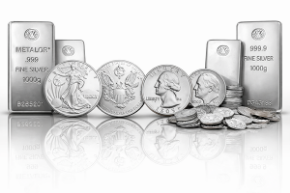
- Wealth preservation through physical gold and silver
Gold and silver are still undervalued because rising prices would expose the truth. A failing currency cannot be hidden forever.
Viewer Question: Should You Keep Cash?
A viewer named Matt asked whether he should keep some cash on hand or convert it all. Lynette’s advice is that cash is your first line of defense in a crisis. The right amount depends on your circumstances.
For someone working full-time, three months of living expenses in cash may be sufficient. For retirees living off fiat investments, a longer cushion might be necessary. The key is to hold this cash outside of the system, while it is still possible.
Banks are making it harder to access cash, and many are moving toward a cashless system. Lynette notes that banks are already asking intrusive questions about how customers plan to use their withdrawals. Once we go fully digital, privacy and flexibility will vanish.
That is why she recommends also holding barterable gold and silver for real financial freedom.
Final Thoughts
This is not just another market cycle. Lynette Zang is clear that this time is different. The next crash will be worse than 2008 because the system is more corrupt, more leveraged, and more unstable than ever before.
However, you still have time to prepare. The path to financial freedom lies in tangible assets, sound money strategies, and taking action before the reset arrives.
Take Control Before the Collapse Hits
Secure your financial future today with Zang Enterprises’ sound money strategies. Discover how to prepare for economic collapse and protect your wealth with physical gold and silver. Visit LynetteZang.com to sign up for alerts and speak with a strategy specialist.

