



The Truth Behind Gold and Silver Price Action
Many people are asking what is really happening with gold and silver, especially after recent price swings in the spot markets. Lynette Zang makes it clear that to understand these moves, you must first understand what the spot market actually is and what it is not.
The spot market is a trading product. It is not the physical market, even though investors have been trained to believe it represents the true value of gold and silver. In reality, the spot market is designed for perception management. Its purpose is to discourage ownership of physical metals and keep wealth trapped inside the financial system, where it can be inflated away.
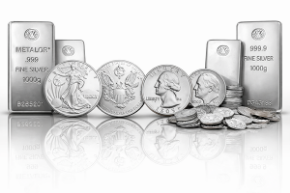
Physical gold and silver, held in your possession, carry zero counterparty risk and zero inflation risk. They cannot be inflated away because they are used across every sector of the global economy. That gives them full functionality and broad, ongoing demand.
Understanding the 200-Day Moving Average
To cut through the noise, Lynette walks through a critical technical concept: the 200-day moving average.
The 200-day moving average is calculated by totaling the closing price of an asset over 200 days and dividing it by 200. This average acts like a rudder on a ship. Price can only move so far above or below it before eventually returning to that average.
On long-term charts for spot silver, this pattern repeats again and again:
- Prices move away from the average
- They eventually return to it
- Ten percent away from the average is already considered significant
- Anything beyond that is extreme
Understanding this helps explain why corrections happen and why they are normal, especially in highly traded paper markets.
Support, Resistance, and Why Pullbacks Happen
Lynette explains support and resistance using real-world investor behavior.
Support forms when buyers who previously missed an opportunity are waiting for prices to return to a certain level. When prices dip into that level, buying pressure increases and pushes prices back up.
Resistance works the opposite way. Sellers cluster around levels where they previously wanted to sell. When prices reach those levels, selling pressure pushes prices down.
In silver, a large pool of sellers exists near long-term resistance levels. That selling pressure is one reason spot silver has pulled back recently. This does not change the long-term trend. It reflects how paper markets function.
Why Spot Silver Still Looks Bullish
On a one-year chart, spot silver remains above both the 50-day and 200-day moving averages. That is a technically bullish position.
However, silver recently became extremely stretched. At the time of this analysis, spot silver was still about 22 percent above its 200-day moving average. Since 10 percent is already considered a lot, 22 percent is extreme.
Corrections are normal in trading instruments. What matters is the direction of the moving averages. Both the 50-day and 200-day averages remain in an upward trajectory, reinforcing the longer-term trend.
Lynette emphasizes that spot silver does not reflect the true fundamental value of silver. In her view, silver’s fundamental value is far higher than current spot prices. For that reason, she personally views pullbacks as opportunities, especially for acquiring physical silver by weight rather than collectibles.
Backwardation: A Serious Warning Signal
Backwardation is when the current spot price is higher than the futures price. This is happening in both gold and silver.
Backwardation signals that buyers want metal now, not promises of delivery later. It reflects distrust in future contracts and concern about physical availability.
This is deeply troubling for entities like the LBMA and COMEX, which rely on paper contracts but are ultimately responsible for delivering physical metal. Physical gold and silver are difficult to source, especially in markets dominated by paper trading.
Backwardation exposes stress in the system and highlights the growing disconnect between paper contracts and physical reality.
ETF Outflows and Perception Management
Gold and silver ETFs such as GLD and SLV have recently experienced significant outflows. These outflows push visible prices down, even though nothing has fundamentally changed.
The purpose is perception management. Large players do not want investors to recognize the scarcity of physical metal or the risks faced by those obligated to deliver it. If forced delivery were required at scale, it would expose the system’s inability to meet those obligations.
This is why Lynette stresses that owning ETF shares does not mean owning gold or silver. ETFs are designed to mimic price movement, not provide ownership of physical metal.
Gold’s Technical Position Mirrors Silver
Spot gold shows similar behavior. It remains above both the 50-day and 200-day moving averages, even though it has pulled back from overbought conditions.
A rising gold price signals a falling currency and a looming crisis. That message is inconvenient for policymakers and markets, which prefer investors to stay focused on stocks, bonds, and paper assets.
Pullbacks in spot gold and silver help manage perception and work off overbought conditions. They do not reflect overvaluation. Those are two very different concepts.
The Real Trend Is Currency Devaluation
Lynette is clear that the real trend is not stocks, bonds, cryptos, or even spot gold and silver prices.
The real trend is the ongoing devaluation of fiat currency.
Lower interest rates encourage borrowing and spending. More fiat currency enters the system, pushing asset prices higher and inflating the cost of living. GDP may look stronger on paper, even as families struggle to afford basics.
This is the melt-up phase. Money sloshes from asset to asset, driving prices higher while the currency itself loses purchasing power.
Fiat currency has a fundamental value of zero. It is only usable in one place. Gold and silver have never gone to zero because they are usable everywhere and demanded globally.
What the Physical Market Is Showing
To illustrate the physical market, Lynette points to long-term charts such as the PCGS 3000 Index. These charts reflect the types of physical gold and silver typically used in sound money strategies.
While physical metals have not yet surpassed certain historical highs, they remain significantly undervalued relative to the amount of currency in the system. Wall Street participation in gold and silver is increasing, and that participation historically drives higher prices.
The key takeaway is simple: if you do not hold it, you do not own it. Digitization removes ownership and control, and history shows that crises are often used to force these transitions.
Keeping a Clear Head in Volatile Markets
Lynette emphasizes that she watches the spot market primarily to help people understand it, not because it reflects true value. Spot prices move up and down. That is normal.
What matters is not believing the narratives pushed by Wall Street and understanding the difference between paper products and tangible assets.
Gold and silver remain monetary at their core. Their value lies in their functionality, scarcity, and universal demand, not in daily price fluctuations.
Preparing with Sound Money Strategies
This environment demands clarity, education, and preparation. Sound money strategies focus on tangible assets that preserve purchasing power during currency devaluation, financial instability, and economic collapse preparation.
At Zang Enterprises, the goal is to meet people where they are and help them move toward financial freedom through education and thoughtful planning.
Call to Action
Now is the time to deepen your understanding of sound money strategies and take steps to protect your wealth. Learn how physical gold and silver can help you prepare for currency devaluation, market instability, and long-term wealth preservation. Connect with Zang Enterprises to explore how tangible assets fit into a resilient financial strategy built for uncertain times.

