

Tokenization Has Arrived and It’s Redefining Ownership
Tokenization is no longer a concept of the future. It is already here, quietly reshaping how individuals engage with money, property, and assets. While it may appear sleek and efficient, the deeper implications are far more concerning.
Tokenization involves converting real-world assets such as gold coins, homes, or fine art into digital tokens. These tokens can then be split, traded, or managed automatically through smart contracts. While this may sound like progress, it is essential to question what is truly being held.
A digital token is not ownership. It is a claim. A representation. And that claim resides on a network that, more often than not, is controlled by someone else.
Convenience Does Not Equal Control
Tokenization makes wealth feel flexible and modern. But ease of access often comes with a trade-off: loss of control.
Once assets are locked into digital systems governed by centralized platforms, smart contracts, or digital IDs, reversing that process becomes difficult, if not impossible. This subtle erosion of control happens gradually, as individuals exchange real, tangible wealth for representations they no longer govern.
Gold, on the other hand, is a form of sound money that requires no intermediary. It has retained its value across centuries and civilizations. It is:
- Tangible
- Borderless
- Free from counterparty risk
In contrast, a tokenized version of gold or any asset is only as secure as the network hosting it. When control over assets is outsourced, ownership becomes fragile.
Centralized Power Is Driving the Shift
Major financial institutions such as BlackRock, Fidelity, and JP Morgan are already heavily invested in tokenized finance. These entities are not driven by public interest. They do not move toward innovation unless it serves their own financial agendas.
This shift is not about democratizing wealth. It is about consolidating it. History offers a clear warning. In 2008, so-called financial innovation led to massive economic collapse. Tokenization could be the next version of that same playbook, wrapped in a digital interface but carrying the same risks of centralization and loss.
The Risk of Fragmented Wealth
Tokenized assets make it alarmingly easy to divide, fractionalize, and offload wealth without considering the long-term implications. What feels like flexibility is, in reality, a gradual surrender of financial autonomy.
The more control handed over to digital systems, the harder it becomes to reclaim. And once systemic control is in place, regaining independence is not just difficult. It becomes nearly impossible.
Gold Remains the Foundation of Financial Freedom
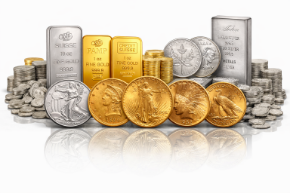
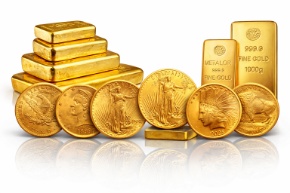
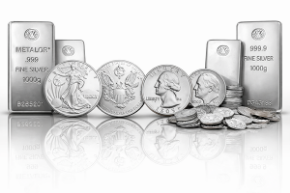
In uncertain times, physical gold and silver remain the most reliable store of value. These tangible assets operate outside digital infrastructure and remain unaffected by smart contracts, centralized platforms, or systemic failures.
Gold is not a speculative trend. It is a proven form of savings and a solid foundation for wealth preservation. It provides long-term security, regardless of how financial systems change or deteriorate.
Secure Wealth With Tangible Assets
There is no need to completely overhaul financial strategies overnight. However, taking the first step is critical. That step begins with something real. Begin with physical gold and silver.
Zang Enterprises provides personalized guidance to help individuals build sound money strategies based on tangible assets. These strategies are built to endure economic instability, hyperinflation, and digital overreach.
Take Control Before It Is Too Late
Do not wait for the system to dictate the terms of your financial future. Schedule a free consultation with a strategy specialist from Zang Enterprises today. Build a plan designed to protect your wealth, regardless of what the future holds.
Take control. Preserve your assets. Prepare for what comes next.

