
Financial systems do not always change through one dramatic event. Sometimes, they change one piece at a time while the people using them continue to see familiar names, familiar assets, and familiar account balances.
That is the warning Lynette Zang raises when examining the digital ruble, tokenization, and the changing infrastructure underneath traditional financial assets.
The critical question is not simply whether people voluntarily choose a new financial system. It is whether the infrastructure underneath what they already own can change without requiring them to make that choice at all.
As Lynette puts it, the reality is simple: if you don’t hold it, you don’t own it.
The Ship of Theseus and a Changing Monetary System
To explain how monetary systems can transform gradually, Lynette points to the Ship of Theseus.
Imagine replacing a ship one plank at a time while everyone continues calling it the same ship. Eventually, every plank may have changed, even though the name remained the same throughout the process.
Lynette sees a similar process taking place within monetary and financial systems.
A currency can still be called the ruble, for example, while the payment infrastructure underneath it changes. Consumers may continue banking, shopping, and conducting everyday transactions while gradually interacting with an entirely different financial rail.
That transition can happen so seamlessly that people automatically adopt the new system without recognizing how much has changed.
How Voluntary Is a New Financial Rail?
Russia says using the digital ruble is an individual choice. But Lynette argues that there is another part of the story worth examining.
Major banks and retailers are being required to build the infrastructure necessary to support the digital ruble.
If banking, shopping, and normal economic activity increasingly become connected to that infrastructure, Lynette asks a simple question:
How voluntary is it really?
Her concern is not limited to what the digital ruble can do today. Once a new financial rail exists, the larger question becomes what that infrastructure could be made to do later.
That distinction is central to understanding the gradual transformation Lynette sees occurring throughout the financial system.
Monetary Systems Have Changed One Plank at a Time Before
This kind of transition is not new.
Lynette points to earlier changes in the monetary system. Federal Reserve notes once circulated alongside gold and silver coins. Silver coins later circulated alongside base-metal coins. Foreign governments continued holding dollars after 1971, but they could no longer convert those dollars into U.S. gold.
Plank by plank, the system changed.
In Lynette’s view, Federal Reserve notes are not sound money because they do not preserve the value of labor through time, which she identifies as money's most important function.
She also points to the dollar's loss of purchasing power, saying that officially there is not even three cents of purchasing power remaining from the original dollar.
That leads to a question she says nobody has answered:
What happens when we get to zero?
Urgency Is Different From Emergency
For Lynette, recognizing these changes before the system reaches a crisis is the difference between urgency and emergency.
Urgency means you still have choices. Emergency means somebody else may be making those choices for you.
This is why understanding the infrastructure behind financial assets matters before a crisis arrives.
Once a new financial rail has been established, the question is no longer simply whether the technology exists. It becomes a question of how that technology can ultimately affect ownership, access, custody, and control.
And tokenization provides a powerful example.
Tokenization Is Moving Into Existing Financial Infrastructure
Lynette highlights a recent development involving tokenization platform Ondo and DTCC's fund system.
According to the information discussed in the video, Ondo became the first tokenization platform connected to DTCC's fund system.
Lynette describes DTCC as occupying a central ownership and infrastructure role across bonds, mutual funds, stocks, derivatives, and other financial assets. She also notes that the system already processes more than 85% of U.S. mutual fund transaction activity.
The significance, in her view, is that tokenization does not necessarily need to create an entirely separate financial system and persuade millions of Americans to abandon the system they already use.
Instead, tokenization can connect directly into existing infrastructure.
That means investors do not necessarily have to actively choose the new rail.
The rail can change underneath them.
Lynette also notes that DTCC's broader tokenization service is expected to launch in October. To her, that represents another plank being replaced because tokenization is no longer simply sitting at the edge of the financial system. It is being connected to infrastructure underneath assets ordinary people already own.
Faster Settlement Is Not the Only Question
Tokenization is often presented through potential benefits such as faster settlement, greater efficiency, better liquidity, and easier asset movement.
Lynette does not dismiss those arguments. Instead, she asks investors to examine a different set of questions:
What happens to ownership, custody, access, and control when the rail underneath your assets changes?
Those are not merely technology questions.
They are ownership questions.
An investor might still see a stock, Treasury, ETF, or other familiar asset displayed on a screen. But behind that familiar display, the systems governing custody, settlement, and control can change.
The name of the asset does not necessarily tell you everything about the structure underneath it.
Why Physical Gold and Silver Matter in Diversification
No individual investor can know everything happening throughout an increasingly complicated financial system. For Lynette, that is exactly why proper diversification matters.
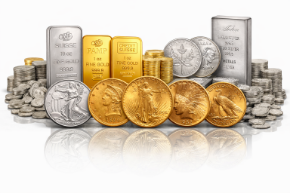
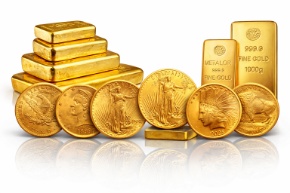
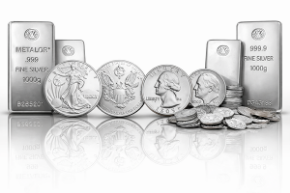
Physical gold and silver held in your possession operate differently from assets dependent on evolving digital rails and custody chains.
There is no new settlement system underneath physical metals held directly in your possession. There is no changing custody chain between you and the asset. There is no new financial rail that must grant access.
There is no permission required.
This is the distinction at the heart of Lynette's sound money strategy and her emphasis on physical gold and silver as tangible assets.
For those concerned with wealth preservation, financial freedom, and preparation for a changing monetary system, the issue is not simply what an asset is called or what price appears on a screen.
The deeper issue is what you actually own, where it sits, who controls access to it, and what infrastructure stands between you and the asset.
How Much Can Change Before You Notice?
The Ship of Theseus analogy leaves investors with a question worth considering.
How many pieces of the financial system can be replaced before the system itself has fundamentally changed?
Tokenization does not necessarily need your permission if it can be incorporated into infrastructure that already sits beneath the assets you use and own.
That is why understanding custody, access, control, and direct ownership is becoming increasingly important.
As Lynette emphasizes, sovereignty begins with what you choose to own.
For those looking to strengthen their financial preparedness, learn more about Zang International's sound money strategies and how physical gold and silver can fit into a broader approach to tangible assets, wealth preservation, and financial sovereignty.

