
Tokenization Is Quietly Redefining Ownership
In a recent Q&A, Lynette Zang addressed a topic every investor needs to understand: tokenization. While it may sound technical or distant, tokenization is already being implemented throughout the global financial system. Whether you are aware of it or not, this shift could soon affect your ability to control and preserve your wealth.
This is not a theory or a trend to watch. It is happening now. Understanding it is the first step toward financial protection.
What Is Tokenization?
Tokenization is the process of converting ownership claims into digital tokens. These tokens are invisible, held on programmable platforms, and represent real-world assets such as property, currency, or gold.
A token can be a fraction of an asset. It can be traded, sold, or transferred with just a few taps on a smartphone. Although this offers convenience, it also introduces new risks, especially to those who rely on long-term asset stability and control.
From Tangible to Digital: A Dangerous Evolution
We began with gold coins. Then came paper money, followed by debit and credit cards. Each phase made spending easier and more detached from real value. Tokenization takes this trend even further by converting physical assets into invisible digital units.
This transition creates a psychological distance between people and their assets. When you physically held an ounce of gold, you were more conscious of spending it. Digital tokens remove that sense of connection and accountability.
Major institutions such as BlackRock, JPMorgan, and Fidelity are investing heavily in tokenization. When these giants move quickly, they are pursuing profit and control, not your best interests.
The “Own Nothing and Be Happy” Model in Action
The World Economic Forum’s prediction that “by 2030 you will own nothing and be happy” may seem far-fetched. However, tokenization could be the silent mechanism to make that a reality. It quietly encourages you to give up real ownership, one small trade at a time.
This transition is designed to feel seamless. According to the U.S. Treasury, money market funds and bank deposits are now referred to as “money-like assets,” not real money. That subtle shift in language is part of a larger strategy to normalize digitized financial control.
Tokenization Targets Real, Tangible Wealth
Tokenizable assets include real estate, rare collectibles, and gold. These are the foundations of dynastic wealth. They are the assets that survive regime changes, currency collapses, and economic resets.
Digitizing these assets turns them into easily manipulated products that mirror fiat currency. This is why preserving real, physical ownership is critical to long-term wealth preservation.
Among the three, gold is the foundation. It has held purchasing power through every kind of crisis for thousands of years. Gold is not speculative. It is the base for preserving and growing real wealth.
Token Structure and Hidden Loss of Control
Tokens operate on two foundational layers: the service layer and the core layer. These layers determine ownership and control. But here is the catch. You can never physically take possession of the token or the asset it represents.
Your ownership becomes entirely digital. It is distant and out of your hands. Tokens are governed by smart contracts, which are automated rules coded into the system. These contracts can transfer ownership instantly and permanently if a payment is missed or a trade is made.
Another risk is atomic settlement. This means that every part of a transaction is completed simultaneously with no delay and no reversal. While fast, this process can be catastrophic during a financial shock.
The Threat of Fractional Ownership
Fractional ownership breaks your real wealth into small, tradable pieces. This increases the likelihood of spending what should be long-term, locked-in assets.
Most people already use mobile devices to manage their finances. Tokenization makes it effortless to trade or spend equity that was once protected. Smart contracts can quietly transfer ownership rights away from you without warning.
Then comes composability. This is the process of combining tiny token pieces into new financial products. These products are often highly leveraged and complex. Most people will not realize what they actually own or how exposed they are to risk.
Layers of Risk: Complexity, Leverage, and Lack of Transparency
According to the Bank for International Settlements, gold held at home is the only financial asset with no counterparty risk and no geopolitical risk. Tokenized and fiat-based assets carry serious dangers.
Here are three major risks:
- Complexity makes the system difficult to understand, even for experts
- Leverage increases exposure and magnifies losses
- Opacity hides risk from both consumers and financial institutions
These risks are not theoretical. They mirror the problems that led to the 2008 financial crisis.
Liquidity Mismatch and the Coming Collapse
Atomic settlement promises instant transactions. But not all assets can be sold immediately. Real estate and gold do not move at the speed of software.
If there is a rush on tokenized deposits, institutions may be forced to sell underlying physical assets quickly. This could lead to fire sales, bail-ins, and a domino effect. In a highly automated system, forced selling can trigger a doom loop of cascading losses.
This is what deflation looks like. And central banks only know one response to deflation. That response is inflation.
The Ownership Illusion
Let’s examine the current legal ownership structure. If you hold physical gold, you own it. If your assets are digital or held in financial institutions, you are only a beneficial owner.
The legal owners are the large banks and custodians. You are at the very bottom. Every intermediary between you and the asset can legally use your equity for its own benefit. This practice is already happening and it is completely legal.
Tokens Cannot Be Converted Back to Real Assets
Once you convert your tangible asset into a token, you cannot reverse the process. You cannot turn the token back into physical gold, real estate, or a collectible.
If you do not hold it, you do not own it.
Big banks and corporations support tokenization because it gives them control over the hard assets. You are left with digital representations. These can be used as collateral to increase their leverage and risk exposure. Your assets become their tools.
Sound Money Strategies Are the Solution
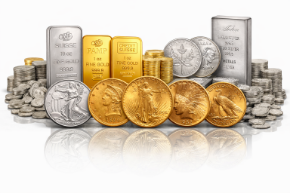
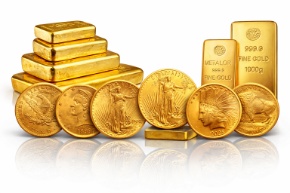
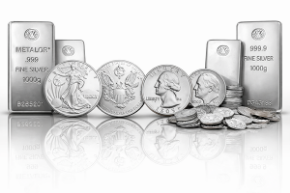
To protect your legacy and your wealth, you need a strategy built outside the digital system. That means holding physical gold and silver. These assets have preserved wealth through every collapse in history.
At Zang Enterprises, we help clients build personalized strategies that are completely independent of the tokenized system. If the financial system says jump, you do not need to say how high.
Final Thoughts
This is not about innovation or convenience. Tokenization is a tool to transfer control of real wealth into the hands of institutions. Real estate, rare collectibles, and gold are being digitized and separated from direct ownership.
Do not wait until your wealth becomes a digital line of code.
Contact Zang Enterprises today to build a sound money strategy rooted in physical gold and silver. Secure your legacy with tangible assets that have stood the test of time.

