

Trade wars are not just political posturing. They are economic triggers with global consequences. In this critical update, Lynette Zang outlines how the breakdown of global cooperation, rising tariffs, and central bank actions are creating the perfect storm for hyperinflation. And it is not just theory. The impact is already being felt.
Allies Become Adversaries
President Trump’s steel and aluminum tariffs were met with immediate backlash from the EU, Canada, and Mexico. These long-standing allies saw the move as a direct economic threat. Tariffs raise the cost of imports, giving American companies the ability to raise prices while increasing profits. That might sound good for corporations, but for consumers, it means one thing: inflation.
Most U.S. steel imports come from Canada, Brazil, Mexico, and South Korea. By targeting these countries, the administration is straining key alliances. The strategy appears to be about keeping others off balance, but that unpredictability creates hesitation and confusion. As Lynette points out, a confused mind often says “no,” which is why many are now sitting on the sidelines. But the result is clear. This is inflation in action.
Beyond Tariffs: Global Interference
This trade conflict goes far beyond steel and aluminum. The administration has signaled plans to tax autos, chips, and pharmaceuticals and is now questioning how other nations collect taxes and regulate their own economies.
By challenging non-tariff barriers such as the EU’s VAT tax and pushing for reciprocal tariffs globally, the U.S. is essentially trying to dictate domestic policy in foreign countries. This overreach is provoking backlash. Other nations are asking why the U.S. should be allowed to influence how they regulate their populations.
According to the European Central Bank, the end of global cooperation could be catastrophic. Dutch central bankers warn that fragmentation threatens growth and stability. These are not minor disagreements. This is the breakdown of the current system.
A Dangerous Decline in U.S. Treasury Demand
Lynette turns attention to another serious threat. The world is beginning to turn away from U.S. Treasury bonds. Major holders like Japan and China have been reducing their positions since 2013. Yet the U.S. plans to issue $4.5 trillion in new debt.
If the world stops buying or slows its purchase of Treasuries, it undermines the entire global financial system. Treasuries are the foundation. A decline in demand means rising interest rates, increasing debt costs, and growing instability. This is not a drill. It is a ticking time bomb.
The Global Order Is Shifting
The trade war is not just about economics. It is about power. China is pushing back against what it sees as U.S. bullying, and its global influence continues to expand. While China exports less steel to the U.S., its dominance on the world stage is growing.
Lynette describes this moment as a renegotiation of the global hierarchy. The U.S. appears willing to alienate allies, bypass multilateral diplomacy, and act aggressively. Whether it is Trump proposing bold relocation plans for Gaza or excluding Europe from high-level talks with Russia, it signals a new era in foreign policy.
This shift could easily result in the world uniting against the U.S. The consequences of that would be far-reaching and deeply destabilizing.
Sound Money Strategy Is Critical
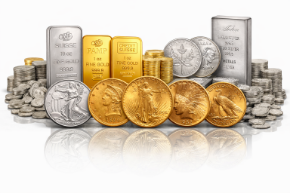
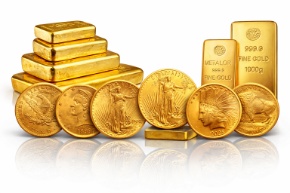
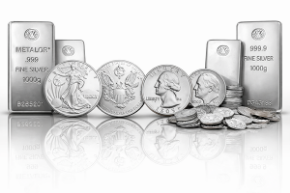
As uncertainty spreads, gold and silver are emerging as essential safe havens. Central banks in China, India, and across emerging markets are increasing their gold reserves. In South Korea, banks have suspended the sale of gold and silver bars because of overwhelming demand and supply shortages.
Lynette stresses that not all gold is created equal. While bullion is widely popular, it is also easier for governments to confiscate. That is why she favors pre-1933 gold coins. These historical coins offer protection against government overreach and are less likely to be targeted.
A sound money strategy means holding physical gold and silver in your possession. If you do not hold it, you do not own it. This is not just financial advice. It is financial survival.
Gold Is Winning the Real Battle
The U.S. dollar might look strong when measured against other fiat currencies, but compared to gold, it is falling hard. Gold is sending a message that the current system is unsustainable. Demand is soaring, and central banks know it.
Gold is the only financial asset that carries no counterparty risk. It cannot be printed. It cannot be defaulted on. It is the core of financial independence.
Take Control Before the Reset
Ask yourself: what am I doing to prepare for this global shift? Are you relying on hope, or are you building a strategy that will protect you no matter what happens?
Now is the time to speak with a strategy specialist at Zang Enterprises. Create and execute a plan that includes physical gold and silver. Take control of your wealth. Preserve your financial freedom.
Even one person can make a difference. Even one person can demand sound money. And that one person can be you.

