



When corporate defaults hit their highest rate since the 2008 global financial crisis, it is time to pay attention. In this episode of G-Wiz Weekends, Emerald Fox sits down with Lynette Zang to unpack the Financial Times headline that corporate defaults are surging, with 29 already reported this year. That figure is just shy of the 36 defaults seen by this time in 2009.
But what does this really mean for investors, markets, and the broader economy?
The Debt Wall Is Crumbling
According to Lynette, this spike in defaults is not random. It is the result of years of corporations gorging on cheap debt during a period of artificially low interest rates. Many of these are zombie companies, which have not generated enough cash flow to cover even the interest on their debt for years. Banks, eager to maintain appearances, continued to lend to them, essentially issuing new debt to pay old interest.
Now the tide has turned. The banks can no longer afford to carry these companies. Defaults are no longer just a risk, they are a strategy. As Lynette puts it, “It now benefits the banks to let these corporations default because they’re defaulting too.”
The Hidden Risk in Your Portfolio
If you are holding corporate bonds through your 401(k), IRA, mutual funds, or ETFs, you may be more exposed than you think. These vehicles often contain high levels of corporate debt, and as defaults rise, so does the threat to your savings.
This is not just a blip. It is systemic. The corporate debt market is one of the foundations of modern financial markets. As that foundation cracks, the cracks spread to everything else: investor confidence, income streams, and the very structure of the global economy.
Derivatives and the Quiet Power Shift
One major issue hiding beneath the surface is the derivative market. These are complex financial contracts tied to interest rates, credit quality, and corporate performance. In the event of a corporate bankruptcy, derivative holders are prioritized ahead of actual vendors. This is due to changes made to U.S. bankruptcy law back in 2005.
That means if a business defaults, hedge funds and financial giants who placed derivative bets might get paid first, while legitimate creditors like suppliers could be left with nothing. This loophole concentrates power and wealth in the hands of a few and reveals how deeply skewed the system has become.
Historical Parallels and the Next Big Shift
Lynette reflects on the financial chaos of past eras, including the 1987 Black Monday crash and the 1971 shift away from the gold standard. These moments, while chaotic, were also transitions. They were times when the rules changed and the public was left scrambling.
We are in another such moment now. The patterns are repeating: social unrest, war, energy crises, and a collapsing debt-based economy. This is not a coincidence. It is part of the script followed during every major monetary shift.
Pensions, Public Wealth, and Missed Opportunities
A viewer question from the UK highlighted the alarming state of the CPERS pension fund, which required a $10 billion loan to prop up its value. That resulted in a 40 percent cut to retiree payouts. Could gold have prevented this?
Lynette’s answer was simple and direct: “Yes.”
Had CPERS allocated even a small portion of its portfolio to physical gold, it could have mitigated those losses. But traditional investments like stocks and bonds are more lucrative for Wall Street. Gold does not generate fees or fuel markets in the same way. That is why it is often ignored, despite being the most time-tested wealth preservation tool available.
The Bigger Picture: From Crisis to Control
The global financial system is undergoing a massive transition. From debt-based currencies to digital surveillance systems, central banks are trying to maintain control while the public remains distracted.
Cryptocurrencies like Bitcoin were introduced as Trojan Horses. These tools normalize digital money in preparation for centralized digital currencies, or CBDCs. And as the banks lose control of their narratives, they rely on chaos and division to distract the public from what is really happening.
As Lynette notes, this is not about conspiracies. It is about patterns. “They want to keep things as normal as possible, as quiet as possible, while creating enough chaos that you don’t see how they are transitioning us into a new system.”
Prepare Before the Collapse
The spike in corporate defaults is a flashing red warning light. This is your opportunity to act, not react. Do not wait for the banks, the corporations, or the government to protect your financial future. They are already protecting their own.
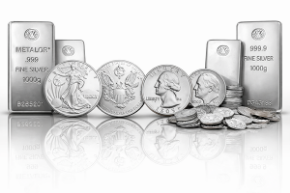
Explore sound money strategies with Zang Enterprises. Learn how physical gold and silver can help you preserve wealth, protect purchasing power, and prepare for the economic reset already underway. Start your journey toward financial freedom today before the next default hits.

