
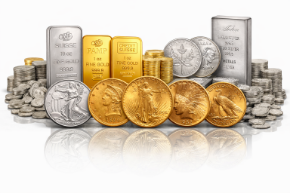
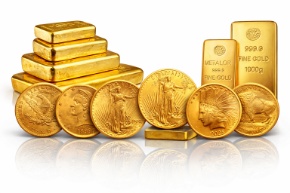
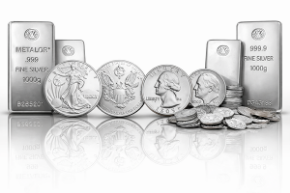

When it comes to protecting your wealth with tangible assets like physical gold and silver, authenticity is everything. In part two of their series on precious metals testing, Lynette Zang and Emerald Fox share hands-on demonstrations for everyday people to verify their gold and silver. Using simple tools like a scale, a magnet, and even a ping test, they show you how to test your assets and avoid getting duped by fakes.
Why You Must Test Your Gold and Silver
As Lynette emphasizes, the importance of testing cannot be overstated. In today’s world of counterfeit coins and deceptive coatings, knowing your precious metals are genuine is a core part of sound money strategies. If you don't test them, you could be sitting on worthless metal.
Fortunately, there are simple, non-invasive tools you can use at home or while out making a purchase.
The Ping Test
Start with the classic “ping” test. A real silver or gold coin, when struck lightly (for instance, using a chopstick), should emit a high-pitched ringing sound.
- Tool used: Pocket Pinger
- What to listen for: A clear, bell-like ring indicates authenticity
- Why it works: Real silver and gold resonate differently than fakes
Keep a Pocket Pinger with you when buying coins in person. It is an easy, audible way to screen for authenticity.
Magnet Test: Gold and Silver Are Non-Magnetic
Next is the magnet test. Precious metals like gold and silver are non-magnetic, so if a magnet sticks to your coin, you have a problem.
Emerald Fox demonstrates using magnets from her dog’s magnetic doggy door to prove you can repurpose even household items. But be warned. Do not carry magnets in your pocket, especially near phones or credit cards. Instead, use a small bag, purse, or satchel.
- Tip: Even if a coin does not attract a magnet strongly, subtle magnetic pull can still reveal fakes
- Observation: Some counterfeits contain inner materials that show a light magnetic response
- Bonus: A magnetic phone pop socket can double as a testing device in a pinch
Weight Test: Precision Is Key
Authentic gold and silver coins are struck to exact specifications. A scale that reads to at least two decimal places can help confirm weight.
Examples from the video:
- Real 1 oz Canadian Maple Leaf: 1.018 oz
- Fake Maple Leaf: 0.941 oz
- Fake St. Gaudens Double Eagle: 0.682 oz
- Real St. Gaudens: 1.177 oz
- New American Gold Eagle: 1.197 oz
As Lynette and Emerald explain, weight is not always definitive. Some fakes mimic weight perfectly. That is why combining methods is essential.
Combine Tests for Confidence
Relying on just one method is not enough. A fake might pass the weight test but fail the magnet test or sound off during the ping. That is why Lynette and Emerald encourage using multiple verification methods:
- Ping Test for acoustic signature
- Magnet Test for non-magnetic properties
- Weight Test for precise measurement
Each method acts as a layer of protection, helping ensure your tangible assets are exactly what you think they are.
Trust Matters: Always Buy From Reputable Dealers
Even with these tests, the most reliable way to ensure you are getting real gold and silver is to buy from reputable dealers. Scams are increasing, and some counterfeit coins look nearly identical to the real thing.
But when you use sound money strategies and hold real physical gold and silver in your possession, you are taking powerful steps toward wealth preservation, financial freedom, and preparation for economic collapse.
As Lynette often says, "If you don’t hold it, you don’t own it."
Take Action: Protect Your Wealth with Real Gold and Silver
Want to learn more about verifying, purchasing, and storing your tangible assets? At Zang Enterprises, we provide the education and resources you need to implement proven sound money strategies.
Get started today with physical gold and silver you can trust and hold.

