
Oil Shocks Are Fueling Inflation in Real Time
When people hear the term “oil crisis,” they often think only about rising gas prices. But as Lynette Zang explains, that alone can be enough to push inflation directly into public awareness.
Every trip to the gas pump becomes a visible reminder of declining purchasing power. And more importantly, it chips away at confidence. That loss of confidence, even in small amounts, has the potential to destabilize the entire financial system.
This raises a critical question: are we witnessing the beginning of something much larger?
Oil Is the Lifeblood of the Global Economy
Oil is not just another commodity. It is the bloodstream of the global economy.
When oil prices break higher, the impact is not isolated. It ripples across:
- Manufacturing
- Transportation
- Food production
- Global trade
As Lynette Zang emphasizes, when oil breaks, everything breaks.
This is not a new phenomenon. The 1973 oil crisis demonstrated how quickly energy disruptions can cascade into economic turmoil. At that time, Americans experienced fuel shortages, long lines at gas stations, and strict rationing.
Today, the parallels are difficult to ignore.
Echoes of the 1970s: Policy Pressure and Inflation
Leading up to the 1973 crisis, political pressure on the Federal Reserve led to lower interest rates despite mounting economic stress. The result was a surge in inflation that followed soon after.
According to Lynette Zang, similar patterns are emerging today:
- A weakening economy
- Political pressure on central banks
- Rising inflation risks
The concern is that the same policy responses could once again lead to unintended consequences, with inflation accelerating rapidly.
War and Oil Supply Disruptions
Geopolitical tensions are now directly impacting energy markets.
With disruptions in critical regions like the Strait of Hormuz, global oil supply is being constrained. At the same time, countries like China are limiting exports of refined fuels, adding further pressure to the system.
These disruptions create a powerful combination:
- Higher oil prices
- Slower economic growth
- Increased inflation
Central banks are left in a difficult position, as rising prices strain consumers while weakening economic activity limits policy flexibility.
Extreme Price Volatility Signals Deeper Issues
Recent oil price movements highlight the instability of the current system.
- Oil spiking to $120 per barrel
- Extreme swings following negative pricing in 2020
- Record-high shipping costs
These are not normal market conditions. According to Lynette Zang, they reveal who is truly controlling pricing mechanisms: traders.
This level of volatility underscores how disconnected markets have become from underlying physical realities.
Supply Chain Strain and Global Economic Impact
Rising oil costs do not exist in isolation. They feed directly into supply chains, increasing the cost of producing and transporting goods worldwide.
The consequences include:
- Higher consumer prices
- Product shortages
- Factory slowdowns
- Reduced global GDP growth
Even if conditions improve quickly, the system is already under strain. These effects take time to move through the economy, meaning inflationary pressures can persist long after the initial shock.
Fuel Hoarding and the Early Stages of Crisis
As energy shortages deepen, countries and industries begin to hoard resources.
This behavior has been seen before, particularly during the 2020 supply chain disruptions when nations restricted exports of essential goods.
Now, similar patterns are emerging in energy markets.
Lynette Zang warns that we are still in the early stages. Once geopolitics and energy markets collide, the resulting shockwaves can move rapidly and unpredictably.
Technical Signals Point to Rising Oil Prices
Market indicators are also suggesting upward pressure on oil prices.
One key signal is the crossover of the 50-day moving average above the 200-day moving average, often interpreted as a bullish trend.
While short-term pullbacks may occur, the broader trend indicates continued upward momentum, especially under current geopolitical conditions.
War and Monetary System Transitions
Historically, war has accompanied transitions between monetary systems.
According to Lynette Zang, this pattern is consistent:
- Major currency shifts
- Economic instability
- Global conflict
The current environment reflects the late stages of a debt-based monetary experiment that began in the 1970s.
And as history shows, these transitions rarely end smoothly for the majority of people.
The Illusion of Wealth in a Debt-Based System
At the core of the issue is the nature of modern money.
Today’s financial system is built on:
- Debt
- Contracts
- Artificial liquidity
This type of money can be created in unlimited quantities and devalued over time.
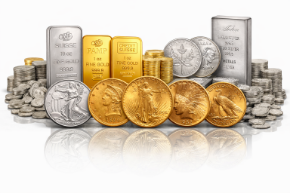
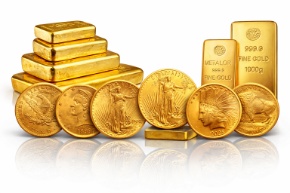
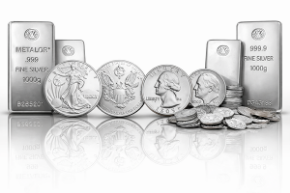
In contrast, tangible assets like physical gold and silver have inherent limitations in supply. This makes them fundamentally different and far more reliable for wealth preservation.
Gold, Oil, and Extreme Market Distortions
The gold-to-oil ratio provides another lens into current market conditions.
This ratio, which measures how many ounces of gold are needed to buy a barrel of oil, is currently at extreme levels, similar to those seen during the volatility of 2020.
These extremes highlight the disconnect between paper markets and physical realities.
As Lynette Zang notes, these fluctuations are driven by contracts and speculation, not by the actual movement of physical goods.
Building Real Security in an Unstable World
In an environment defined by volatility, inflation, and uncertainty, preparation becomes essential.
Lynette Zang emphasizes the importance of building security across multiple areas:
- Food
- Water
- Energy
- Shelter
- Community
- Wealth preservation
This is not just about financial assets. It is about creating resilience in everyday life.
Strong local communities, reliable food sources, and access to essential resources are critical components of true financial freedom.
The Role of Sound Money Strategies
As the current system faces increasing strain, the need for sound money strategies becomes more urgent.
Physical gold and silver offer:
- Protection against currency devaluation
- Stability during economic collapse
- Long-term wealth preservation
These tangible assets are not subject to the same manipulation as debt-based financial instruments, making them a cornerstone of any preparedness strategy.
Take Action Before the System Forces It
The patterns are clear:
- Rising geopolitical tensions
- Increasing oil price volatility
- Persistent inflationary pressures
- A weakening monetary system
History shows how these forces can converge rapidly.
Now is the time to take control of your financial future.
Learn how Zang International’s sound money strategies can help you protect your wealth, prepare for economic uncertainty, and build lasting financial security with physical gold and silver.

