



A Currency Devalued Overnight: Zimbabwe’s Wake-Up Call
On a recent Friday evening, Zimbabwean citizens held a seemingly stable amount of the new Zimbabwe Gold (ZIG) currency in their bank accounts. By Saturday morning, nearly half of that value had been erased. Without warning or public discourse, the government devalued the ZIG by 44 percent, leaving individuals with 58 percent of their previous bank balances. Meanwhile, salaries remained unchanged. So did debt obligations.
This abrupt change has sparked outrage and panic, but it also delivers a valuable and urgent lesson to the global community about the fragility of fiat currencies and the false promises that often support them.
The Illusion of a Gold-Backed Currency
Zimbabwe’s central bank introduced the ZIG with bold claims. It was marketed as a “gold-backed” currency, supposedly tied to reserves of physical gold. The government vowed not to issue more ZIG than could be supported by those reserves. Yet from the outset, there was no transparency. No official figures, no convertibility, no public accountability.
If a currency cannot be converted into the physical gold that backs it, then the backing is meaningless. True sound money must be redeemable. Otherwise, governments retain the ability to print more at will, eroding purchasing power while claiming monetary stability.
The 44 percent devaluation confirmed what many suspected. The gold backing was little more than a narrative to restore public trust. And now, that trust has been broken.
The Hidden Tax of Inflation
In tandem with the devaluation, Zimbabwe’s central bank raised interest rates from 20 percent to 35 percent. The exchange rate to the U.S. dollar collapsed. Where it once took 4,000 ZIG to purchase 1,000 dollars, it now requires 25,000 ZIG.
This dramatic shift placed the burden on the people. While officials described these changes as necessary to “anchor inflation expectations,” the reality is that the average citizen has lost purchasing power. This is inflation in action. When it happens gradually, it remains hidden. When it happens overnight, the damage is undeniable.
Although Zimbabwe has not yet met the 50 percent monthly increase that defines hyperinflation, the speed of the collapse signals that the country may not be far from it.
Local Currency Versus Sound Money
The Zimbabwe situation draws a clear contrast between fiat currency and sound money. Worthless notes from previous currency iterations, including trillion-dollar bills, are now mere relics of failed monetary policy. The ZIG appears destined to follow the same path.
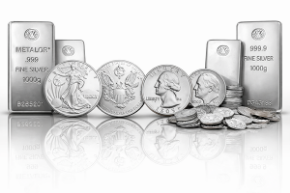
In contrast, physical gold and silver retain value globally. They are tangible assets used across all industries, and they cannot be destroyed by central bank decrees. They are sound money. They are recognized and trusted in every country, offering true wealth preservation.
The Gold Coin That Vanished
When Zimbabwe first introduced the ZIG, citizens had limited access to one-ounce gold coins. This window quickly closed. The coins were priced out of reach for most citizens, accessible only to the wealthy. Once the ZIG became the official currency, those gold coins all but disappeared from circulation.
The government insisted it would not print more ZIG than the gold it held in deep storage. However, even the central bank’s website offered no details. No calculations were released. Meanwhile, the price of gold globally soared to new highs, yet the ZIG lost value. If a currency is backed by gold, it should move in tandem with the gold price. Clearly, that was not the case.
This Can Happen Anywhere
Many may believe Zimbabwe is a unique case, but the forces that led to its monetary collapse are present in fiat systems around the world. Government overreach, unchecked central bank authority, and the erosion of purchasing power affect every nation using fiat currency.
The United States has experienced three separate currency collapses in its history. Though they did not happen in recent memory, the mechanisms were the same. Central banks attempt to fight deflation by printing more money. Inflation follows. If it accelerates, hyperinflation becomes a real threat.
The only difference between inflation and hyperinflation is the speed of the loss in value.
A Peaceful Shift Toward Sound Money
The global solution lies in sound money strategies. When individuals convert fiat currency into physical gold and silver, they exit the central bank system and regain control over their wealth.
This is not only a financial strategy. It is a peaceful revolution. Widespread adoption of sound money forces governments to act with fiscal discipline. Gold-backed money, when truly convertible, holds leaders accountable. It demands transparency.
Anyone can take action. Sound money strategies offer protection during economic uncertainty and ensure that savings are not silently devalued.
Prepare Now While You Still Can
The collapse of Zimbabwe’s currency is not an isolated event. It is a clear and present warning to all nations operating under fiat systems. Savings can be wiped out overnight. Purchasing power can evaporate in hours.
To avoid becoming a victim of the next financial crisis:
- Convert fiat into physical gold and silver
- Establish a sound money strategy customized to personal goals
- Build local community networks for support and trade
- Strengthen security in food, water, energy, and shelter
Sound money is not just a strategy. It is the foundation for lasting financial freedom.
Take Action:
The overnight collapse of Zimbabwe’s currency is a reminder that fiat systems are fragile and easily manipulated. Safeguard your wealth by converting fiat into physical gold and silver. Learn how to build a personalized sound money strategy that protects your financial future. Visit Zang Enterprises to begin securing true financial freedom today.

