

What's Happening with Gold? Understanding the Real Trends and True Value
In today's uncertain economy, everyone's asking the same question: "What's going on with gold?" The short answer involves geopolitics, inflation, and widespread economic concerns. Yet, Lynette Zang emphasizes that the real story lies deeper than these surface issues. Gold's spot market price continues to be significantly below its true fundamental value.
The Truth About Gold and Manipulation
Since the introduction of the spot gold contract in the 1970s, manipulation has consistently distorted gold's true value. Former Federal Reserve Chairman Alan Greenspan openly questioned the implications of manipulating gold prices. Why? Because a rising gold price indicates failing currency, a truth central bankers strive to conceal.
Technical Analysis: What the Charts Reveal
From a technical perspective, understanding gold involves looking at historical patterns:
- Cup formations: Each successive gold cycle shows deeper cups followed by steeper rises. Today's breakout is clearly visible and poised to continue rising sharply.
- Higher lows and higher highs: This unmistakable trend confirms that gold remains in a long-term positive trajectory.
Zang highlights the significance of recent chart activity, noting an unusual triple-top followed by a decisive breakout. Despite occasional pullbacks, common in manipulated markets, the long-term trend remains unmistakably bullish.
Purchasing Power: The Real Story
Gold's price movements are deeply connected to the purchasing power of fiat currency. Since 1970, purchasing power has drastically declined, accelerating notably since the 2007 financial crisis. Fiat currency always trends toward zero value, while physical gold consistently retains its purchasing power, underscoring the critical importance of holding tangible assets.
Expecting Short-term Pullbacks
Currently, the spot market is significantly above its 200-day moving average, a scenario likely signaling a near-term pullback. Zang identifies gaps in the charts, predicting spot gold may pull back to around $2,175 or even $2,150. However, these short-term fluctuations in spot prices rarely reflect the actual value of physical gold.
Physical Gold vs. Spot Market
The physical gold market differs markedly from the manipulated spot market:
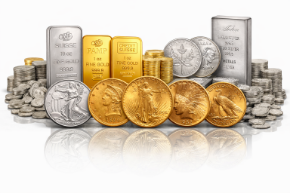
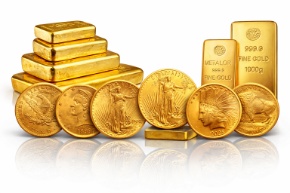
- Rare coins and pre-1933 gold: These have already broken historical price records, signaling insiders' awareness of impending currency failures.
- Lower-quality numismatic gold: Also showing positive momentum, reflecting growing demand for tangible wealth preservation.
Physical gold markets represent true supply and demand, not artificial manipulation. This makes physical gold an essential component of sound money strategies for wealth preservation.
Why Gold Remains Essential
Lynette passionately urges investors not to fall prey to market manipulation or misleading narratives. The manipulated spot market is used to discourage public ownership of gold, preserving the dominance of fiat currencies benefitting central banks and large corporations.
Gold's universal appeal lies in its intrinsic value, accepted globally and always convertible into local currency. Unlike fiat currencies, gold is immune from becoming worthless overnight.
Take Action Today
Understanding the difference between manipulated spot prices and the real value of physical gold is crucial. The current environment presents a unique opportunity for wealth preservation through gold. Act now to secure your financial future and safeguard your purchasing power.
To learn more about sound money strategies and how to effectively incorporate physical gold and silver into your financial plans, contact Zang Enterprises today.

