



The K-Shaped (Jenga) Economy Explained
We are hearing a lot today about the so-called K-shaped economy. Those at the top are doing even better, while those at the bottom are doing even worse. But the real story is not new. As Lynette Zang explains, this has been a Jenga economy for a very long time. We just do not know exactly when the final piece will be pulled and the entire structure will collapse.
The middle class, once the backbone of the U.S. economy, has been virtually destroyed. And that matters far more than many people realize.
The United States is a consumer-driven economy. For years, it depended heavily on broad-based consumer spending. Prior to 2020, the lower-income segments accounted for roughly 42 percent of all goods flowing through the economy. That number has now dropped closer to 37 percent and continues to fall. When fewer people can spend, the entire structure becomes unstable.
The question is simple and unsettling. Can an economy survive when most of its pieces are being pulled out, one by one?
Why the Destruction of the Middle Class Matters
The K-shaped economy means growing inequality, but more importantly, it means systemic vulnerability. When only a small percentage of the population is doing well, the economy rests on a very narrow foundation.
Lynette points out that while the affluent share of income continues to rise, inflation masks the fragility underneath. For those at the top, higher prices may feel manageable. Dining out and discretionary spending can continue, at least for a while. But for those at the bottom of the income structure, inflation is devastating.
These lower-income households are not just consumers. They are the foundation of the economy. They include small business owners, workers, and families who historically sustained growth. Their long-term erosion, which began around 2000, has left the system increasingly hollow.
Money Printing, Asset Bubbles, and the Illusion of Wealth
Massive money printing has created the illusion of prosperity. Once new currency is created, it does not disappear. It stays in the system and moves from asset to asset, inflating prices along the way.
As asset prices rise in dollar terms, fear of missing out pulls more people in. Markets go up, confidence follows, and many believe the system is healthy. But this is not the real trend.
The real trend is the declining value of the currency and the weakening economic foundation beneath it. The economy becomes highly vulnerable when confidence is tied almost entirely to asset markets and high-income spending.
Market Wobbles and the Confidence Trap
Why does this K-shaped structure matter so much? Because if spending is concentrated at the top, any disruption becomes dangerous.
If the stock market wobbles, high-income households feel it immediately. These households are now the last pillars supporting consumer spending. A downturn would knock the wind out of them and raise the risk of recession.
But this would not be an ordinary recession. Recessions are deflationary, and the only tool central banks use to fight deflation is more inflation. The problem is that inflation is already running hot.
This creates a trap. Rising inflation erodes confidence, and confidence is the foundation of the entire financial system. As Lynette explains, the system is built on confidence. It requires constant infusions of new money. Over time, the more money that is printed, the less effective it becomes, especially for those at the bottom.
Rising Costs Are Crushing Consumers
Higher energy and food costs hit lower-income earners the hardest. When people must spend more just to eat and commute, discretionary spending disappears.
Retail sales cool. Consumer sentiment weakens. Job market worries grow. People can live without toys and luxuries, but they cannot live without food. As food becomes the single biggest issue, dependence on assistance programs like SNAP increases.
Even these programs are not guaranteed. Historically, Lynette notes, around 80 percent of the population ends up in abject poverty during hyperinflationary periods. What was once part of the American dream becomes not just unaffordable, but unattainable.
This level of economic stress can lead to social breakdown and revolution.
Hyperinflation and the Case for Sound Money Strategies
Lynette is clear. We cannot prevent the toppling of this system. A hyperinflationary depression is coming. But individuals can make choices now to prepare.
The solution is not more fiat currency. The solution is sound money strategies.
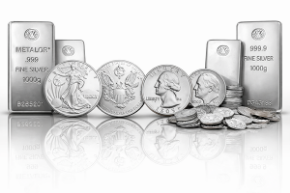
Restoring redeemable gold to the monetary system puts power back into the hands of the public. Physical gold and silver exist outside the ability of central bankers and governments to inflate away purchasing power. This is not just about wealth preservation. It is about reclaiming control.
Lynette emphasizes the importance of community and preparedness, focusing on real needs such as:
- Food, water, and energy
- Security and shelter
- Barter and local resilience
- Tangible assets for wealth preservation
If just 3 percent of the global population converts their depreciating fiat currency into sound money, it creates leverage. That small percentage can demand a seat at the table in the next iteration of the monetary system and push for redeemable gold once again.
A Call to Action: Preparing for What Comes Next
This moment is an opportunity. Not to stop what is coming, but to be ready for it.
Lynette challenges everyone to look honestly at their role. One person cannot do this alone, but together, real change is possible. Community, preparation, and sound money strategies are how individuals weather the storm and protect their financial freedom.
If you want to understand how to prepare for economic collapse, hyperinflation, and systemic failure, now is the time to learn more.
Take the next step. Explore Zang Enterprises’ sound money strategies and learn how physical gold and silver can help you preserve wealth, protect purchasing power, and prepare for the economic reset ahead.

