


Why Your Bank Deposits Are at Risk
There is a dangerous and growing misconception that money held in the banking system is safe. In truth, any money kept in a bank account is at risk. As Lynette Zang makes clear, both insured and uninsured deposits are vulnerable in today’s unstable financial landscape.
Deposits Are Legally Loans to the Bank
When money is deposited into a bank, it becomes a loan to that institution. Legally, the funds no longer belong to the depositor. The bank has full control. Many people have already encountered blocked wire transfers or withdrawal refusals. These experiences are no longer rare and point to a larger problem. Control is shifting away from the public and into the hands of centralized institutions.
FDIC Insurance Is Not What It Seems
The FDIC’s Deposit Insurance Fund (DIF) is severely underfunded. As of March 2024, it held only $5.3 billion. That amounts to just over one penny for every dollar it claims to insure. Meanwhile, problem banks are on the rise and uninsured deposits have now surpassed insured deposits. This means that even insured depositors face serious risk. If multiple banks fail, there is not enough money in the DIF to cover losses.
Uninsured Deposits Endanger the Whole System
Uninsured deposits, often referred to as “hot money,” are typically large corporate or fintech funds that can be withdrawn quickly. In contrast, individual depositors tend to hold “sticky money” that stays in place. During periods of financial stress, hot money is the first to flee. This leaves sticky money even more vulnerable. The collapse of Silicon Valley Bank and other regional banks in 2023 made this clear. The FDIC stepped in and covered uninsured deposits to prevent panic. That choice protected the system’s image, but at a great cost to its actual resources.
Fintech Failures Prove the Danger
The bankruptcy of Synapse, a financial technology platform, froze nearly $160 million in user funds. Some users have been unable to access their money since May 2024. Many were misled to believe their funds were insured. This is not just a fintech issue. It is a reflection of how unstable the broader banking system has become. Consumers who trust their money to digital platforms are now discovering the hard way that those funds can be locked up with no resolution in sight.
The Banking System Is Deeply Vulnerable
According to FDIC data:
- 97 banks have uninsured deposits exceeding 50 percent of total deposits, putting them at high risk for a run.
- 63 banks have commercial real estate exposure greater than 300 percent of capital. This is considered dangerously excessive.
Even major institutions such as JPMorgan Chase, Bank of America, and Wells Fargo appear on FDIC reports for elevated liquidity risk. The issue is not limited to small banks. It is systemic and widespread.
Central Bank Policies Fuel the Instability
Since 2008, central banks have flooded the global economy with free money. These policies inflated stock and real estate markets and encouraged reckless risk-taking. The explosion in uninsured deposits began after 2013 and can be directly tied to these monetary policies. Despite the clear consequences, central banks refuse to accept blame and continue to use the same failed tools such as zero interest rates and money printing.
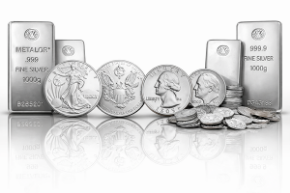
Physical Gold and Silver Offer Real Protection
In every major financial crisis, physical gold and silver have outperformed fiat currencies and provided real security. Tangible assets cannot be frozen, digitally devalued, or manipulated through central bank policies. Since 2008, gold has consistently delivered strong downside protection in markets around the world, including Switzerland, which many once viewed as the safest financial system.
A sound money strategy built on physical gold, silver, and cash creates financial independence. It ensures that if part of the system fails, individuals and families still have access to usable wealth.
Convenience Is a Trap
Digital convenience is used as a tool to lure people into complete financial dependency. When all wealth is held on a phone or in digital accounts, a single restriction or freeze can lock out access entirely. This has already happened to millions. Those who rely on cash and physical metals outside the system remain functional, even when banks go dark.
What Can Be Done Now
Waiting for the system to collapse is not an option. The FDIC is underfunded, the number of problem banks is growing, and central bank policies are only making matters worse.
The solution is a layered sound money strategy.
Build reserves of physical gold and silver. Keep cash outside of the system. Diversify wealth into forms that cannot be frozen or digitally erased.
Secure your financial future with real, tangible assets and a strategy that protects against any outcome. Sound money is not just protection. It is freedom. Prepare now.

