


The conversation around Bitcoin becoming a U.S. reserve asset is heating up, with bold promises and even bolder risks. In this video, Lynette Zang dives deep into this latest proposal and exposes what’s really at stake.
The Proposal: A U.S. Bitcoin Reserve
During the 2024 Nashville Bitcoin Conference, Senator Cynthia Lummis of Wyoming introduced a plan to make the federal government a Bitcoin investor. The idea is that it could support the value of Bitcoin and potentially create a new asset market.
But Lynette Zang sees through the marketing. According to her, this is not revolutionary. It is just another move by the government to maintain control over financial markets and keep everyday people locked inside a rigged system.
Another Chapter in Market Manipulation
Lynette recalls Black Monday in 1987, when markets crashed 25 percent in a single day. In response, the government created the Plunge Protection Team to artificially support the markets.
This trend has continued ever since:
- The government intervenes in the stock market
- It supports the bond market
- It backs the derivatives market, which is essentially just a system of big, risky bets
The proposal to establish a U.S. Bitcoin Reserve follows the same pattern. It would allow the government to prop up Bitcoin while keeping the public under closer financial surveillance. This is not about innovation or protecting taxpayers. It is about control.
Is Bitcoin Really Outside the System?
Many people believe Bitcoin is independent of traditional financial institutions. Lynette pushes back on that idea.
"If you think Bitcoin is outside of the system," she says, "I’ve got a bridge in Brooklyn to sell you."
Wall Street has already embraced Bitcoin. So have parts of the federal government. Cryptocurrencies like XRP and Tether are gaining support from central banks and Washington. These are not outsider assets. They are being brought inside the system deliberately.
And nobody knows which cryptocurrencies will survive the coming transition. Bitcoin may be among them. But the truth is, these remain high-risk assets.
The Illusion of Tangible Value
Most images of Bitcoin show it in the form of a gold, silver, or platinum coin. This is intentional.
“They want you to believe it has real value,” Lynette explains, “but you can’t hold it. It’s not real.”
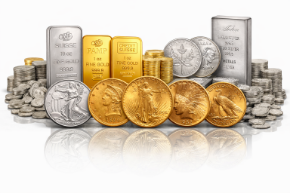
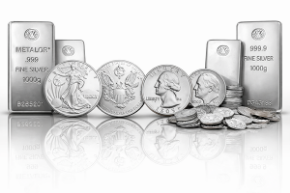
By contrast, gold and silver are tangible. You can hold them in your hand. They have proven their worth over thousands of years. Bitcoin and other cryptocurrencies have only been around since 2009. They have yet to endure a full-scale financial crisis or hyperinflationary collapse.
Lynette also raises another concern. Cryptocurrency mining consumes a tremendous amount of energy, which directly conflicts with global energy transition efforts.
Lynette’s Current Position on Crypto
Lynette Zang has never owned cryptocurrency.
Will that remain true forever? Probably not, she says. But when she does decide to enter that space, she will be transparent and explain her reasons.
Until then, she is sticking with physical gold and silver, because these are the foundation of real wealth preservation and sound money strategies.
If You Don’t Hold It, You Don’t Own It
Digital assets may be trendy, but trends do not protect wealth. Tangible assets do.
When you hold gold or silver, you own something real. When you hold Bitcoin, you hold a belief. Beliefs do not hold up in court or during financial collapse. Physical metals do.
Ready to Secure Real Wealth?
If you haven’t put your sound money strategy in place yet, now is the time. Speak with one of our Strategy Specialists to build a personalized plan based on physical gold and silver that protects your financial future.
Together, we can build real financial freedom that lasts.

