
The Tariff Wars and the Hidden Battle for Power
We all see what’s happening between the United States and China. The tariff wars are not ending anytime soon and beneath the headlines, a deeper financial battle is unfolding. Many believe that China now holds the upper hand, and for good reason.
China controls over 70% of the world’s rare earth materials, which are essential for technology, defense, and industrial production. These resources give them tremendous leverage, not just over the U.S., but over the entire global supply chain.
But that’s not their only advantage. China is also the world’s largest gold producer and that position gives them real power in shaping the future of the global financial system.
China’s Gold Ambition
As gold prices surge, China appears ready to assert itself financially while resistance from the West is at its weakest. The Shanghai Gold Exchange has expanded globally, extending the reach of the Chinese yuan into international trade at a time when the world is moving toward dedollarization.
This shift is significant. As nations reduce dependence on the U.S. dollar, the demand for tangible assets like gold rises. Gold has always been the anchor of monetary stability—and China knows that.
When you follow the flow of gold, you can see the story clearly. Central banks across the BRICS nations—China, Russia, and India—are buying record amounts of gold. That’s not coincidence. It’s a coordinated strategy to prepare for a new global financial order.
A Gold-Backed Future?
Could this accumulation lead to a gold-backed currency? History says yes. Every major currency system eventually returns to a gold standard when debt and inflation spiral out of control.
Lynette Zang warns that before such a reset, the existing debt must first be inflated away through hyperinflation. Only then can a new system begin with a clean slate.
When that happens, gold must be redeemable by the public. That’s the key to accountability. If citizens don’t like what their government or central bank is doing, they can withdraw their gold from the system. That’s financial sovereignty in action.
This is the time for the public to take back their power by converting paper, fiat currency into sound money that cannot be printed, manipulated, or inflated away.
How Much Gold Does China Really Have?
Here’s the truth: nobody knows exactly how much gold China holds. The official reports from the People’s Bank of China show one number, but when you add up domestic production and imports, the math doesn’t add up.
China is both a major producer and importer of gold, meaning their actual reserves are almost certainly far higher than they admit publicly. Combined with Russia and India, their collective holdings could easily rival or surpass the U.S.
And yet, we haven’t had a verified audit of the U.S. gold reserves in Fort Knox in decades. The silence speaks volumes.
The Rise of Eastern Monetary Independence
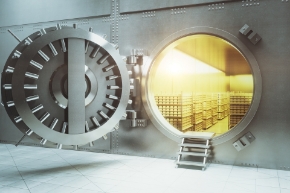
Asian central banks are moving quickly to insulate themselves from Western financial instability. They’re not just buying gold they’re keeping it at home, no longer stored in New York or London vaults.
Why? Because as Lynette Zang reminds us, if you don’t hold it, you don’t own it.
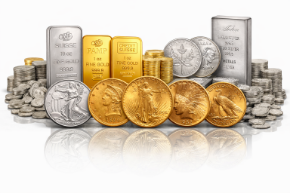
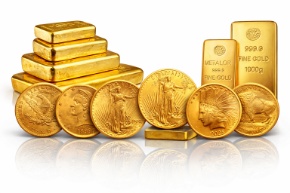
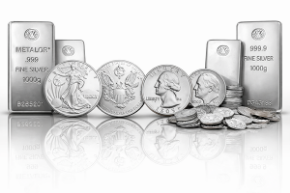
When the system resets, paper promises and electronic claims won’t matter. Only physical gold and silver real, tangible assets held in your possession will preserve value through the transition.
Gold: The Ultimate Power
Gold is the ultimate monetary power because it’s more than just a store of value—it’s an indispensable industrial metal used across every sector of the global economy.
Unlike fiat currencies, which are based on confidence and control, gold has universal demand. It’s the foundation of every sound money system throughout history.
This isn’t complex economics. It’s simple truth: gold is your protection, your financial “bazooka” in a world of collapsing systems and paper illusions.

