



Let the Mergers Begin
As banking deregulation expands, we’re watching a wave of mergers and acquisitions unfold across the financial system. Lynette Zang highlights one striking example: Fifth Third Bank’s $10.9 billion all-stock purchase of Comerica, creating the ninth-largest bank in the country.
While mergers and acquisitions are often presented as progress, they come with a hidden cost. The fewer banks that exist, the more concentrated the risk becomes and the fewer options depositors have to avoid that risk.
Deregulation and Big Bank Power
Michael Barr, a key regulatory voice, sees this new round of big bank deregulation as a serious threat to smaller community banks. These local institutions are vital to the real economy, but they simply can’t compete with the deep pockets and massive leverage of the “too big to fail” banks.
Lynette reminds us that none of this is about sound money. Deregulation may make the financial system appear stronger, but it actually increases systemic fragility. The smaller banks that support local businesses are being absorbed or left behind, concentrating control in the hands of a few massive players.
FDIC Oversight and Deposit Risk
The FDIC has announced it will refocus U.S. bank oversight on “material risks.” That sounds reasonable until you realize it means less comprehensive supervision and more exposure for ordinary depositors.
The FDIC holds barely more than one penny for every insured dollar in deposits. When bank failures occur, anything not insured can be used to absorb losses under bail-in laws. So far, that’s been applied at about 50% in the U.S., but Lynette warns we could easily see that reach 100% when regulators are ready to make the risk public.
Even the FDIC’s own committee has been caught laughing about the fact that the public doesn’t really understand bail-in risk. And that’s exactly why, as Lynette emphasizes, it’s so important to hold sound money physical gold and silver outside of the system.
If you don’t hold it, you don’t own it.
Hypothecation: How Banks Use Your Deposits
Few depositors realize that banks can legally use their deposits for their own gain through hypothecation. When banks leverage your equity, you carry the risk but they keep the rewards.
In 2008, banks were bailed out while the public suffered the losses. The same structure remains today. Depositors are still the backstop of a highly leveraged system.
Weakening Oversight and Moving Goalposts
At the same time deregulation expands, Treasury Secretary Bessant argues that asset thresholds should be “substantially increased.” That means the biggest banks can grow even larger without tripping regulatory alarms.
Policymakers are using inflation to justify these changes. Inflation makes markets appear strong stocks, crypto, even gold and silver but as Lynette notes, it’s not that assets are truly rising in value; it’s that the currency is collapsing in purchasing power.
There was a time when becoming a millionaire meant true wealth. Today, even billionaires can be cash-strapped. The numbers have grown, but the value behind them has not.
Inflation Redefines Wealth
As inflation distorts perception, regulators shift the goalposts to maintain appearances. The financial system looks stable on the surface, but the foundation is eroding.
Lynette warns that depositors are facing greater danger than ever whether they realize it or not. And while many continue to trust the system, Wall Street is quietly preparing for something different.
Gold and Silver: The Foundation of Sound Money
Even Morgan Stanley has begun recommending that investors hold 20% of their portfolio in gold and silver a massive departure from traditional Wall Street advice. For decades, diversification meant stocks and bonds. But as Lynette points out, those assets are all tied to the same fiat system.
If everything is denominated in the same failing currency, you’re not truly diversified.
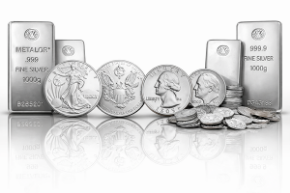
Real diversification means holding tangible assets physical gold and silver that exist outside the banking system. That’s sound money.
Lynette emphasizes that everybody needs a foundation of sound money. At Zang Enterprises, the Sound Money Strategy is designed in layers to meet people where they are, helping them build lasting protection against systemic risk.
Even a 20% allocation is a start but as Lynette says, when you know what’s coming, limiting yourself to 20% in sound money sounds like crazy talk.
The tides are shifting. Even mainstream voices are beginning to admit that physical gold and silver are essential for true diversification and wealth preservation.
And remember: If you don’t hold it, you don’t own it.
Final Thoughts: Protect What You’ve Built
The growing concentration of banking power, weakening oversight, and inflation-driven illusions all point to one truth the system is not built to protect you.
Now more than ever, sound money strategies using physical gold and silver are essential to preserve your wealth and safeguard your financial freedom.
Learn more about how Zang Enterprises can help you prepare for what’s ahead with tangible assets that stand outside the failing system.

