


America’s Debt Binge: $125 Billion in a Week
Last week, the U.S. government’s borrowing binge began with over $100 billion in a single 4-week bill auction. On top of that came $58 billion in 3-year notes, $42 billion in 10-year notes, and $25 billion in 30-year bonds $125 billion in new debt in just one week.
But this is only the beginning. The balloon is inflating at a dangerous pace.
Trouble in the Bond Market
At the August 7th 30-year bond auction, yields spiked to 4.8%, the highest since 2007 as the financial crisis unfolded. The bid-to-cover ratio dropped to its lowest level since late 2023. Translation? Demand is weakening, and fewer big players want a ticket on this risky ride.
Former Treasury secretaries from the 2008 crisis even admitted:
- “Our borrowing path is unsustainable.” – Hank Paulson
- “Yields are modest now only because people still trust the system.” – Timothy Geithner
Trust, however, is fragile. In 2008, confidence evaporated in 24 hours. And the balloon today is far larger and far weaker.
Global Stress and Shifting Alliances
Trade tensions are adding even more strain. Tariffs on Swiss gold exports rattled markets, while sudden 50% tariffs on Indian imports shattered trust with a longtime partner. China quickly sided with India, using the disruption to strengthen ties and shift alliances.
These shocks shake global faith in U.S. debt and the dollar itself.
Who Will Buy U.S. Debt?
With foreign demand slipping, the question looms: Who will buy America’s ballooning debt?
- China and Japan, the two largest Treasury holders, have been cutting back since 2013.
- Central banks may refuse altogether.
- Dealers are pulling back.
The risk is quietly being shifted to 401(k)s, retirement accounts, and the American public. If auctions falter, the Federal Reserve may have to step in again buying Treasuries, printing more money, and blowing air into a balloon that’s already leaking.
Central Banks Know the Truth
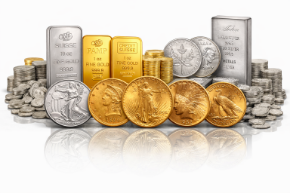
While the U.S. pumps out debt, global central banks are stockpiling gold. In June alone, they purchased 22 tons of gold the third consecutive month of rising net purchases.
Why? Because gold is their lifeboat. Unlike fiat currencies, gold doesn’t rust, tarnish, or depend on anyone’s promise. Across centuries and through more than 4,800 currency crises, gold has preserved value and purchasing power.
Building Your Lifeboat: A Sound Money Strategy
When the balloon leaks, you don’t jump into shark-filled waters—you build a raft. That’s exactly what we do at Zang Enterprises with our sound money strategies, which are layered to protect your financial freedom:
- Barterability – Preserve your current standard of living.
- Wealth preservation – Safeguard your fiat money savings with tangible assets.
- Debt management – Maintain the ability to pay off obligations before the system resets.
- Opportunity positioning – Prepare to take advantage of valuation flip-flops after a collapse.
- Community resilience – Build networks in food, water, energy, security, and shelter.
Because money means nothing if you cannot eat.
Diversification Is Key
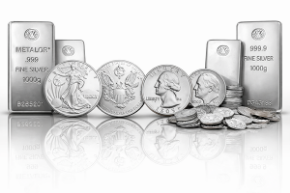
Stocks and cryptocurrencies may look appealing in the melt-up phase, but they are designed to keep you trapped when the reset comes. Without diversification into physical gold and silver, you risk losing everything in the hyperinflation event that resets the system.
Gold remains undervalued while digital assets are inflated to capture attention and adoption. But remember the balloon is leaking. No amount of air can make it whole again.
The lifeboat is gold, silver, community, and smart diversification.

