

The U.S. Debt Problem Is Growing
The United States now owes more in fiat debt than the entire annual value of what our economy produces. Recently, lawmakers passed what some call the “big beautiful bill,” but critics argue it is really just piling trillions more onto America’s credit card, debt that will burden future generations.
Understanding both personal and national credit is more important now than ever. Just as individuals are judged by a FICO score, nations are judged by global rating agencies. And when those scores slip, the cost of borrowing rises for everyone.
How Credit Scores Work: Individuals vs. Nations
When you apply for a car loan, your credit score determines the interest rate you receive. A strong score lowers your payments, while a weak score means sky-high costs. Your FICO score is calculated from five major factors:
- Payment history – Do you pay on time?
- Credit utilization – How much credit are you using?
- Length of credit history – How long have you had accounts open?
- Credit mix – Do you manage multiple types of credit?
- New credit inquiries – How often do you apply for more?
Nations are judged in similar ways:
- Payment history – Their record of paying back debt
- Utilization – How much of their borrowing capacity is used
- Length of history – Fiscal stability across decades or centuries
- Debt levels vs. GDP – How sustainable the borrowing is
When creditworthiness falls, interest rates rise and the ripple effects hit households, businesses, and the global economy.
U.S. Credit Downgrades: A Warning Sign
Global credit agencies like Moody’s, Fitch, Standard & Poor’s, and DBRS assign letter grades to nations, from AAA (the best) to lower ratings that signal more risk.
- In 2011, S&P downgraded the U.S. from AAA.
- In 2023, Fitch followed.
- In May 2025, Moody’s cut America’s rating to AA1 with a “stable” outlook.
The reasons are clear: rising government debt, higher interest rates, and no long-term plan to fix it. Each downgrade sends the same warning America’s fiscal house is unstable, and political gridlock is making it worse.
America’s Exploding Debt
To put it in perspective:
- 1971: U.S. debt was $412 billion, about 35% of GDP.
- 2007: Debt reached $9.2 trillion, about 63% of GDP.
- 2025: Debt now exceeds $37 trillion, 121% of GDP.
This means the U.S. owes more than the total value of its annual production. It is like every household owing more than their entire home, plus their car, and still having credit card debt on top of it.
The Impact of Rising Borrowing Costs
When a nation’s credit rating falls, yields on its government bonds rise. After the Moody’s downgrade, 30-year Treasury yields jumped above 5% levels not seen in years.
This is the government’s version of refinancing a mortgage at a higher rate. And it doesn’t stop there. Higher Treasury yields trickle down into:
- Higher mortgage rates
- Higher car loan payments
- Higher student loan costs
Moody’s has warned that if nothing changes, the U.S. deficit could grow to 9% of GDP by 2035.
Why This Matters for Financial Freedom
For decades, the U.S. dollar’s status as the world’s reserve currency made America a “safe haven” for fiat money. But repeated downgrades are like a flashing check engine light a warning that our financial engine is breaking down.
So what does this mean for you? It means inflation, rising interest rates, and eroding purchasing power. Which is why protecting your wealth with sound money strategies is no longer optional.
The Case for Tangible Assets
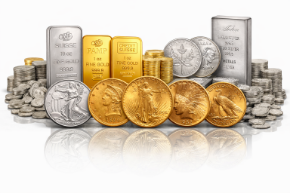
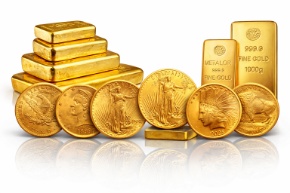
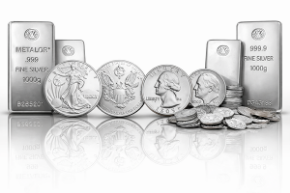
Unlike fiat money, physical gold and silver are tangible assets with no counterparty risk. When you hold them, you own value outright no middleman, no bank’s permission, no government rating agency standing between you and your wealth.
In times of debt crises, hyperinflation, or economic collapse, tangible assets have historically preserved purchasing power and offered true financial freedom.
Final Thoughts and Call to Action
America’s growing debt burden and repeated credit downgrades are not just abstract numbers. They directly impact your daily life through higher interest rates and inflation. The warning signs are flashing, and the time to act is now.
If you are ready to protect your wealth and prepare for the uncertainties ahead, explore sound money strategies with Zang Enterprises. Learn how to safeguard your financial future with physical gold and silver real, tangible assets that preserve purchasing power when fiat systems fail.
Take the first step today. Connect with a strategy specialist at Zang Enterprises and secure your path to financial freedom.

