

When most people hear “sound money,” they assume it is just a niche topic for investors or history buffs. In this conversation, Lynette Zang and sound money expert Daniel Diaz make it clear that it is much bigger than that.
Sound money is about power. It is about freedom. And at a time when Daniel says 11 states, representing 22% of the country, have passed legal tender legislation, the movement is gaining momentum fast.
But the urgency is not theoretical. Daniel points to a painful reality: 78% of Americans are living paycheck to paycheck, many without $1,000 to their name. In that environment, sound money is not just a financial topic. It becomes an economic justice issue.
The Big Wins: Gold and Silver Legal Tender Momentum Is Growing
Daniel explains that recent legislative wins brought two of the largest Republican states into the fold, making gold and silver legal tender and placing it into law. He also notes that four states have established legal tender frameworks for electronic transfers of gold and silver, emphasizing that this is not cryptocurrency. In his words, it is a regulatory structure for companies that have transferred gold and silver electronically “forever,” now being formally recognized inside legal tender systems.
Daniel describes the recent progress as “phenomenal,” even calling it a “grand slam.” And the ripple effects are reaching far beyond the U.S.
After Florida Governor Ron DeSantis signed legislation, Daniel says he received outreach from around the world, including Ireland, Germany, the UK, and Australia, with people asking how to bring sound money legislation to their own countries.
Why This Movement Exists: The System Printed Itself Into the Spotlight
Daniel credits the modern movement’s roots to the post-1971 era and specifically highlights Ron Paul for helping expose the Federal Reserve and what Daniel calls “the problem with the fiat economy.”
He makes a blunt point: the sound money movement is accelerating because governments “printed the currency into oblivion.” The more aggressively fiat expands, the more visible the damage becomes.
Lynette reinforces the core injustice: governments can create currency at minimal cost, then issue debt against it, and the public is required to pay interest on that debt. The outcome is predictable. The value declines, and it is not accidental.
Sound Money vs Currency: The Simple Definition Most People Never Learn
Lynette calls out a major issue: money is not taught in schools, and the system benefits when people do not understand it.
Daniel offers a simple framework that most economists agree on:
The Three Characteristics of Money
- Medium of exchange
- Unit of account
- Store of value
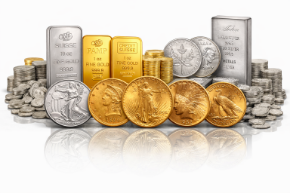
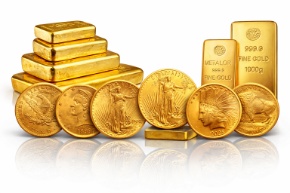
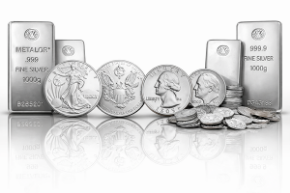
Daniel says the third characteristic is what truly separates money from currency. Gold and silver, in his view, qualify as money because they store value over long periods, even “for millennia.” Fiat currencies like the dollar, euro, yen, and others do not, because inflation destroys purchasing power.
Daniel defines inflation plainly: inflation is theft, the stealing of your time and economic energy.
To make it simple, he uses an analogy. The Mona Lisa is priceless because it is scarce. If you could replicate it perfectly a million times, its value collapses. Daniel argues fiat operates similarly: the more currency is created, the less purchasing power each unit holds.
Lynette connects the dots: citizens lost the ability to hold governments accountable once they gave up convertibility into real money. That is why redeemability matters.
The Debt Trap: Why the System Is Designed to Collapse
Daniel argues that the debt-based currency structure is self-destructive. He describes it as a “Ponzi scheme” where paying off the national debt would effectively destroy currency because currency is created through debt. In his view, it is a perpetual structure that eventually collapses under its own weight.
He points to global shifts he believes are part of that breakdown, including:
- BRICS nations moving away from U.S. Treasuries
- Central banks buying gold, and even silver
- A growing move toward a digital system tied to real-world assets
Lynette responds with a critical warning: digitizing assets is not the same as backing currency. If it is not redeemable, it is marketing, not sound money.
The Digital Future: “Backed” Only Matters If It’s Redeemable
Daniel believes the future economy will be digital, but he stresses that asset-backed digital currency must be redeemable in amounts ordinary people can actually use.
He contrasts systems that require redemption in very large quantities with those offering more practical thresholds. His underlying point is straightforward: if the common person cannot realistically redeem, then the system does not restore citizen power.
And Lynette adds the real-world test: “If you don’t hold it, you don’t own it.” She warns that digitization can also create more collateral for banks, even when the assets originated from citizens.
Confiscation Risk: Why History Matters
The conversation turns to confiscation, and Lynette brings hard historical context: gold has been confiscated three times in the U.S.
Daniel acknowledges the concern and mentions that some states have included anti-confiscation language, citing Missouri and noting Texas has similar language. Still, he is blunt: governments can coerce legally, and confiscation remains possible.
This is where the discussion moves into why collectibles and jewelry mattered historically. Daniel explains that collectibles and jewelry were exempt from confiscation, and he shares that he has been grading coins, building collections, and incorporating numismatics into his broader approach.
Lynette notes her own early exposure to how people held gold discreetly during times when ownership was restricted, and both emphasize how critical it is to understand how these “pieces work” during transitions.
Daniel Diaz’s Personal Story: A Real Example of What Happens When the State Takes Everything
Daniel shares why this is deeply personal. His family fled Cuba after the communist government confiscated businesses, land, and assets. He describes rationing, informants, arrests for violating ration limits, and how his family arrived in the U.S. with nothing but the clothes on their backs.
He credits America’s opportunity and his grandfather’s hard work for rebuilding a life, then explains why he committed himself to preventing that kind of outcome in his own country.
For Daniel, sound money is not just about wealth. It is about safeguarding liberty.
How Citizens Can Actually Help: A Practical Roadmap for Action
One of the most valuable parts of this conversation is the practical guidance. Daniel emphasizes that the key is relationships. Start with any connection you have to elected representatives, then educate them on what sound money is and why people are struggling.
Daniel’s “Impact” Metric for Contacting Officials
- Email: represents about 50 votes
- Phone call: 100 to 200 votes
- Handwritten letter: about 1,000 votes
- In-person lobbying: about 5,000 to 10,000 votes
He says legislators consistently told him handwritten letters are the most memorable and often kept and answered.
Lynette acknowledges that taking action can feel intimidating, but Daniel reminds viewers legislators are normal people. Build relationships, meet them, have coffee, and be persistent. The squeaky wheel gets the oil.
They also discuss a two-pronged approach:
- Grassroots pressure from citizens
- Top-down influence through fundraising and leadership access
Daniel is clear: donations are not buying votes. They are buying access, and in politics, access matters.
A Warning for Florida and Texas: Legal Tender Laws With “No Teeth”
Daniel explains a serious issue inside the Florida and Texas laws. A late-added provision restricted what qualifies as legal tender to items with only a mintmark, weight, and purity, and “no other designs or other information.” That creates a major problem because many bullion products include markings, and even serial numbers could disqualify bars.
He says Florida’s law does not take effect until July 1, leaving time to fix it. Texas, however, meets every other year, so the issue could linger unless a special session is called.
Daniel urges viewers in those states to call legislators and bill sponsors, stressing: it is law now, but it must be amended to work.
The Core Message: If Not You, Who? If Not Now, When?
Lynette brings it back to the human side. Doing nothing is a choice. And the cost is not only today’s purchasing power. It is the future opportunities of children and grandchildren.
Daniel agrees: people know something is wrong, but they do not understand why. That is why education is essential, and why building a parallel sound money economy alongside the fiat system matters.
Because when citizens can save and circulate gold and silver that preserve purchasing power, they regain a form of voting power that fiat systems remove.
Call to Action: Build Your Sound Money Strategies Before the System Forces Your Hand
Fiat systems do not fail overnight, but they fail by design, one step at a time, until the public can no longer ignore the loss of purchasing power and freedom.
If you want to protect your financial future, do not wait for the next rule change, bank restriction, or policy shift to make the decision for you. Start learning and implementing sound money strategies that prioritize tangible assets like physical gold and silver for real wealth preservation, financial freedom, and economic collapse preparation.
Visit lynettezang.com to learn more about Zang Enterprises’ sound money strategies and how to position yourself with physical gold and silver while you still have choices.

