
Iran Conflict Escalates: What It Could Mean for Markets and Your Money
Geopolitical tensions have once again moved to the forefront of global markets. According to Lynette Zang, the recent escalation involving Iran could carry consequences far beyond the immediate military action. What may appear to be a targeted and contained operation could ultimately trigger broader economic disruption.
While the strike itself may have looked precise and surgical, Lynette Zang warns that such actions can create ripple effects that reshape global markets, alliances, and financial systems. For investors and savers, understanding these dynamics is critical for protecting wealth and maintaining financial freedom in uncertain times.
Why the Strait of Hormuz Matters to the Global Economy
One of the most significant differences between recent geopolitical operations and the current situation with Iran is geography and global trade.
Unlike other conflicts, Iran sits next to one of the most important economic chokepoints in the world: the Strait of Hormuz.
This narrow waterway is essential to global commerce, particularly energy markets. A disruption or closure of the strait could have immediate consequences:
- A sharp spike in oil prices
- Severe supply chain disruptions
- Accelerating global inflation
- Increased risk of broader military conflict
Markets reacted quickly, with oil prices spiking as the situation developed. According to Lynette Zang, this is a reminder that geopolitical tensions often translate directly into economic instability.
The impact does not remain limited to a single region. Countries across the globe rely on energy shipments passing through the Strait of Hormuz, meaning a prolonged disruption could affect economies worldwide.
Escalating Tensions and the Risk of Wider Conflict
As the situation evolves, the risk of a wider conflict continues to grow. Iran has already threatened retaliation against the United States, Israel, and potentially neighboring countries.
Such developments increase the possibility of multiple nations becoming involved in the conflict.
According to Lynette Zang, this creates a future that is increasingly difficult to predict. Rising military tensions, shifting alliances, and retaliatory actions can escalate rapidly, creating an environment where both markets and currencies become more volatile.
These uncertainties reinforce the need to return to financial fundamentals.
War, Money Printing, and Rising Inflation
Historically, war has often been used to justify large increases in government spending. This spending frequently leads to money creation and higher levels of debt.
Lynette Zang highlights an important distinction between two types of debt:
Self-Liquidating Debt
This type of debt is used to generate income.
For example, borrowing money to expand a business can attract more customers and produce revenue that ultimately pays off the debt.
Non-Self-Liquidating Debt
War spending falls into this category.
Governments may spend billions building weapons or deploying troops, but that spending does not generate revenue to repay the debt.
Instead, it must be funded through:
- Increased borrowing
- Taxpayer funding
- Money creation
This process can accelerate inflation, particularly when confidence in the financial system is already fragile.
Market Volatility and Precious Metals
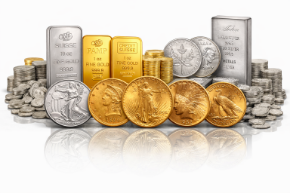
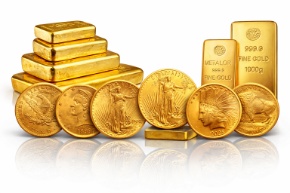
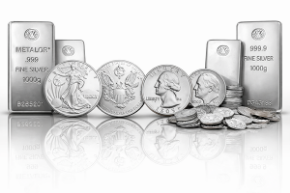
During periods of economic uncertainty, investors often turn toward precious metals.
Lynette Zang notes that despite recent market corrections, both gold and silver remain significantly above their long-term averages.
For example:
- Silver recently traded more than 68 percent above its 200-day moving average
- Gold remained roughly 35 percent above its 200-day moving average
Short-term price fluctuations can occur for many reasons, including margin calls in other markets. When stock markets or bond markets decline, investors sometimes sell gold or silver contracts to raise cash.
However, these moves often reflect short-term trading pressures rather than long-term fundamentals.
The Difference Between Paper Markets and Physical Metals
One of the most important distinctions Lynette Zang emphasizes is the difference between paper contracts and physical precious metals.
Paper markets allow for virtually unlimited trading of contracts. In contrast, the physical supply of gold and silver is finite.
This supply constraint becomes especially important during periods of economic stress, when demand for tangible assets can rise rapidly.
Silver, in particular, is used in dozens of industries across the global economy. Its industrial demand, combined with its role as money, makes it highly sensitive to shifts in economic conditions.
Why Gold and Silver Have Endured Through Every Crisis
Gold and silver have served as money for thousands of years. According to Lynette Zang, their longevity is not tied to any particular government or political system.
Instead, they have survived through:
- Wars
- Currency collapses
- Economic crises
- Monetary resets
Unlike fiat currencies, which are created by governments or central banks, gold and silver are naturally scarce tangible assets.
Lynette Zang highlights a key principle:
Every fiat currency created by governments has ultimately lost its value when confidence in the system disappears.
In contrast, gold and silver have historically maintained purchasing power over time.
The Importance of Tangible Assets in Uncertain Times
According to Lynette Zang, one of the greatest risks investors face today is holding all their wealth inside intangible financial systems.
These include:
- Stock markets
- Bond markets
- Currency markets
- Private equity markets
- Money market funds
If these systems impose restrictions or liquidity limits, individuals may lose access to their own funds.
This is why Lynette Zang encourages individuals to build layered sound money strategies that include tangible assets such as physical gold and silver.
These strategies are designed to preserve purchasing power and maintain financial flexibility during periods of systemic stress.
What the Bank for International Settlements Says About Gold
Even central banking institutions recognize the unique role of gold in the financial system.
According to research from the Bank for International Settlements (BIS), gold possesses several key characteristics:
- It is durable and imperishable
- It carries no counterparty risk
- It has historically served as an inflation hedge
- It performs well during highly adverse economic scenarios
Unlike currencies or debt instruments, gold held directly is not dependent on another institution's promise to pay.
Preparing Financially for Uncertain Times
With geopolitical tensions rising and economic instability increasing, Lynette Zang stresses the importance of preparation.
Waiting for perfect market conditions may leave investors with fewer options if access to physical metals becomes limited during a crisis.
According to Lynette Zang, building a comprehensive strategy early provides greater flexibility and protection in the face of unpredictable global events.
Take Control of Your Financial Future
Economic instability, geopolitical conflict, and rising inflation can create enormous challenges for savers and investors. But with the right preparation, individuals can take steps toward financial freedom and wealth preservation.
Learning how to implement sound money strategies using physical gold and silver can help protect purchasing power and reduce exposure to fragile financial systems.
To learn more about how tangible assets can help you prepare for economic uncertainty and potential currency instability, connect with the experts at Zang International and discover how to build a strategy designed for long-term security.

