



Supreme Court Ruling Sparks New Tariff War: What It Signals for Inflation, Markets, and Economic Stability
Lynette Zang often explains the global financial system through powerful imagery. In this case, she compares today’s economy to a massive concrete dam holding back a rising reservoir.
From a distance, the structure appears strong and stable. But up close, the warning signs are clear. Hairline cracks are forming. Small fractures are letting water seep through. The pressure behind the wall is building.
According to Lynette, the global economy is now showing those same cracks. Slowing growth, rising prices, legal uncertainty, and geopolitical tension are all putting increasing stress on a fragile system.
And the recent Supreme Court ruling on tariffs may have just widened those fractures.
Slowing GDP, Rising Prices, and Falling Purchasing Power
One of the first warning signs is the growing disconnect between income and inflation.
While official narratives suggest inflation is easing, Lynette emphasizes an important distinction. What policymakers often mean is that the rate of inflation is slowing, not that prices are falling.
At the same time:
- GDP growth is slowing
- Income gains are falling behind inflation
- Affordability is becoming a growing concern for households
The result is a decline in economic confidence.
According to recent data cited in the discussion, 46 percent of Americans say high prices are eroding their finances. This marks seven consecutive months above the 40 percent threshold, a sign that the strain on consumers is persistent rather than temporary.
Sentiment has also dropped sharply compared with the previous year. For Lynette, these signals reflect something deeper than statistical trends.
They reflect lived experience.
When everyday people feel the pressure of rising costs while their incomes lag behind, confidence in the financial system begins to erode.
The Supreme Court Tariff Ruling and the Rise of Legal Uncertainty
Last week’s Supreme Court decision added another layer of instability.
The Court struck down tariffs previously implemented under the Trump administration. However, it did not resolve one key question: whether importers are entitled to refunds for tariffs already paid.
That issue has been left to lower courts to determine.
This creates a prolonged period of legal uncertainty that could last years.
If refunds are ultimately granted, the potential liability could reach $170 billion, more than half of the total tariff revenue collected.
Rather than providing clarity, the ruling may have opened the door to prolonged litigation and policy confusion.
Markets initially celebrated the decision. But according to Lynette, the deeper implications reveal something very different.
This is not resolution. It is chaos.
Tariffs Are Not Ending. They Are Changing Lanes
Despite headlines suggesting tariffs are disappearing, Lynette argues that the reality is far more complicated.
Even if one legal pathway for tariffs is removed, several others remain available to policymakers.
In fact, seven different tariff mechanisms can still be used, each with its own triggers, bureaucratic processes, and legal risks.
Within hours of the Supreme Court ruling, the administration shifted strategies.
New tariffs were announced under different legal authorities, including:
- Section 232
- Section 122
The result was the rapid introduction of a new global tariff framework, increasing tariffs to 15 percent on certain imports.
In other words, tariffs did not end. They simply shifted direction.
For businesses, retailers, and consumers, this creates ongoing uncertainty around pricing, supply chains, and long-term planning.
Geopolitical Risks Add More Pressure to the System
Economic instability is only part of the picture.
Lynette warns that geopolitical tensions are rising simultaneously, creating additional pressure on the global economy.
Energy prices are already at their highest levels in five months. If conflicts escalate or key shipping routes become disrupted, inflationary pressures could accelerate even further.
In such a scenario:
- Supply chains could tighten
- Energy costs could surge
- Global trade disruptions could intensify
Layering geopolitical instability on top of economic fragility increases the risk that small cracks become structural failures.
Collapsing Confidence: Echoes of 2008
Confidence plays a central role in the stability of any financial system.
According to Lynette, two ingredients are required for the modern financial structure to function:
- New money entering the system
- Public confidence in the system
Both are now showing signs of strain.
Major financial leaders have begun sounding similar warnings. Jamie Dimon recently commented that the current environment feels reminiscent of the conditions leading up to the 2008 financial crisis.
Structural failures rarely occur in a single dramatic moment. Instead, they develop gradually.
First come the small cracks. Then the seepage. Eventually, the fractures widen until the system can no longer hold.
The Shift Toward a New Monetary System
Lynette believes the current instability signals a broader transition already underway.
The world is moving from a system dominated by paper markets and digital financial structures toward one where physical assets regain importance.
This shift is also occurring alongside the rise of digital currencies, which many governments are developing as part of the next financial framework.
At the same time, global markets remain heavily dependent on intangible assets, digital entries, and complex financial instruments.
During periods of structural stress, these intangible assets can become highly volatile and difficult to exit quickly.
Why Physical Gold and Silver Remain the Foundation of Sound Money Strategies
Throughout financial history, Lynette notes that the assets that survive systemic resets share one characteristic.
They have intrinsic value.
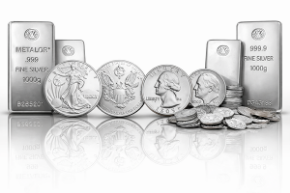
Physical gold and silver have served as anchors of stability during countless monetary failures, currency collapses, and economic transitions.
Their value does not depend on:
- Court rulings
- Political cycles
- Policy decisions
- Market sentiment
Instead, they carry weight, substance, and global demand.
Gold in particular has historically functioned as the anchor when confidence disappears. Silver often acts as an early signal that stress is building within the system.
That is why both metals play a central role in sound money strategies focused on wealth preservation and financial freedom.
Prepare Before the Break
Lynette emphasizes that preparation must happen before systemic stress becomes obvious to everyone.
When financial crises reach the public’s full awareness, the opportunity to prepare often disappears quickly.
History has shown this repeatedly, including during the 2008 financial crisis.
Rather than reacting to panic, the goal is to build resilience ahead of time by securing assets that exist outside the fragile financial system.
A strong preparation strategy may include:
- Tangible assets such as physical gold and silver
- Sound money strategies focused on wealth preservation
- Community resilience and practical preparedness
- Resources like food, water, energy, and security
These steps are designed to anchor financial stability when systems become unstable.
The Cracks Are Already Visible
Today’s environment shows multiple warning signals appearing simultaneously:
- Slowing GDP growth
- Incomes falling behind inflation
- Collapsing consumer confidence
- Legal uncertainty around tariffs
- Market volatility
- Rising geopolitical tensions
Individually, each might seem manageable. Together, they represent growing pressure behind the economic dam.
The cracks are already visible.
Take Control of Your Financial Future
Economic uncertainty is increasing across the global financial system. The most effective response is preparation built on clarity, not fear.
Zang International specializes in helping individuals implement sound money strategies using tangible assets like physical gold and silver to protect purchasing power and build long-term financial resilience.
If you want to learn how to strengthen your financial foundation and prepare for potential economic instability, connect with the Zang International team today and explore how physical gold and silver can play a role in your wealth preservation strategy.

