

The headlines might try to distract you, but the truth is impossible to hide for long. New York Community Bank Corp (NYCB), the very bank that stepped in to rescue part of the failed Signature Bank after the collapse of Silicon Valley Bank, is now reeling from its own financial crisis. This is not just about one bank. It is a warning signal, and if you think the worst is over, think again.
NYCB's Freefall Shows What Is Still to Come
NYCB shares plunged 46 percent in a single day after reporting a surprise loss tied to deteriorating credit quality and a significant dividend cut. This was not an isolated incident. It is a flashing red light for the broader banking system.
- U.S. banks are sitting on roughly 2.7 trillion dollars in commercial real estate loans, many of which are already underwater
- Borrowers are struggling to refinance at today’s much higher interest rates, while property values continue to decline
- NYCB’s credit rating was downgraded by Moody’s, reflecting the growing instability in the banking sector
Only months ago, NYCB acquired 38 billion dollars in assets from Signature Bank. That move now looks increasingly reckless.
The Risk Is Being Shifted to the Public
Wall Street's job has always been to shift risk from the few who benefit to the many who ultimately bear the cost. They bury it in ETFs, mutual funds, and complex financial instruments. Most investors do not even realize what they are holding.
NYCB’s Chief Risk Officer left just weeks before the major losses were revealed. What did he know that the public did not? If you bought NYCB stock, or if it is buried in your retirement account through funds and other Wall Street products, then you have unknowingly taken on that risk.
And this problem is not limited to regional banks. Lynette Zang makes it clear: every bank is underwater, even central banks. The system is simply not as solid as they want you to believe.
Papering Over the Cracks
Banks are holding massive amounts of bonds and loans they bought during the period of zero interest rates. Now that rates are much higher, those assets have lost significant value. But rather than report the real losses, the banks use accounting tricks to keep up appearances.
For example, a 1,000-dollar bond that would only sell for 500 dollars in today’s market is still listed at its full value on the balance sheet. If there is no forced sale, they can continue pretending nothing is wrong.
But if depositors start pulling their money and the banks are forced to liquidate, the truth becomes undeniable.
Derivatives and Perception Management
The danger goes beyond real estate and bonds. FDIC-insured banks have also seen a major spike in derivative gold contracts. This increase is not random. In January 2022, the rules were quietly changed, but the public was never told the full story.
These derivative contracts help banks manipulate the visible price of gold. It is a deliberate strategy to create the illusion that everything is under control. Lynette calls this perception management, and it is used to keep you calm while your purchasing power is being eroded.
This is not a conspiracy. It is legalized price manipulation, and it enables the ongoing transfer of risk from the financial elite to everyday people.
The Only Real Safe Haven
All fiat currencies are losing value. Whether it is the dollar, the Swiss franc, or the Japanese yen, inflation is destroying purchasing power. As Lynette points out, in Zimbabwe, you could be a trillionaire and still not afford a loaf of bread.
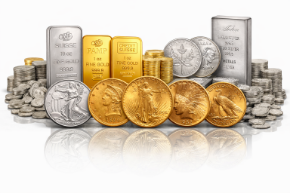
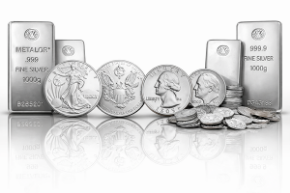
The solution is physical gold and silver. These are tangible assets that exist outside of the banking system. They cannot be printed, inflated, or manipulated in the same way. Gold and silver are the foundation of sound money strategies and protect your wealth during periods of economic collapse.
If you do not hold it, you do not own it. That is the simple truth.
Now is the time to protect your financial future. Discover how Zang Enterprises can help you implement sound money strategies with physical gold and silver. Learn how to preserve your wealth and prepare for economic collapse with tangible assets that hold real value. Take control before it is too late.

