
We Need to Talk About the Failure of the Dollar
The U.S. dollar is rapidly approaching failure. Bank closures, rising inflation, and a bursting debt bubble are not isolated events. They are symptoms of a system that is collapsing under the weight of its own design. These developments are not unexpected. They are part of a long, historical cycle.
Understanding this pattern is the key to protecting your financial future.
Recent Bank Failures Are a Red Flag
In just a few days, three banks shut down. While some may brush these off as isolated failures, they reveal much deeper systemic problems. For years, the Federal Reserve pushed easy money policies that fueled inflation. Now, to fix the problem they created, they are aggressively raising interest rates. This is popping the massive debt bubble they helped build.
These actions are not stabilizing the system. They are destabilizing it even further.
The Dollar Has Lost Almost All Its Value
The dollar may feel stable because it has been part of daily life for generations. But the Federal Reserve's own data shows that the dollar has lost 97 percent of its purchasing power since the central bank was created. What once had real value has been quietly devalued over time.
If your wages are not rising at the same pace as inflation, then your income is buying less and less. This decline in value is not accidental. It was deliberately built into the system.
The System Was Designed to Devalue Currency
The move away from a gold-backed currency began in 1913 and was finalized in 1971 when the U.S. officially ended the gold standard. This change gave governments the ability to tax citizens without legislation, simply by inflating the currency. Corporations also benefited by paying workers less in real terms while keeping nominal wages the same.
Inflation became a hidden tool of control. As economist John Maynard Keynes explained, very few people truly understand inflation. Most continue to trust in the legal tender they are given, hoping it will one day recover its value. But history shows it does not.
Interest Rates Have Become a Tool of Destruction
Interest rates used to be a reliable tool for managing economic cycles. Today, they are adding fuel to the fire. Instead of balancing inflation and growth, interest rate hikes are pushing the economy toward collapse.
At the same time, the FDIC has only slightly more than one penny in reserve for every dollar it insures. That means your bank deposits may not be as safe as you think.
Tangible Assets Preserve Real Value
The decline of the dollar is easy to understand when you compare what a dollar used to buy with what it buys today:
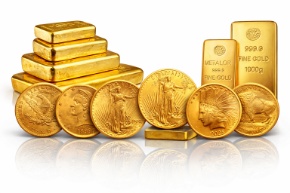
- A $1 gold coin, equal to 1/20th of an ounce, could once buy 11 loaves of bread. Today, that same coin buys approximately 135 loaves.
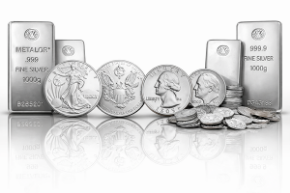
- A $1 silver coin still buys about 11 loaves of bread.
- A $1 paper bill now buys only a quarter of a loaf, or possibly even less.
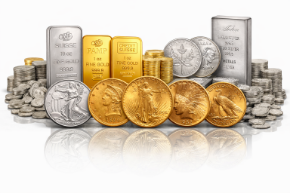
The difference is clear. Physical gold and silver retain value. Paper currency does not. This is why sound money strategies focus on acquiring tangible assets that protect purchasing power over time.
Do Your Own Research
Do not take this information at face value. Review the data for yourself. The Federal Reserve’s own charts and historical records are publicly available. You owe it to yourself to verify the facts and understand how the system actually works.
Real financial freedom begins with truth.
Take Control Before the Collapse
The failure of the dollar is not a future event. It is already in progress. Now is the time to act. Learn more about Zang Enterprises’ sound money strategies and discover how physical gold and silver can help you protect your wealth and prepare for what comes next.
The system may be failing, but you do not have to. Take steps now to secure your financial future with tangible assets that have stood the test of time.

