
Slowing GDP and Rising Prices: Warning Signs in the Economy
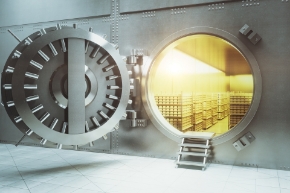
In a recent live discussion, Lynette Zang used a powerful analogy to describe the current state of the global economy. Imagine a massive dam holding back a rising reservoir. From a distance, the structure appears strong and stable. But when you move closer, small cracks become visible. Tiny fractures begin to form, and water slowly seeps through.
According to Lynette, that is exactly what is happening in the economy today.
GDP growth is slowing while the cost of living continues to rise. At the same time, income gains are failing to keep up with inflation. Even when officials say inflation is “declining,” they are typically referring only to the rate of increase. Prices themselves continue to climb, steadily eroding purchasing power.
This growing imbalance between income and expenses is one of the earliest cracks in the economic dam.
Consumer Confidence Is Declining
The pressure is not just visible in economic statistics. It is increasingly evident in the daily lives of ordinary Americans.
Recent data shows that 46 percent of Americans say high prices are eroding their finances. That figure has remained above the 40 percent level for seven consecutive months.
At the same time, economic sentiment has fallen sharply. Confidence levels are down roughly 13 percent from last year, signaling that people are increasingly uneasy about the financial future.
For Lynette Zang, this decline in confidence is significant.
When wages cannot keep up with the rising cost of living, people begin to lose faith in the financial system. And confidence is one of the most important pillars supporting any debt-based monetary structure.
Tariff Turmoil Adds Another Layer of Uncertainty
Economic pressure intensified when the U.S. Supreme Court struck down certain tariffs previously implemented by the Trump administration. While markets initially reacted positively to the ruling, Lynette emphasized that the decision did not resolve the underlying issue.
Instead, it introduced a new form of instability.
The Court left unanswered whether importers are entitled to refunds for previously collected tariffs. That question has been pushed to lower courts and could take years to resolve.
If refunds are eventually approved, the cost could exceed $170 billion, representing more than half of the tariff revenue collected so far.
Rather than bringing clarity, the ruling has created confusion for businesses, retailers, and consumers.
Tariffs Are Not Disappearing
Despite headlines suggesting tariffs were ending, Lynette explained that the reality is much more complicated.
There are seven separate legal mechanisms the U.S. president can use to impose tariffs. Even after the court ruling, the administration quickly shifted to another provision, introducing a new 15 percent global tariff under a different section of trade law.
In other words, tariffs did not disappear. They simply changed legal pathways.
This constant shifting creates uncertainty across supply chains and budgeting decisions. Businesses do not know what costs they will face in the future, and consumers ultimately bear the burden through higher prices.
According to Lynette, this kind of policy improvisation destabilizes the system rather than stabilizing it.
Global Tensions Are Adding Pressure
At the same time that economic stress is building, geopolitical tensions remain elevated.
Energy prices have already climbed to their highest levels in several months. If conflicts intensify or key shipping routes become disrupted, the impact could be immediate.
Higher transportation costs and energy prices would push inflation even higher.
This combination of economic fragility and geopolitical instability adds yet another crack to the already strained system.
Structural Failures Develop Slowly
Lynette emphasized that financial crises rarely occur suddenly. Instead, they develop gradually as pressure builds over time.
First come the small warning signs:
- Slowing GDP growth
- Income falling behind inflation
- Declining consumer confidence
- Policy uncertainty
- Rising geopolitical risks
Eventually those small cracks widen. And by the time the structural failure becomes obvious, it is often too late for many people to prepare.
This pattern was visible during the 2008 financial crisis, when systemic risks built quietly for years before the sudden collapse.
Intangible Markets Can Shift Instantly
Another vulnerability lies in the increasing dominance of intangible financial assets.
Much of today’s wealth exists in digital entries, derivatives, and paper markets. These markets can move dramatically in a very short period of time.
Recent volatility in global software stocks demonstrated how quickly sentiment can change.
Because these assets lack physical backing, liquidity can disappear rapidly during periods of stress. Investors may find themselves unable to exit positions when markets move sharply.
For Lynette Zang, this is why diversification into tangible assets is essential.
Why Gold and Silver Remain the Foundation of Sound Money
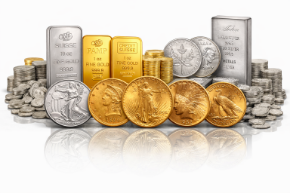
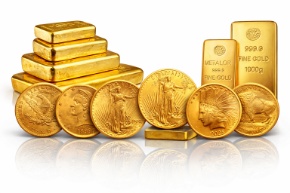
Throughout history, when financial systems experience structural failures, people consistently return to the same forms of money: physical gold and silver.
These assets have survived every monetary collapse and currency reset in recorded history.
Unlike paper assets, gold and silver possess intrinsic value. They do not depend on:
- Government policies
- Court rulings
- Political cycles
- Market confidence
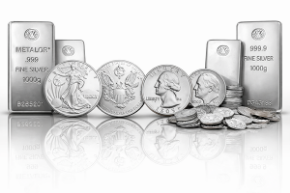
Gold acts as an anchor when confidence in financial systems begins to disappear. Silver often provides early signals of economic stress.
For thousands of years, both individuals and governments have turned to these tangible assets as the foundation of wealth preservation.
Building Resilience Before the Dam Breaks
Lynette Zang stresses that preparation should be driven by clarity, not fear.
When economic systems show signs of instability, the goal is to strengthen your personal financial foundation before the cracks widen.
A resilient strategy includes securing essentials such as:
- Food and water
- Energy resources
- Community support
- Personal security
- Tangible assets with intrinsic value
At the center of these preparations is a sound money strategy built around physical gold and silver.
The Bottom Line
The warning signs are becoming increasingly visible:
- Slowing GDP growth
- Inflation eroding purchasing power
- Declining confidence
- Legal uncertainty around tariffs
- Market volatility
- Rising geopolitical tension
These pressures are placing growing strain on the global financial system.
As Lynette Zang explains, when the dam eventually breaks, everything not firmly anchored can be swept away.
Prepare with Sound Money Strategies
Economic transitions and currency resets have happened many times throughout history. The individuals who preserve their wealth are those who prepare before the crisis becomes obvious.
Learning how to implement sound money strategies using physical gold and silver can help you protect purchasing power, strengthen financial resilience, and move closer to long-term financial freedom.
To learn more about how tangible assets can support your wealth preservation strategy, connect with the experts at Zang International and explore how physical gold and silver can help you prepare for the economic changes ahead.

