

The Illusion of Money: From Gold and Silver to Legal Counterfeiting
Gold and silver were once the foundation of our monetary system. Today’s paper dollars are merely a counterfeit version of real money. They hold value only because the public agrees to use them, work for them, and attempt to save them. As Lynette Zang warns, when confidence breaks, hyperinflation becomes unavoidable.
Zero-Reserve Banking and Unlimited Leverage
Under the current system, banks no longer need to hold any reserves. Depositors place a dollar in the bank, but that same dollar can be lent out repeatedly over and over without limit. In a zero-reserve environment, there is no cushion if a bank run occurs.
The City of London and other major financial centers take this leverage to another level. Through digital assets and complex financial engineering, banks can borrow and trade endlessly, stretching the value of each dollar until public confidence finally collapses.
Who Really Owns Your Assets?
Most investors believe they own the stocks, bonds, or ETFs in their brokerage accounts. In reality, large commercial banks control the Depository Trust Company (DTC), which is the legal registered owner of these assets. Individuals are merely “beneficial owners,” meaning they have access to dividends and proxy statements but no direct claim if the system fails.
This structure allows major banks and their subsidiaries to use client equity for their own benefit. If a crisis hits, the legal owners not account holders have priority.
The Derivatives Iceberg
Consider the derivatives market. Big banks like JPMorgan report astronomical notional values hundreds of trillions of dollars in contracts while holding only a fraction of that amount in deposits. If these bets unravel, insured or not, depositors will not recover their money. The FDIC insurance fund itself does not have enough capital to backstop such losses.
Deregulation and the Confidence Game
This system survives only as long as people believe in it. Deregulation allows banks to stretch leverage further while the Federal Reserve, which is neither federal nor holds reserves, creates money with the push of a button. If the public ever demands their assets back, the illusion collapses.
Signs of Hyperinflation
Hyperinflation is not a sudden event it begins quietly as purchasing power erodes. Grocery prices and everyday goods reveal the truth. A loaf of bread that cost 11 cents in 1913 costs dollars today, not because bread is more valuable but because the dollar is worth less. Shrinkflation smaller packages for the same price masks the decline.
Lynette believes we are already in the early stages of hyperinflation. The debt market, the largest financial market in the world, is heavily manipulated to hide risk. Netting and accounting tricks obscure the true exposure.
The End of the Currency Life Cycle
Like people, currencies age. They begin strong, with high purchasing power, but corruption and overprinting lead to decline. The Federal Reserve, now posting losses despite its ability to create money, signals we are at the end of this cycle.
History shows that when money is tied to gold, inflation slows dramatically. Before the Federal Reserve was established in 1913, a dollar was backed by a 20th of an ounce of gold. After the Fed’s creation, printing accelerated, purchasing power dropped, and inflation became permanent.
Protecting Wealth with Sound Money Strategies
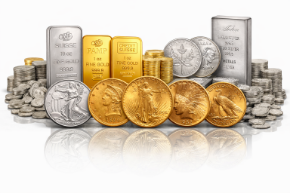
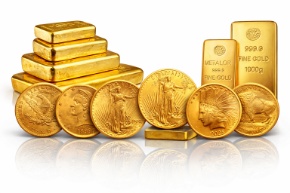
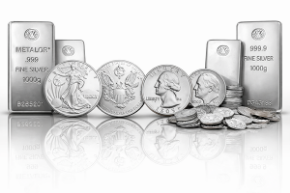
This system of limitless leverage and digital control underscores the importance of tangible assets. Physical gold and silver remain real money, immune to the risks of banking derivatives, central bank manipulation, and digital confiscation.
By holding physical gold and silver, you preserve wealth outside the banking system, preparing for economic collapse and hyperinflation.

