

Texas Launches a Sovereign Bullion Supply Chain
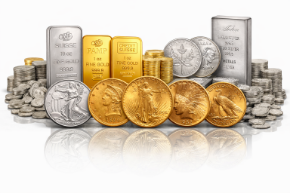
Texas has officially become the first U.S. state with a full sovereign bullion supply chain. This is significant.
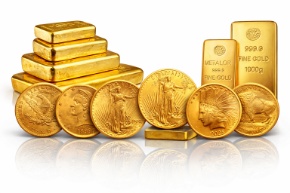
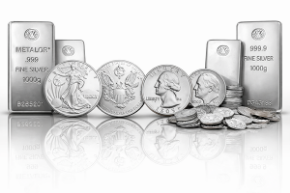
The state moved beyond simply storing precious metals. Texas now manufactures, distributes, and vaults state-branded gold and silver through a state-run system. Citizens can purchase gold and silver directly from a government storefront and store it in the Texas Bullion Depository.
This bypasses commercial banks. It also creates a state-level alternative to federal monetary rails.
That matters.
At a time when liquidity risks are rising and confidence in traditional financial structures is weakening, Texas has positioned physical gold and silver within a sovereign framework. But while that is positive news, it leads directly into a much larger issue: liquidity.
What Liquidity Really Means and Why It Is an Illusion
Liquidity is the ability to buy and sell something easily without moving the price too much.
But today, much of what appears liquid is not.
Lynette Zang outlines a liquidity pyramid to show where the real risks sit. At the very top of that pyramid are derivatives. These are leveraged contracts tied to underlying assets, and they represent what she believes is the greatest threat to the financial system.
According to global reports, there are approximately $714 trillion in notional derivative contracts outstanding. But that figure reflects netted values, meaning accounting offsets are applied to make exposures appear smaller.
With a reported netting benefit of 88.4 percent, Lynette estimates that the true gross exposure could reach into the quadrillions of dollars, potentially around $616 quadrillion in contract values. Even that does not reflect the true value at risk if counterparties fail.
Derivatives were originally designed for practical use. For example:
- A farmer selling futures to guarantee income before harvest
- A business hedging against price fluctuations
That is legitimate risk management.
What dominates the system today, however, is speculative derivative activity. These are leveraged bets layered on top of debt and credit, often with little connection to real production.
And you cannot convert a derivative into the underlying physical asset. It is a contract, not the thing itself.
The Debt-Based Structure Beneath the Surface
Moving down the liquidity pyramid, we see:
- Digital assets
- Private business valuations
- Commercial real estate
- Securitized debt
- Stocks
Digital assets alone are valued around $1.25 trillion and growing.
Securitized debt is especially important. This is when debt obligations such as mortgages, credit card balances, or loans are bundled into products and sold as assets. One person’s liability becomes another person’s asset.
It all rests on debt.
When headlines warn that federal debt is projected to approach crisis levels, Lynette’s position is direct: it is already there.
The debt bubble has already popped.
All of these intangible fiat-based assets can only be converted back into currency. And currency itself has been heavily inflated through years of money printing.
After 15 years of zero interest rate policies, many of these positions are deeply underwater.
The Currency Illusion
At the base of the pyramid is physical currency. In the United States, that amounts to roughly $2.3 trillion in paper notes.
But holding a large denomination note does not mean holding purchasing power.
A million bolivar note in Venezuela buys virtually nothing. And the purchasing power of the $100 bill continues to erode under persistent inflation.
The entire structure of derivatives, securitized debt, and financial assets ultimately rests on this relatively small base of physical currency.
Beneath that sits something even more limited.
The True Foundation: Physical Gold and Silver
Underneath the entire financial pyramid lies a finite quantity of physical gold and silver.
This is the real equity in the system.
When Lynette speaks about the true fundamental value of physical gold and silver during an implosion, she emphasizes that current spot prices do not reflect that reality. Volatility in markets is not about gold or silver rising or falling. It reflects instability in the financial bridge itself.
As that bridge sways, markets react.
But gold and silver are not someone else’s liability. They are tangible assets. They do not depend on debt repayment or derivative counterparties.
That is the distinction between currency and sound money strategies.
- Currency can be created in unlimited quantities.
- Physical gold and silver are finite.
The easier and cheaper it is to create fiat money, the less purchasing power it holds.
Wall Street’s Casino and the Illusion of Wealth
Historically, wealth was built through:
- Hard work
- Production
- Creating value
But over time, Wall Street has increasingly resembled a casino.
Inflation, credit expansion, policy manipulation, and easy money have created financial bubbles that make speculation appear easier than productive work. Rising markets give the illusion that wealth is effortlessly created.
But bubbles eventually burst.
The volatility we are witnessing is not about temporary price swings. It reflects structural instability inside a debt-saturated system.
People often believe this time is different. History suggests otherwise.
The Hidden Danger You Cannot See
The greatest risks are not the ones reported daily on financial news.
The most dangerous threats are hidden inside complex derivative contracts and interconnected obligations that few truly understand.
When liquidity disappears, it happens fast.
Assets that appear liquid can become impossible to sell without severe price declines. Counterparties can fail. Credit can freeze.
And in that moment, only tangible assets remain outside the web of debt-based promises.
Preparing for What Comes Next
This is not about fear. It is about preparation.
Economic collapse preparation begins with recognizing the difference between:
- Fiat currency and real money
- Speculation and value
- Debt instruments and tangible assets
Physical gold and silver are foundational to wealth preservation. They are outside the derivative structure. They are not dependent on someone else’s promise to pay.
As Lynette Zang emphasizes, take off the rose-colored glasses. Recognize that much of today’s financial system is designed to trap wealth inside a highly leveraged framework.
Financial freedom comes from stepping outside that trap.
Take Action Now
If you are serious about protecting your purchasing power and implementing sound money strategies, now is the time to act.
Learn how physical gold and silver can help you build a foundation for wealth preservation and economic collapse preparation.
Connect with Zang International today to discover how to position your portfolio with tangible assets that stand outside the fragile liquidity pyramid.

