

The Debt Spiral Has Arrived and It Is Accelerating
For years, Americans were told that debts and deficits did not matter. But as Lynette Zang explains in this urgent breakdown, the markets are now sending a very different message. Debts and deficits do matter, and the consequences are becoming impossible to ignore.
Whether you are a household, a corporation, or a government, the laws of economics apply. The difference is that governments can create money out of thin air. That illusion of limitless spending is what got us here. In 2025, the U.S. government plans to spend $7 trillion, while only bringing in $5.1 trillion in revenue. That is nearly a $2 trillion shortfall, or 27 percent more spending than income.
Imagine earning $100 but spending $127. You borrow the extra $27, and next year you do it again. That is how debt compounds. And that is the unsustainable path the U.S. is on right now.
The True Cost of Compounding Interest
Compounding interest is the silent destroyer of financial systems. When governments continually borrow to cover deficits, they not only owe the principal but also the growing interest. Each year that debt is rolled over, the new interest gets added to the old debt. This creates a vicious cycle.
Under the gold standard, fiscal discipline was required. In 1969, the U.S. had a budget surplus of $3.2 billion. But once gold was removed from the equation in 1971, accountability disappeared. Deficits exploded. By 2009, the U.S. faced a $1 trillion deficit. Yet the national debt was already at $13 trillion. Why? Because of compounding interest.
Today, the trend continues. In 2024, the deficit was $1.8 trillion. That figure is not improving. Lynette Zang points out that even if there is a temporary reduction, the broader pattern is clear. Spending continues to outpace income, and the deficits are structurally worsening.
Debt Is Skyrocketing and Interest Rates Are Rising
Back in 1971, total U.S. debt was under $400 billion. By 2008, it had grown to $9.4 trillion. As of 2025, it is over $37 trillion and still climbing. The more alarming issue is how quickly it has grown. It took 38 years to accumulate $9 trillion in debt, but only 17 years to add another $26 trillion.
Meanwhile, interest rates are also climbing. After years of near-zero rates designed to encourage borrowing, the Federal Reserve has been forced to raise rates rapidly since 2022. This is triggering a structural shift in the bond market that signals deeper instability. The U.S. government now faces much higher interest payments on that growing mountain of debt.
Zang compares this to buying a house. When rates are low, you can afford more house. When rates go up, even a modest loan becomes a burden. Today’s government is facing the same dilemma, but on a scale of trillions.
A Broken System With No Plan to Pay the Debt
The government’s plan is not to repay the debt. Instead, the strategy is to inflate the currency so that the debt can be repaid with dollars that are worth less. This is why Zang believes we are on the road to hyperinflation. The system requires ever-increasing spending, and that spending is now funded almost entirely by borrowed money.
The real danger is that interest on the debt will soon consume all available federal funds. This means less money for everything else. When interest payments crowd out other spending, the entire system begins to collapse.
The Structural Shift Has Already Happened
In 2022, the Federal Reserve broke a 44-year trend by aggressively raising interest rates. This was a critical moment. Since 2008, rates had been kept at or near zero. That allowed governments and corporations to roll over debt at little cost. But they did not use the opportunity to pay down debt. Instead, they borrowed more.
Now, the cost of borrowing has surged, and there is no way to escape it. Zang emphasizes that this structural shift in interest rates marks a turning point. The debt-based system is beginning to unravel.
There Is No Flight to Safety Anymore
Traditionally, U.S. Treasuries were considered the safest asset in times of crisis. Not anymore. Investors are no longer flocking to Treasuries during global turmoil. The foundation of the financial system is eroding, and trust in the dollar is fading.
A recent example is telling. When the S&P fell nearly 20 percent, the dollar fell with it. That should not happen if the dollar were still considered a true safe haven. Markets are acting in ways that defy historical norms. That is a sign of structural breakdown.
Physical Gold and Silver: Real Money, No Counterparty Risk
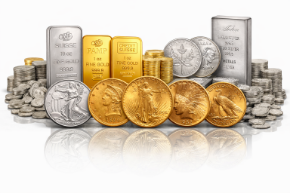
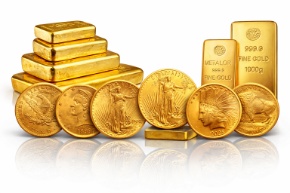
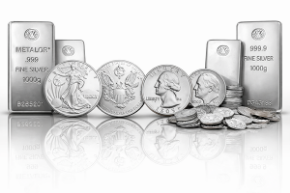
Lynette Zang urges people not to wait. The system is fragile, and the collapse will come fast. There will be no warning before the bottom falls out. That is why she recommends implementing a sound money strategy built on physical gold and silver.
Gold, according to the Bank for International Settlements, is the only financial asset that carries zero counterparty risk. It is not a promise. It is money. Physical gold and silver preserve purchasing power in a way fiat currency cannot.
Zang highlights that the FDIC’s deposit insurance fund only covers about 1.3 percent of insured deposits. That means your money in the bank may not be as safe as you think, especially in a crisis.
Act Now or Risk Everything
Jeffrey Gundlach, a respected Wall Street titan, has warned that the U.S. fiscal path is untenable and may lead to a crisis worse than 2008. Zang agrees, and the evidence backs her up.
The financial system is behaving in abnormal ways. Bonds are no longer safe. The dollar is no longer trusted. And the debt is no longer manageable. The only way to protect yourself is to take action now.
Secure your financial future with Zang Enterprises' sound money strategies. Schedule your consultation today and learn how to protect your wealth with physical gold and silver. The window to act is closing fast. Do not wait for the collapse. Prepare now.

